
Companion Plants
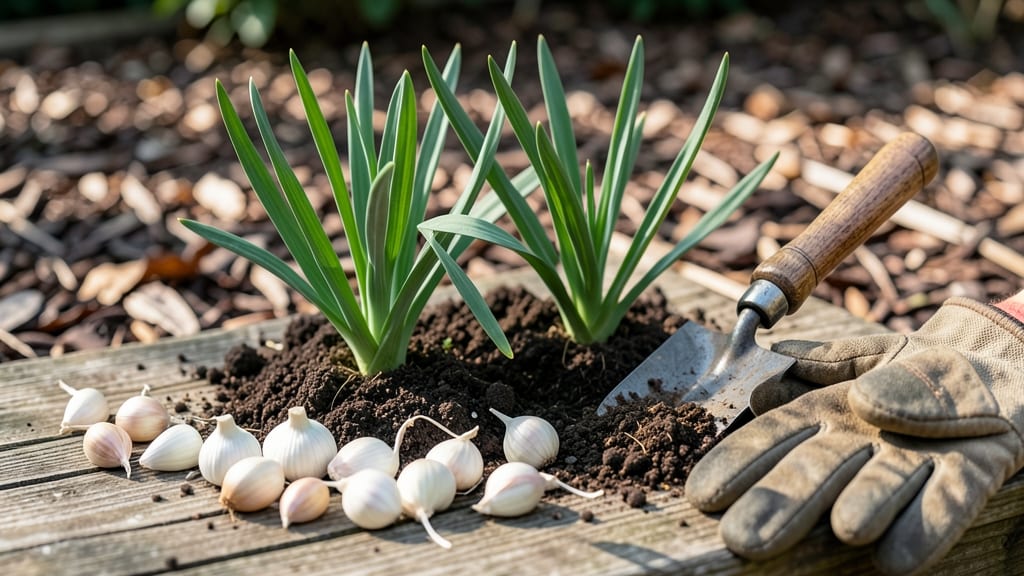
If you’ve ever planted garlic 🧄 in Northeast PA only to watch it bolt prematurely or flop in poor soil, timing is the secret weapon you’ve been missing.
The key to zero-bolt, high-yield harvests lies in understanding your microclimate—whether you’re in the chilly Pocono Mountains or the slightly milder Pittsburgh suburbs.
Fall planting between October and November gives garlic roots time to establish before winter, but getting the window wrong can mean wasted effort. I’ll show you exactly when to plant for your specific zone, plus how to prep your soil to avoid common pitfalls like rot or stunted growth.
Hardneck vs. softneck varieties? Local frost dates? We’ll break it all down so you can confidently plant garlic that thrives in Northeast PA’s 5b-6b climate. No more guesswork—just reliable, bolt-free garlic year after year.
Ready to transform your garden? Let’s dive into the exact steps that’ll have you harvesting plump bulbs by late June or July. Your future meals—and your patience—will thank you.
Northeast PA garlic planting zones & microclimate timing guide
Northeast Pennsylvania's USDA Zones 5b-6b create a unique challenge for garlic growers. The region's variable frost dates and microclimates—from the Pocono Mountains to Pittsburgh suburbs—mean your planting window can shift by weeks.
Hardneck varieties like 'German White' thrive in our cold winters, while softnecks such as 'Silverskin' prefer milder conditions. Getting the timing right prevents bolting and ensures plump bulbs.
Fall planting is critical in Northeast PA. Aim for 4-6 weeks before ground freezes, typically mid-October to early November. Soil temperatures should be 40-50°F at planting depth. In the Poconos, where winters are harsher, plant earlier (late September).
Near Pittsburgh, where mild winters are common, extend planting to early November. This timing difference can mean the difference between zero-bolt garlic and wasted cloves.
Here’s how microclimates affect your garlic timing in Northeast PA:
| Region | USDA Zone | Optimal Planting Window | Key Microclimate Factor | Best Variety |
|---|---|---|---|---|
| Pocono Mountains | 5b | Late September - Mid-October | Early frost, colder winters | Hardneck ('German White') |
| Pittsburgh Suburbs | 6b | Early October - Early November | Milder winters, later frost | Softneck ('Silverskin') |
| Erie Lakefront | 6a | Mid-October - Mid-November | Lake-effect moderates temps | Hardneck ('Music') |
Hardneck varieties like 'German White' and 'Music' are ideal for Northeast PA because they require cold vernalization to form bulbs. Plant them in late September to early October in colder zones (5b) to ensure they experience 40-60 days below 40°F.
Softnecks, such as 'Silverskin', can handle milder winters but still need 6-8 weeks of cool soil before winter sets in.
Soil temperature is your best indicator for planting. Use a soil thermometer to confirm temps are 40-50°F at 4" depth. In Zone 5b, this usually happens by mid-October. In Zone 6b, you might have until early November.
If you plant too early, garlic may sprout before winter and bolt prematurely. Too late, and it won’t develop properly.
Mulching plays a critical role in Northeast PA’s garlic success. Apply 4-6 inches of straw or leaves after planting to insulate bulbs from freeze-thaw cycles. In the Poconos, this protects against harsh winters.
Near Pittsburgh, mulch helps regulate soil temps during unpredictable thaws. Remove mulch in early spring to prevent rot and encourage growth.
Spring planting is riskier in Northeast PA but can work for softneck varieties if you plant in March when soil temps reach 50°F. However, this method often yields smaller bulbs and higher bolting rates.
For zero-bolt garlic, stick to fall planting and adjust your timing based on your local microclimate.
Watch for early signs of bolting, like flower stalks emerging in late winter. This usually means you planted too early or in warmer microclimates. If you notice bolting, cut the scape (flower stalk) to redirect energy to bulb development.
In Northeast PA, hardneck varieties are more forgiving if bolting occurs, as their cloves mature even with scapes.
For consistent success, test your soil’s pH (6.0-7.0) and add compost or aged manure before planting. Northeast PA’s clay-heavy soils benefit from organic matter to improve drainage. Plant 2 inches deep, with 4-6 inches between cloves, and space rows 12 inches apart for airflow and bulb development.
Harvest your garlic when lower leaves turn brown but upper leaves stay green, typically in
Step-by-step moon phase & soil prep calendar for NE PA garlic
Northeast PA’s clay-heavy soils and unpredictable winters demand a precise planting strategy. The key to zero-bolt garlic lies in aligning your moon phases with soil temperature thresholds (40-50°F) and local frost patterns. Unlike many crops, garlic thrives when planted in fall—but timing is everything.
Local gardeners swear by planting during the waning moon in October or November, when soil temps hover around 50°F. This timing ensures roots establish before winter dormancy. For NE PA’s USDA zones 5b-6b, aim to plant 4-6 weeks before ground freeze (typically mid-November).
- Step 1 Test soil pH (6.0-7.0 ideal) and amend with compost or aged manure to break up clay. Northeast PA’s heavy soils need 30% organic matter for proper drainage.
- Step 2 Choose moon phase: Plant during the waning moon (after full moon) for root crops. Check lunar calendars—NE PA’s best windows are October 15-31 or November 1-15.
- Step 3 Plant cloves 2" deep, 4" apart, with 6" between rows. Use hardneck varieties (like Music or German White) for NE PA’s climate—they handle winters better.
- Step 4 Mulch heavily with straw or leaves (4-6" thick) to insulate roots. In NE PA’s zone 5b, this prevents freeze-thaw cycles that damage cloves.
- Step 5 Monitor soil temps—garlic needs 40-50°F to establish. If temps drop below 32°F, add extra mulch or use row covers until spring.
- Step 6 Remove mulch in early spring (March) to prevent rot. Water deeply but infrequently—NE PA’s clay holds moisture, so 1" per week is plenty.
For extended harvest windows, consider spring planting (March) if you miss fall. However, spring-planted garlic often bolts earlier—so prioritize fall for best results. Hardneck varieties (like Chesnok Red) are ideal for NE PA’s climate, as they handle cold winters better than softnecks.
Pro tip: Use a soil thermometer to confirm temps. If soil stays above 50°F past November 15, wait until December 1-15—just don’t plant after January 15, or you’ll risk bolting. Mulch is your best friend in NE PA’s freeze-thaw cycles—it’s the secret to zero-bolt garlic every year.
🌱