
Plants
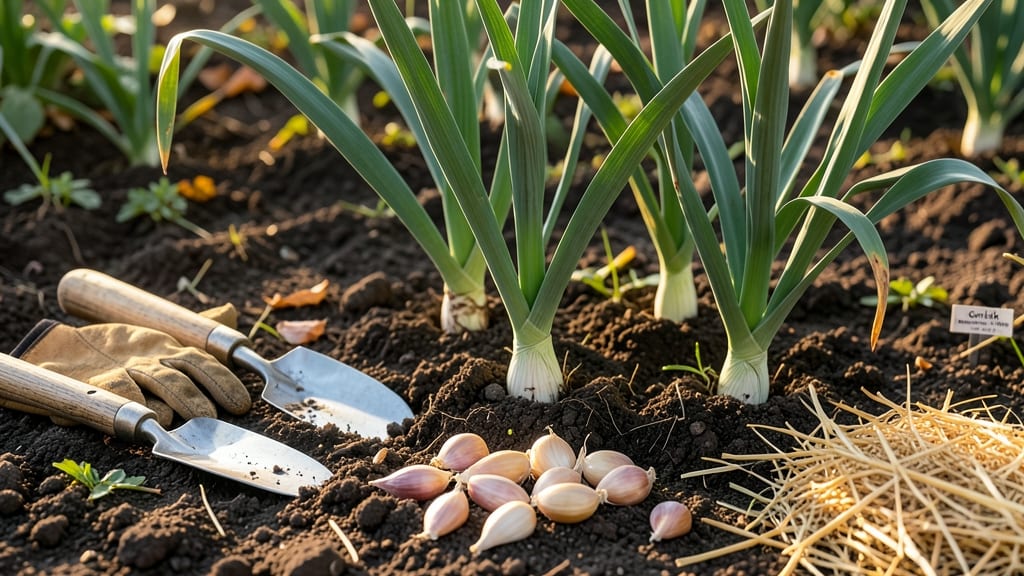
Planting garlic in Zone 5a at the wrong time can turn your hardneck harvest dreams into a flop—unless you know the exact window for success. The secret lies in timing it just right, when soil temperatures drop but before the ground freezes solid.
This fall planting strategy ensures your 🧄 cloves develop strong roots before winter dormancy kicks in, setting the stage for plump bulbs next summer.
Most gardeners in Zone 5a get it wrong by planting too early or too late, both of which can lead to weak growth or complete failure. The ideal window opens in late October and closes by mid-November, giving your garlic enough time to establish roots before the soil freezes.
But don’t stress if you miss this—we’ll cover how to adjust for early or late winters too.
Why does timing matter so much? Garlic needs a period of cold to form bulbs, but too much frost can damage emerging shoots in spring. In Zone 5a, where winters are unpredictable, getting this balance right is the key to a bountiful harvest.
I’ll walk you through the exact steps to prepare your soil and plant for maximum yield, so you can avoid common mistakes that kill garlic harvests.
Ready to grow your best garlic yet? Let’s dive into the science-backed timing, soil prep secrets, and spacing tips that will transform your garden into a hardneck garlic powerhouse.
Whether you’re a beginner or a seasoned grower, these insights will help you discover the difference between a good harvest and an exceptional one.
Optimal planting months for hardneck garlic in Zone 5a
Timing is everything when planting hardneck garlic in Zone 5a. Unlike spring planting, fall is the golden window for maximizing bulb size and flavor. The key is planting 4-6 weeks before the ground freezes, typically between mid-October and early November in this zone.
This timing allows garlic cloves to establish roots before winter dormancy. The soil temperature should be consistently below 40°F (4°C) but not yet frozen. In Zone 5a, this usually aligns with late October to early November, depending on your last frost date.
For reliable results, avoid planting too early (September) or too late (December). Early planting may cause premature sprouting, while late planting risks incomplete root growth before winter. Your goal is to give garlic enough time to root but not enough to shoot above ground before winter.
🌱 Did You Know?
If you're unsure about your exact last frost date, check your local USDA climate data or use a frost calendar for Zone 5a. For example, in Chicago, the average last frost is November 15, while in Portland, Maine, it's October 25. Adjust your planting date accordingly.
The soil temperature is more critical than air temperature. Use a soil thermometer to confirm it's below 50°F (10°C) before planting. This ensures garlic enters dormancy properly without sprouting too early.
For early winters, consider planting in early October to avoid missed windows. Conversely, if your winter is exceptionally mild, you might push planting to mid-November. Always prioritize root establishment over above-ground growth before winter.
Another pro tip: Plant hardneck varieties like 'Music' or 'German White' for best results in Zone 5a. These varieties handle cold winters better than softneck garlic, which is better suited for milder climates.
Remember, garlic planted in fall will produce larger bulbs than spring-planted garlic. The overwintering period is crucial for developing the plump cloves you'll harvest next summer.
Once you've nailed the planting window, focus on soil preparation and proper spacing to ensure your garlic thrives through winter and delivers a bountiful summer harvest.
Optimal planting months for hardneck garlic in Zone 5a
In Zone 5a, timing your garlic planting is all about capturing that sweet spot between warm soil and winter freeze. The ideal window is late October through mid-November, when soil temperatures drop to 40-50°F but haven’t yet frozen solid.
This cold period triggers bulb formation while allowing roots to establish before dormancy sets in.
Why this timing? Garlic needs 60-90 days of cold (below 40°F) to form bulbs properly. Planting too early (like September) risks premature sprouting and weak roots, while planting too late (December+) may leave cloves vulnerable to frost before they root.
Zone 5a’s average first frost date is mid-October, so aim to plant 4-6 weeks before the ground freezes.
Here’s how to adjust for early/late winters: If your area has early freezes, plant by October 15th. For late winters, extend planting until November 15th, but avoid planting after the first hard frost.
Pro tip: Use a soil thermometer to confirm temperatures are below 50°F before planting.
🌱 Zone 5a Garlic Planting Timeline
| Stage | Action | Soil Temp | Notes |
|---|---|---|---|
| Prep Soil | Add compost, test pH (6.0-7.0) | Warm (60°F+) | Do this in September |
| Plant Cloves | 2" deep, pointy end up | 40-50°F | Oct-Nov window |
| Winter Dormancy | Cover with mulch (4-6") | Below 32°F | Protect from heaving |
| Spring Growth | Remove mulch, fertilize lightly | 40°F+ | Avoid nitrogen-heavy fertilizer |
| Harvest Ready | Lower leaves brown/dry | 70°F+ | July-August timing |
Hardneck varieties like ‘Music’ or ‘German Red’ thrive in Zone 5a’s climate because they require cold vernalization to form bulbs. If you miss the fall window, you can try spring planting (March-April), but yields will be 30-50% smaller since the cold period is skipped.
For best results, stick to fall and let winter do the work for you.
One common misconception is that garlic can handle any fall planting. But in Zone 5a, planting in September risks early sprouting, while December planting may leave cloves exposed to freeze-thaw cycles that damage roots. The 4-6 week buffer before freeze is non-negotiable for hardneck success.
Pro tip: Mark your calendar for October 15th as your last safe planting date in most of Zone 5a. If you’re unsure about your local frost dates, check the USDA Plant Hardiness Zone Map or ask your local cooperative extension office for precise timing tailored to your microclimate.