
Plants
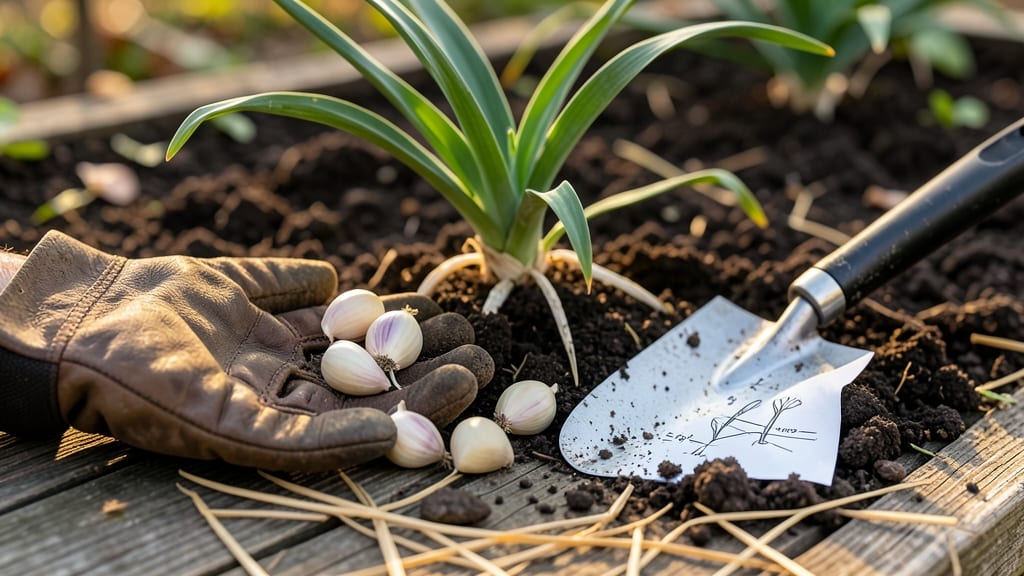
Planting garlic in Zone 6 at the right time can transform your garden from a modest plot to a flavorful powerhouse—so let’s nail that fall window before the first frost locks the soil.
Most gardeners in Zone 6a-6b know the struggle: plant too early, and your cloves rot; too late, and they never take root. The secret lies in timing it perfectly between October and November, when soil temps drop but haven’t frozen yet.
This 4-6 week window before the ground freezes is your golden opportunity for plump, robust bulbs by next summer.
But why does this matter? Because garlic thrives in cold weather, using winter’s chill to build flavor and size. Skip the fall planting rush, and you’ll miss out on those bold, hardneck varieties that Zone 6 gardeners love—plus, spring-planted garlic often underperforms.
Let’s break down exactly how to time it right, from soil prep to frostproofing your crop.
Whether you’re a first-time grower or a seasoned gardener, these proven tips will help you avoid common mistakes and maximize your harvest. Ready to turn your garden into a garlic goldmine? Let’s get started.
Ideal fall planting window for garlic in Zone 6
Timing your garlic planting in Zone 6 is all about catching that sweet spot between warm soil and freezing temperatures. The 4-6 week window before the ground freezes—typically October 1 to November 15—gives your cloves just enough time to establish roots before winter dormancy.
This period ensures your garlic develops strong bulbs come harvest season, rather than struggling through a half-finished growing cycle.
Why does this window matter so much? Garlic needs cool soil temperatures (between 40°F and 50°F) to form bulbs properly. Plant too early, and your cloves may sprout and grow foliage without bulb development.
Plant too late, and the ground freezes before roots can anchor, leaving you with weak or no harvest. Zone 6’s first hard frost usually arrives in mid-October, so aim to plant at least 4 weeks before that date.
Soil temperature is the secret sauce here. When cloves are planted in warm soil (60°F+), they’ll sprout immediately, but bulb formation stalls until temperatures drop. By planting in cooling soil, you trigger the perfect conditions for bulb development as winter approaches. Think of it like setting a timer: the garlic “knows” when to shift from leaf growth to bulb growth based on temperature cues.
If you’re still unsure about your local frost date, use the USDA Plant Hardiness Zone Map to pinpoint your exact sub-zone (6a or 6b).
Zone 6a tends to freeze slightly earlier than 6b, so adjust your planting date by 1-2 weeks later if you’re in 6a. For example, if your first frost is November 1, plant by October 15 to give roots time to establish before winter sets in.
Pro tip: Check soil temperatures with a soil thermometer (available for under $10). Aim to plant when soil temps are consistently between 50°F and 60°F at a depth of 4 inches. If your soil is still warm, wait a few days—patience here pays off with larger bulbs.
I’ve learned this the hard way by planting too early and ending up with small, weak garlic that lacked the bold flavor I crave.
Another critical factor is day length. Garlic responds to shorter days in fall, which signals it to shift from leaf growth to bulb development. By planting in October, you’re aligning with this natural rhythm.
If you miss this window, you can try spring planting, but expect smaller, less flavorful bulbs—spring garlic is great for fresh use but won’t store well like fall-planted garlic.
Don’t overlook the role of mulching in extending your planting window. A thick layer of straw or leaves (4-6 inches) insulates the soil, protecting cloves from early frosts and keeping roots warm. This can push your planting deadline back by 1-2 weeks, giving you more flexibility.
Just be sure to remove mulch in early spring to prevent rot and allow soil to warm for growth.
For those in Zone 6b, you might even squeeze in a late planting by early December if your soil hasn’t frozen yet. However, this is risky—your garlic may not have enough time to establish before winter.
When in doubt, err on the side of planting too early rather than too late. A well-timed fall planting in Zone 6 rewards you with plump, flavorful bulbs that rival store-bought garlic—and then some.
Remember, garlic is a perennial crop in mild climates, but in Zone 6, it behaves like an annual because of cold winters. That means every fall planting is your chance to start fresh.
With the right timing, you’ll harvest bold, robust garlic that’s perfect for cooking, braiding, or storing for next year’s meals. 🧄
How to prepare your soil for maximum garlic growth
Garlic thrives when planted in rich, well-draining soil with the right balance of nutrients. In Zone 6, your soil prep should focus on creating an environment that mimics the loose, fertile conditions garlic craves.
Start by testing your soil pH—aim for a slightly acidic to neutral range of 6.0 to 7.0, which garlic loves for nutrient uptake.
Before planting, remove any weeds or debris from your garden bed. Garlic hates competition, so clear a space at least 12 inches wide between rows. Work in 2 to 3 inches of compost or well-rotted manure to boost organic matter, which improves both drainage and moisture retention.
This step is critical for preventing rot while keeping roots hydrated.
⚠️ Zone 6 Soil Prep Mistake: Planting in Cold, Wet Soil
Garlic cloves planted in chilled, waterlogged soil (below 50°F) risk rot and poor root development. Wait until soil temps drop to 40-50°F but aren't frozen—typically October 1–November 15 in Zone 6. Test with a soil thermometer or dig a 6-inch hole to check moisture and temperature.
Fix: Warm soil with black plastic mulch for 1–2 weeks if needed, but avoid planting if frost is forecast within 2 weeks.
Garlic also benefits from amended drainage. If your soil is heavy clay, mix in sand or perlite to create air pockets. A simple test: Grab a handful of moist soil—if it forms a tight ball that doesn’t crumble, add organic matter like peat moss to loosen it.
Aim for soil that feels like a crumbling sponge when squeezed.
Consider companion planting to naturally boost garlic growth. Pair it with beans, lettuce, or cabbage, which improve soil nitrogen without competing for space. Avoid planting near alliums (onions, leeks) or beans, as they can stunt garlic’s flavor development. A 3-foot buffer from these plants ensures optimal growth.
Finally, mulch your garlic bed with straw or shredded leaves after planting. This insulates roots from freeze-thaw cycles in Zone 6 winters while suppressing weeds. Remove mulch in early spring to allow soil to warm and encourage sprouting. This simple step can double your yield by protecting young plants.
With these soil prep steps, your garlic will establish strong roots before winter, setting the stage for plump, flavorful bulbs next summer. The key is patience—garlic grows slowly, but the effort pays off in bold harvests. 🌱