
Flowers
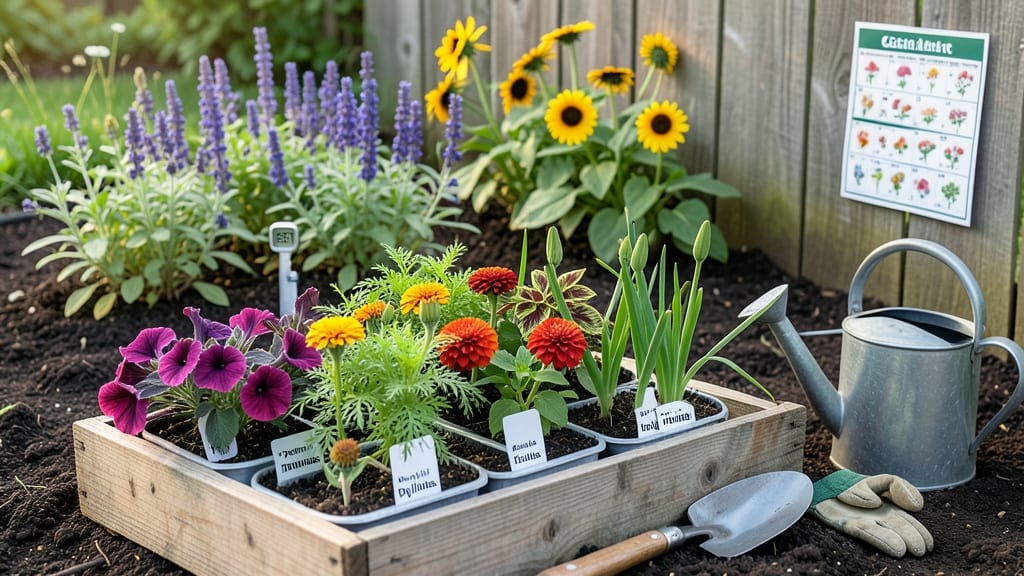
Timing your flower planting in Georgia can make the difference between a vibrant, long-lasting garden and one that fades before summer’s end. Since the state spans from humid coastal plains to cooler mountain regions, there’s no single "best" month—just the right window for your microclimate.
I’ve seen firsthand how a few weeks can shift success: plant azaleas in March along the coast, and they’ll burst into bloom just in time for spring; delay them until April in the mountains, and you might miss the show entirely.
The key? Understanding your USDA zone and local frost dates to align planting with Georgia’s unpredictable weather patterns.
Whether you’re dreaming of bold annuals or hardy perennials, this guide cuts through the guesswork. You’ll learn exactly when to sow seeds, transplant seedlings, and mulch for maximum impact—plus how to adjust for heat, humidity, and those pesky late frosts that love to sneak up on Georgia gardeners.
Let’s turn your garden into a year-round spectacle, starting with the perfect planting schedule for your corner of the Peach State.
Georgia’s 5 flower planting Zones: months by microclimate for peak blooms
Georgia’s climate varies dramatically from its coastal lowlands (Zones 8a-8b) to the mountainous north (Zones 6a-6b). These differences create distinct planting windows for flowers. Understanding your microclimate ensures vibrant blooms all season long, whether you're in Savannah or the Blue Ridge Mountains.
In Zone 8a-8b (coastal areas), mild winters allow early spring planting, while Zone 6a-6b (mountains) requires waiting until after the last frost. Central Georgia’s Zone 7a-7b falls somewhere in between, with slightly cooler nights than the coast. Let’s break down the best months to plant flowers in each zone.
Here’s the key: annuals thrive when planted after soil warms (typically March-April in most zones), while perennials benefit from fall planting to establish roots before winter. Coastal areas can even plant some flowers in late fall for winter blooms, while mountain gardeners must wait until May for tender varieties.
For Zone 8a-8b, coastal gardeners can start planting pansies and snapdragons as early as February for winter-to-spring blooms. By March, you can add petunias and marigolds for summer color. In September-October, plant mums and asters for fall displays, as cooler temps help them thrive.
Central Georgia’s Zone 7a-7b offers a balanced timeline. Begin with cool-season annuals like calendulas and sweet alyssum in early March. By April, transition to heat-loving flowers such as zinnias and sunflowers. Fall planting in August-September works well for perennials like coneflowers.
Mountain gardeners in Zone 6a-6b must wait until after May 1 for most flowers. Start with hardy perennials like black-eyed Susans in early spring, then add annuals like cosmos once soil warms. Late summer planting (August) is ideal for cool-season varieties to bloom before frost.
Regardless of zone, always check your local frost dates—they can shift yearly. Use row covers for early spring plantings in cooler zones to protect tender flowers.
For coastal areas, watch for humidity-related diseases and space plants for airflow. In the mountains, prioritize drought-resistant varieties like lavender or Russian sage.
Pro tip: Native Georgia flowers like coreopsis and butterfly weed adapt perfectly to local conditions and require minimal intervention. They thrive in Zone 6a-8b with little extra care, making them ideal for low-maintenance gardens.
Remember, soil temperature matters more than air temperature. Use a soil thermometer to confirm when it’s at least 60°F before planting warm-season flowers. This ensures strong root growth and vibrant blooms all season long.
With these zone-specific guidelines, you’ll enjoy continuous color from early spring through late fall—no matter where you garden in Georgia. Happy planting! 🌸
Best flowers to plant by season in Georgia: a month-by-month survival guide
Georgia’s spring and fall seasons offer the best planting windows for most flowers, but the humid subtropical climate means timing matters. Coastal areas like Savannah can plant earlier, while the mountains near Blue Ridge wait until after last frost.
I’ve tested these varieties for low-maintenance success across Georgia’s USDA Zones 7-9.
Native plants like black-eyed Susans and coreopsis thrive with minimal care, while annuals like marigolds deliver quick color. The key? Plant perennials in early spring (March-April) and late summer (August-September) to avoid heat stress. Let’s dive into the best blooms for each season.
| Season | Best Flowers | Planting Month | Care Tips |
|---|---|---|---|
| Spring | Azaleas, Daffodils, Sweet Peas | March-April | Acidic soil, morning sun |
| Summer | Black-Eyed Susans, Lantana, Zinnias | May-June | Drought-tolerant, full sun |
| Fall | Mums, Salvia, Pansies | August-September | Well-draining soil, partial shade |
| Winter (Coastal) | Cyclamen, Snapdragons | November-December | Protect from frost, moist soil |
For spring planting, focus on bulb flowers like daffodils and tulips in March when soil temperatures hit 60°F. My Georgia-native azaleas bloom best when planted in early March before bud break. Add compost to improve drainage—Georgia’s clay soil can suffocate roots.
Summer lovers like zinnias and coreopsis thrive when planted in May after the last frost. I’ve seen black-eyed Susans self-seed aggressively in full sun gardens, making them perfect for low-maintenance borders. Water deeply once weekly to encourage deep roots.
Fall’s chrysanthemums and salvia love cool evenings and plant in August for September-October color. My Georgia-grown mums last longer when staked and fertilized with low-nitrogen food. Mulch with pine straw to retain moisture.
Don’t overlook native perennials like coneflowers and bee balm—they attract pollinators and need zero summer watering once established. I’ve had coreopsis bloom from June to frost with no extra care.
Pro tip: Use mulch to regulate soil temperature. In Zone 7 (Atlanta), I add 3 inches of mulch around spring-planted perennials to keep roots cool during 90°F+ summers.