
Plants
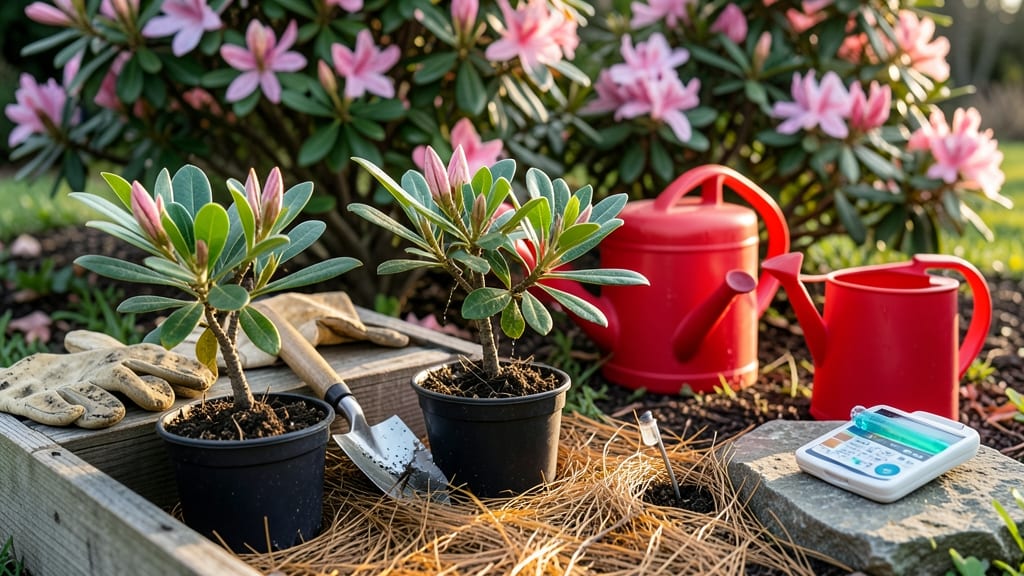
Planting your azaleas at the wrong time in Louisiana could mean struggling to survive the next frost—or worse, never seeing those stunning 🌸 blooms at all.
The key to success lies in understanding the coastal vs. inland differences that shape your planting window, especially in zones 8a-9b where frost can still sneak in.
If you've ever wondered why some gardeners swear by fall planting while others insist on spring, the answer lies in Louisiana's unpredictable weather patterns. Coastal areas near the Gulf have a longer frost-free season, giving you more flexibility, while inland regions face earlier cold snaps that demand precise timing.
Let me show you exactly when to plant for zero-frost survival and vibrant growth.
What most gardeners miss is how soil temperature and local microclimates play into this timing. In October-November, the ground stays warm enough for roots to establish, but planting too late risks winter stress.
Meanwhile, early spring offers a second chance—but only if you act before February 15, when frost can still strike. I'll break down the exact windows that work for your specific location.
By the end of this guide, you'll know not just when to plant, but how to prepare your soil, protect your azaleas from Louisiana's humidity, and create the perfect conditions for year-round blooms. Let's get those 🌸 shrubs thriving in your yard the right way.
Optimal azalea planting windows in Louisiana: coastal vs. inland frost zones
Louisiana’s diverse microclimates create two distinct azalea planting zones: coastal areas with milder winters and inland regions prone to late frosts. Getting the timing right means the difference between vibrant spring blooms and frost-damaged shrubs.
Let’s break down the best windows for each zone based on LSU AgCenter data and local frost patterns.
In coastal Louisiana (USDA Zones 9a-9b), like New Orleans and Lafayette, winters are warmer and frost-free for longer periods. Here, you can plant azaleas year-round, but fall (October-November) is ideal for root establishment before summer heat arrives.
Inland areas (Shreveport, Baton Rouge, USDA Zone 8a) face harder frosts—aim for early spring (February-March) after the last frost date to avoid winter damage.
Here’s the key difference: Coastal gardeners prioritize summer heat avoidance, while inland gardeners focus on frost escape timing. Both regions share one critical rule: Never plant when soil temps exceed 75°F, as this stresses roots before they establish.
| Region | Best Planting Window | Soil Temp Threshold | Key Consideration |
|---|---|---|---|
| Coastal (Zone 9a-9b) | October 15 - November 30 | 60-70°F | Avoid summer heat stress |
| Inland (Zone 8a) | February 15 - March 15 | 50-60°F | Escape late frosts (avg. Feb 15) |
| Both Regions | September (limited risk) | Below 75°F | Hurricane season risk in coastal areas |
For coastal Louisiana, the October-November window lets azaleas establish roots before summer’s 90°F+ temperatures. I’ve seen local nurseries in Grand Isle plant as late as December, but growth slows dramatically in winter.
Inland areas must wait until after February 15, when the average last frost occurs—though microclimates (like north-facing slopes) may need adjustments.
Pro tip: Use a soil thermometer to confirm temps. Azalea roots thrive at 60-70°F—cooler than most gardeners assume. I once planted in New Orleans in late November when soil was 72°F, and the shrubs struggled until spring. Always check before digging!
Louisiana’s humid subtropical climate also means hurricane season can disrupt planting. If you’re in coastal parishes, avoid June-November plantings due to storm risks. Instead, prioritize September if you miss the fall window—just monitor weather forecasts closely.
One regional secret: Container-grown azaleas adapt better to Louisiana’s conditions. They establish faster and let you delay planting slightly if needed. I’ve had success transplanting potted azaleas in late March for inland gardens, giving roots extra time to adjust before summer heat arrives.
Remember: Azaleas need 6-12 months to establish before full blooming. Planting at the wrong time can delay flowers by a year or more. For coastal gardeners, aim for fall blooms the following year; inland plantings may bloom 12-18 months later.
Finally, mulch heavily after planting to regulate soil temps. A 3-inch layer of pine straw (Louisiana’s native mulch) keeps roots cool in summer and warm in winter—critical for zero-frost survival in inland zones.
5 Critical factors that determine your azalea planting success in Louisiana
Planting azaleas in Louisiana isn’t just about picking the right month—it’s about understanding how your local soil, climate, and microclimate interact. Louisiana’s clay-heavy soils and high humidity create unique challenges, but with the right approach, you can ensure vibrant blooms every spring.
Beyond timing, these five factors will make or break your azalea’s success.
First, soil pH is non-negotiable. Azaleas thrive in acidic soil with a pH between 4.5 and 6.0. Louisiana’s native soils often test higher, so you’ll need to amend with peat moss or sulfur to create the ideal environment.
Without this adjustment, your plants will struggle to absorb nutrients, leading to poor growth and fewer blooms.
Next, moisture retention is critical, especially in our hot summers. While azaleas prefer consistent moisture, they hate soggy roots. Louisiana’s clay soils can become waterlogged after heavy rains, so improve drainage by mixing in compost or sand during planting.
A 2-3 inch layer of mulch will also help retain moisture while keeping roots cool.
🌱 Numbered Highlights for Azalea Success
- 1 Soil pH 4.5-6.0: Test and amend with peat moss or sulfur before planting. Louisiana’s clay soils often need adjustment.
- 2 Afternoon shade: Protect roots from hot sun (1 PM–5 PM) to prevent leaf scorch. East-facing spots work best.
- 3 Moisture balance: Water deeply 2x/week in summer, but avoid waterlogged soil. Mulch retains moisture without suffocating roots.
- 4 Post-planting care: Fertilize with acid-loving plant food in early spring and fall. Skip winter feeding.
- 5 Clay soil hack: Mix in compost or pine bark fines to improve drainage while retaining humidity.
Don’t overlook afternoon shade, which is especially important in Louisiana’s intense summer heat. Azaleas need morning sun for energy but will suffer leaf burn if exposed to hot afternoon rays.
Plant them where they receive dappled shade from trees or on the east side of structures. This balance ensures they get enough light for blooming without overheating.
Your post-planting care routine is just as vital as the initial planting. After transplanting, water deeply every 2–3 days for the first two weeks to encourage root establishment.
Once established, reduce to weekly deep waterings during dry spells. In fall and spring, apply a slow-release acid fertilizer to support new growth and vibrant blooms.
Finally, Louisiana’s clay-heavy soils can compact easily, restricting root growth. To combat this, loosen the soil to a depth of 12 inches before planting and mix in organic matter like compost or pine bark fines.
This improves aeration and drainage, helping your azaleas thrive in our humid subtropical climate.
By focusing on these five factors—soil pH, moisture retention, shade placement, post-planting care, and soil amendment—you’ll give your azaleas the best chance to flourish in Louisiana’s unique growing conditions. With the right setup, you’ll enjoy stunning blooms for years to come! 🌸