
Plants
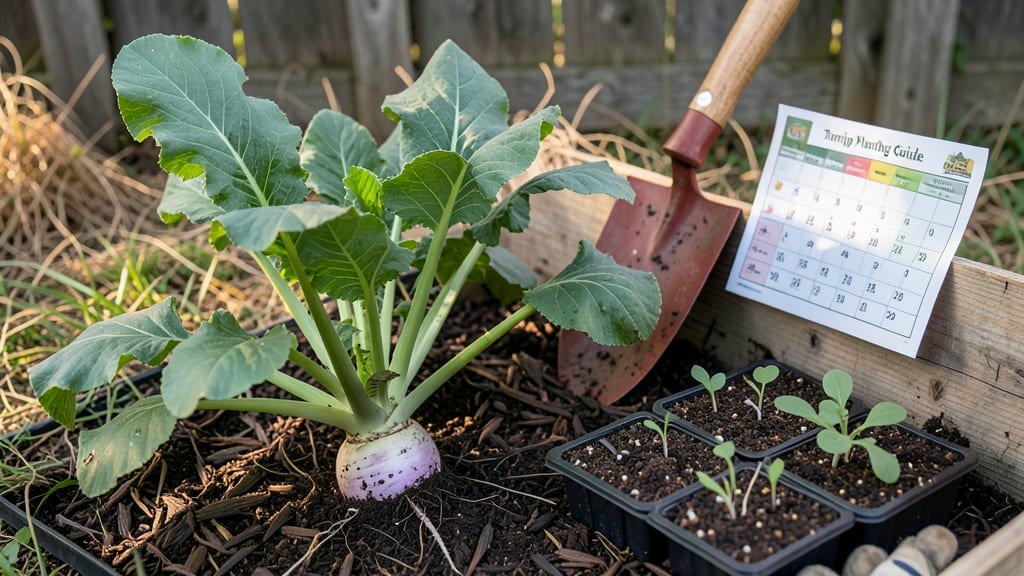
If you’ve ever planted turnips in Georgia only to watch them bolt into bitter, leafy stalks before you could even harvest them, you’re not alone. The key to crisp, sweet turnips 🥬 lies in planting at the precise moments when your climate zone—and not the calendar—dictates.
Georgia’s 7b-8b zones give you two prime windows: spring, when soil warms just enough to prevent frost damage, and fall, when cooling temperatures slow the rush to maturity. Miss these windows, and you’ll either deal with stunted roots or turnips that flower too soon, leaving you with tough, inedible greens.
I’ll break down the exact months to plant—February-March for spring and August-September for fall—plus how to adjust for North vs. South Georgia’s microclimates. You’ll also learn which turnip varieties thrive here and how to stretch your harvest with succession planting.
Ready to grow turnips that stay sweet and crisp? Let’s dive into the schedule that actually works for Georgia gardens.
Georgia turnip planting calendar: month-by-month breakdown by climate Zone
Georgia’s three distinct climate zones—North (Zone 7a), Central (Zone 8a), and South (Zone 8b)—each demand slightly different turnip planting strategies. The key is aligning your schedule with soil temperatures (ideal: 45-75°F) and frost dates to avoid bolting or stunted growth.
Here’s your zone-specific roadmap for crisp, bolt-free turnips.
For North Georgia (Zone 7a), where winters are cooler, aim for early spring (Feb-March) and late summer (Aug-Sept) plantings. Central and South Georgia gardeners can extend fall plantings into early October thanks to milder winters.
The secret? Succession planting every 2-3 weeks ensures a steady harvest before heat triggers bolting.
🌱Pro Tip: Use a soil thermometer to confirm 50°F+ soil temps before planting—cold soil delays germination and invites rot.
| Zone | Spring Planting Window | Fall Planting Window | Last Frost Date | First Frost Date | Best Varieties |
|---|---|---|---|---|---|
| North (7a) | Feb 15 - March 15 | Aug 1 - Sept 15 | Mid-March | Mid-Nov | 'Purple Top White Globe' |
| Central (8a) | Feb 1 - March 31 | July 15 - Sept 30 | Late Feb | Late Oct | 'Tokyo Cross' |
| South (8b) | Jan 15 - April 15 | July 1 - Oct 15 | Early Feb | Early Nov | 'White Egg' |
📅 Planting Deadlines: Never plant turnips after June 15 in North GA or July 15 in South GA—heat triggers bolting.
Your spring turnips should be in the ground 4-6 weeks before your last frost date to mature before summer heat arrives. In North Georgia, that’s mid-February; in South Georgia, you can push it to early April.
For fall crops, plant 8-10 weeks before your first frost—August for North GA and September for South GA.
💡Varietal Hack: Choose 'Tokyo Cross' for summer heat tolerance or 'Purple Top White Globe' for cold-hardy spring harvests. Always check seed packets for "days to maturity"—this dictates your planting window.
In North Georgia, where winters are colder, focus on early spring (Feb-March) and late summer (Aug-Sept) plantings. The last frost date (mid-March) is your cutoff for spring crops, while first frost (mid-Nov) signals the end of fall harvests.
For Central and South Georgia, extend your fall window into early October—just don’t let soil temps drop below 50°F.
🌡️Soil Temp Check: Use a soil thermometer to confirm 50°F+ before planting. Cold soil = slow germination and disease risk.
For succession planting, sow seeds every 2-3 weeks from your zone’s ideal window until June 15 (North GA) or July 15 (South GA). This ensures a continuous harvest and prevents bolting from summer heat.
Pair fast-maturing varieties (30-40 days) like 'Tokyo Cross' with slower ones (60 days) like 'White Egg' for staggered yields.
🌱Harvest Timeline: Spring turnips in Georgia are ready April-May; fall crops mature October-November. Pull roots when 1-2 inches wide—larger turnips become woody and pithy.
How to time turnip planting for zero bolting in Georgia’s heat
Georgia’s intense summer heat can turn your turnip crop into bitter, woody messes if you’re not careful. The key to avoiding bolting (when turnips prematurely flower) lies in strategic timing, variety selection, and a few clever tricks to keep plants cool.
I’ve grown turnips in Zone 7b-8b for years, and these methods have saved my harvests from turning into seed pods too soon.
First, focus on succession planting—short, staggered plantings every 2-3 weeks—rather than one big batch. This ensures you’re always harvesting young, tender roots before the heat triggers flowering.
For Georgia, aim to start your first spring planting in late February to early March, when soil temps hover around 50°F, and your last fall planting by mid-August to avoid summer’s worst heat.
- 1. Choose Heat-Tolerant Varieties: Opt for ‘Tokyo Cross’ (fast-maturing, 30 days) or ‘Purple Top White Globe’ (bolting-resistant). Avoid ‘White Egg’—it bolts faster in heat.
- 2. Use Shade Cloth (30-40%): Install shade cloth over seedlings during May-July to block 30-40% sunlight. This keeps soil temps cooler by 10-15°F.
- 3. Succession Plant Every 2 Weeks: Plant small batches every 2 weeks from February-March (spring) and August-September (fall). This spreads out harvests.
- 4. Mulch Heavily with Straw: Apply 3-4 inches of straw mulch to retain moisture and block heat. Replenish after rains to maintain coverage.
- 5. Harvest Before Bolting Signs: Watch for yellowing leaves or flower stalks. Pull roots when 1-2 inches wide—never let them mature past 50 days.
Variety selection makes a huge difference. ‘Tokyo Cross’ matures in just 30 days and handles Georgia’s heat better than slower varieties. If you’re planting in late spring (April-May), pair it with shade cloth to buy extra time.
I’ve seen turnips bolt in as little as 45 days under full summer sun, so don’t wait too long!
Monitor your plants closely for bolting signs: elongated stems, yellowing leaves, or tiny flowers. If you spot these, harvest immediately—even small roots are better than bitter, woody ones.
For a continuous harvest, plant a second batch in late July (using shade cloth) and a third in early September for a fall crop.
Pro tip: Water deeply in the morning (1-2 inches per week) to encourage root growth and reduce stress. Avoid evening watering—wet foliage in the heat invites fungal diseases like downy mildew.
And if your turnips start flowering, don’t panic! The leaves are still edible and packed with flavor, just pull the roots before they get tough.
With these strategies, you’ll enjoy crisp, sweet turnips all season long—no bolting in sight. Happy planting! 🥬