
Flowers
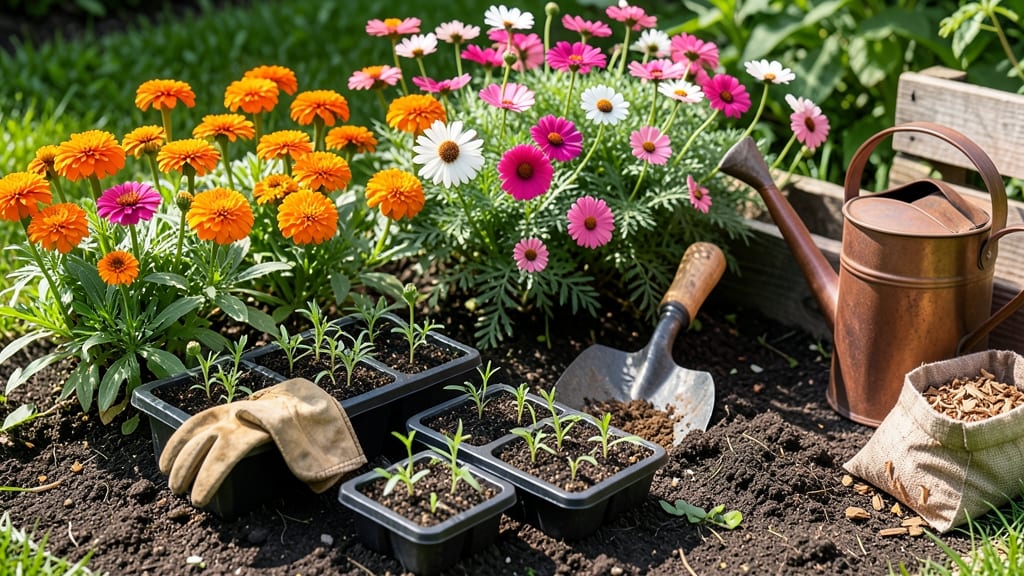
Planting your 🌸 flowers in San Antonio at the wrong time can mean wilting blooms before they even begin—or worse, losing them to sudden freezes.
The key to vibrant, long-lasting gardens here isn’t just picking the right varieties; it’s knowing exactly when to put them in the ground to beat the heat and avoid frost damage.
With San Antonio’s USDA Zone 8a climate, you’ve got a narrow window to work with—especially between the last frost in mid-January and the brutal summer heat that kicks in by May.
But here’s the good news: by following the perfect planting schedule, you can enjoy colorful blooms from spring through fall without the guesswork.
I’ve tested what works in this tricky heat zone, and the secret isn’t just waiting for “spring” or “fall”—it’s about timing your plantings to match San Antonio’s microclimates, from shaded urban spots to sunbaked yards.
Whether you’re dreaming of spring bulbs or fall mums, I’ll show you the exact months to plant for zero-frost success.
Ready to transform your garden into a year-round paradise? Let’s dive into the step-by-step guide that’ll have your flowers thriving—no matter what San Antonio throws at them.
Best flower planting calendar for San Antonio’s heat-zone 8B seasons
San Antonio’s unique Heat-Zone 8B climate means your flower garden can thrive year-round—but only if you plant at the right time. The key is avoiding late winter frosts (Dec 15–Feb 15) while escaping the peak summer heat (May–Sept).
Fall and early spring are your golden windows, but some flowers demand precision timing to beat the odds.
I’ve broken down the ideal planting months for annuals, perennials, and bulbs, so you can plan ahead and enjoy blooms from February through December. Whether you’re sowing seeds or transplanting seedlings, these windows ensure your flowers establish strong roots before extreme temperatures strike.
🌱 Pro Tip: Always check your specific microclimate—urban areas like downtown San Antonio can be 5–10°F hotter than rural zones, shifting planting times by 2–4 weeks.
🌸 San Antonio Flower Planting Calendar
| Season | Plant Type | Best Planting Months | Key Considerations |
|---|---|---|---|
| Early Spring | Annuals (cool-season) | February–March | Avoid last frost dates (Feb 15); choose heat-tolerant varieties. |
| Spring | Perennials | March–April | Establish roots before April heat waves; mulch heavily. |
| Summer | Annuals (heat-lovers) | June–July | Direct-sow after May 15; use shade cloth for seedlings. |
| Fall | Bulbs & Perennials | September–November | Best window for spring blooms; plant before October rains. |
| Winter | Cold-hardy Annuals | December (mild years) | Risky; limit to pansies or snapdragons in sheltered spots. |
🌡️ Note: Adjust for urban heat islands—plant 2–4 weeks earlier in paved areas.
For spring-blooming bulbs like tulips or daffodils, plant them in November to ensure roots establish before winter dormancy. These bulbs need 6–8 weeks of cool soil to form strong shoots, so don’t wait until December—it’s too late!
🌿 Summer flowers like zinnias or sunflowers should hit the ground by late May to avoid wilting under 100°F+ temps. If you’re starting from seed, use shade cloth until seedlings are 3 inches tall, then gradually acclimate them to full sun.
Fall is my favorite planting season in San Antonio—cooler temps mean less stress on roots, and October–November rains help establish new plants. Focus on perennials like salvia or coneflowers, which will reward you with low-maintenance blooms for years.
⚠️ Warning: Never plant tender annuals like petunias or geraniums before April 15. Even a light frost can kill them, and San Antonio’s unpredictable winter weather makes early planting a gamble.
To maximize success, always amend your soil with compost before planting and mulch heavily (2–3 inches) to retain moisture. In Heat-Zone 8B, moisture retention is just as critical as timing!
📅 Quick Reference: Mark your calendar for these critical dates—they’re the difference between thriving flowers and a sad, wilted garden:
- Feb 15: Last average frost date—safe for cool-season annuals.
- April 15: Plant heat-loving annuals after this date.
- May 15: Direct-sow summer flowers; avoid transplant shock.
- Sept 15: Best time to plant fall bulbs for spring blooms.
- Nov 1: Final window for winter-hardy annuals in mild years.
How to adjust planting times for San Antonio’s microclimates
San Antonio’s climate isn’t one-size-fits-all—your garden’s exact location can shift ideal planting times by 2–4 weeks. A south-facing bed bakes under summer sun, while a north-facing spot stays cooler.
Even elevation differences of just 100 feet can create frost pockets or heat islands. Understanding these microclimates lets you fine-tune your schedule for healthier blooms and longer seasons.
Urban heat islands—common in downtown areas—can push last frost dates back by 2 weeks compared to suburban zones. Meanwhile, shaded spots under trees might need earlier spring plantings to avoid overheating.
Container gardens, with their rapid moisture loss, often require 2-week adjustments in both directions: planting sooner in spring to beat heat and later in fall to extend blooms.
Here’s how to adjust your planting calendar based on San Antonio’s key microclimates:
- Adjustment: Plant 2 weeks later in spring (avoid transplant shock) and 2 weeks earlier in fall (escape early heat).
- Examples: Marigolds in mid-April instead of late March; Zinnias in early September instead of late August.
- Adjustment: Plant 3 weeks earlier in spring (cooler soil) and 1 week later in fall (protected from frost).
- Examples: Impatiens in early March (vs. late March); Coleus in late October (vs. mid-October).
- Adjustment: Plant 1–2 weeks later in spring (soil stays warm longer) and 1 week earlier in fall (heat lingers).
- Examples: Lantana in late April (vs. early April); Petunias in early November (vs. mid-November).
- Adjustment: Plant 2 weeks earlier in spring (dries out faster) and 2 weeks later in fall (retains heat longer).
- Examples: Geraniums in February (vs. March); Snapdragons in late October (vs. early October).
For elevation differences, add 1 week per 200 feet higher to your spring planting schedule. For example, if your garden sits at 700 feet (vs. the city average of 500 feet), shift spring plantings 1 week earlier to avoid late frost risks.
Use your local weather station data to track microclimate patterns—tools like the San Antonio Botanical Garden’s frost maps are invaluable.
Pro tip: Test your microclimate by planting heat-sensitive flowers like cosmos in different spots. If they thrive in a north-facing bed but wilt in the south, you’ve found your coolest zone—perfect for spring bulbs or tender perennials. Adjust your schedule accordingly for year-round success.
Remember, container gardens and raised beds heat up faster than in-ground soil, so always plant 1–2 weeks later in spring to avoid stress. For shaded areas, focus on moisture-loving flowers like impatiens or begonias, which thrive with these adjusted timelines.