
Plants
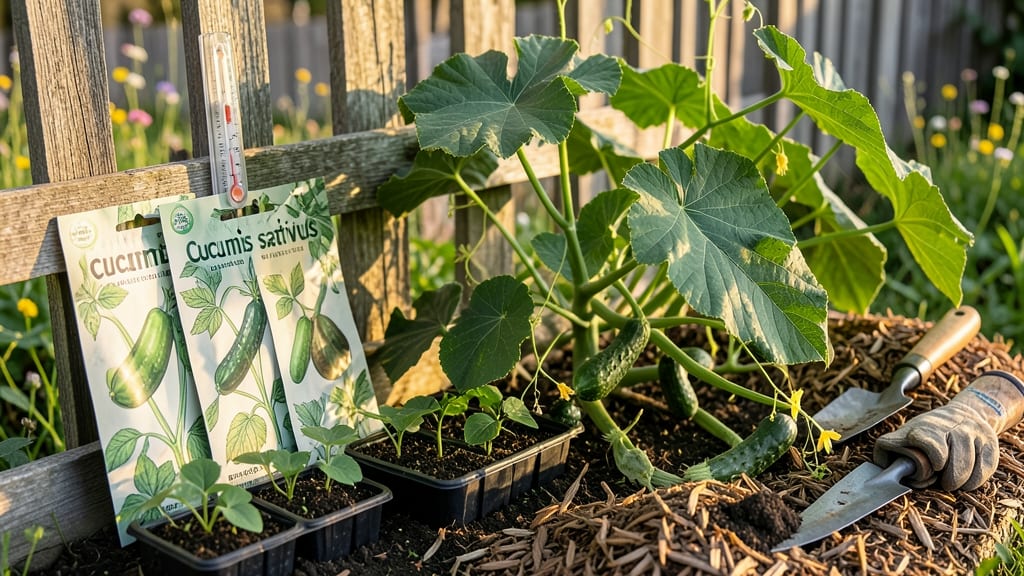
Planting cucumbers 🥒 in Australia isn’t just about grabbing seeds and sticking them in the ground—it’s about mastering your state’s unique climate quirks to avoid bitter fruit or wasted effort. Whether you’re in frost-prone Victoria or heat-baked Queensland, timing matters more than you’d think.
The wrong window could mean stunted vines or no harvest at all, but get it right, and you’ll enjoy crisp, homegrown cucumbers all season long.
Most gardeners in Australia’s warm temperate zones know spring (September–November) is prime time, but did you realize early autumn (February–March) can also work wonders in the right spots? The key lies in soil temperature—cucumbers need warmth to germinate, and a frost-free forecast is non-negotiable.
Even in Queensland, where frost is rare, coastal breezes can delay planting, so local microclimates demand attention.
I’ve grown cucumbers across three states, and the biggest mistake? Ignoring companion plants or soil prep. A little extra effort—like adding compost or pairing cucumbers with beans—can mean the difference between a mediocre harvest and a bountiful one.
Let’s break down the best months for your region, plus pro tips to keep your vines thriving from seed to salad.
Ready to transform your garden? You’ll learn how to adjust planting times based on your state’s heat zones, spot early warning signs of stress, and even extend your harvest with simple tricks. No more guessing—just delicious, homegrown cucumbers all season.
Australia’s cucumber planting calendar by state: frost dates and heat zones
Timing your cucumber planting in Australia depends heavily on your state’s unique climate. Cucumbers (Cucumis sativus) thrive in warm conditions but can suffer from frost damage or heat stress if planted at the wrong time.
Each state has distinct frost dates and heat thresholds that determine the ideal planting window. Let’s break down the best times for each region to ensure a bountiful harvest.
For temperate states like NSW and Victoria, cucumbers are best planted in spring (September–November) when soil temperatures reach at least 15°C (59°F). In contrast, tropical Queensland and Northern Territory can plant year-round, but peak harvests occur in autumn (March–May) to avoid extreme summer heat.
Understanding these nuances is key to avoiding common pitfalls like bitter fruit or poor germination.
| State | Ideal Planting Window | Last Frost Date | Heat Tolerance Threshold | Greenhouse Option? |
|---|---|---|---|---|
| NSW | September–November | Mid-September (Sydney) | Up to 35°C (95°F) | Yes (extend season) |
| Victoria | October–November | Late October (Melbourne) | Up to 32°C (90°F) | Yes (critical for early starts) |
| Queensland | March–May (autumn) | None (tropical) | Up to 40°C (104°F) | No (year-round growth) |
| Western Australia | September–October (Perth) | Late August (Perth) | Up to 38°C (100°F) | Yes (for cooler inland areas) |
| South Australia | October–November | Mid-September (Adelaide) | Up to 35°C (95°F) | Yes (essential for early crops) |
| Tasmania | November–December | Late October (Hobart) | Up to 30°C (86°F) | Yes (extend growing season) |
In New South Wales (NSW), cucumbers should be planted after the last frost date, typically around mid-September in Sydney. Use black plastic mulch to warm the soil faster and protect seedlings from cool nights.
For Victoria, aim for October–November when soil temperatures stabilize above 15°C (59°F). Melbourne’s cooler climate benefits from greenhouse planting to start seeds earlier.
Queensland’s tropical climate allows for year-round cucumber growth, but autumn (March–May) is ideal to avoid extreme summer heat, which can cause bitter fruit. In Western Australia, focus on September–October for Perth’s Mediterranean climate, while inland areas may need greenhouse protection to handle higher temperatures.
For South Australia, plant in October–November after the last frost, which typically occurs in mid-September in Adelaide. Use row covers if planting early to shield from unexpected late frosts.
In Tasmania, wait until November–December when the risk of frost has passed entirely. The island’s cooler climate makes greenhouse growing
How to adjust planting times for microclimates and soil conditions
Australia’s climate varies dramatically from tropical Queensland to temperate Victoria, meaning your cucumber planting time should adapt to your local conditions. Urban gardens in Sydney may have warmer microclimates than rural areas just 50km away, while coastal regions like Perth stay cooler due to ocean breezes.
Always check your last frost date (if applicable) and soil temperature—cucumbers need soil at 18°C+ to germinate.
Soil type plays a huge role too. Sandy soils dry out faster and need more frequent watering, while clay soils can suffocate roots if not amended with compost. Test your soil’s pH (6.0–6.8 ideal) and adjust with lime or sulfur before planting.
If your garden sits in a low-lying area, frost risk increases—opt for early-maturing varieties like ‘Suyo Long’ to avoid late-season chill.
For coastal gardens, like those in Brisbane or Adelaide, salt spray can damage young plants. Use drip irrigation to avoid foliar salt buildup and mulch heavily with straw or lucerne hay to lock in moisture.
Inland areas like Albury-Wodonga experience hotter days and cooler nights, so choose heat-tolerant varieties like ‘Straight Eight’ and water deeply at soil level (not overhead) to prevent fungal diseases.
If you’re in a subtropical zone (e.g., Gold Coast), cucumbers thrive year-round but may struggle in peak summer heat (above 35°C). Provide 30% shade cloth during January–February and harvest early in the morning to keep fruit crisp.
For greenhouse growing, start seeds in August for an early spring crop or March for autumn harvests, controlling temperature with ventilation fans.
One common mistake is assuming “warm” means “ready”. Soil temperature matters more than air temperature—use a soil thermometer to confirm 18°C+ before sowing. In high-altitude areas (e.g., Canberra), plant bush varieties like ‘Excelsior’ instead of vining types, as they mature faster in shorter growing seasons.
Always monitor humidity levels; cucumbers need 60–70% humidity to set fruit—use a humidifier or mist system in dry climates like Perth.
Pro tip: Plant cucumbers near companion plants like bush beans or marigolds to deter pests and improve soil structure. Avoid planting near potatoes or sage, which can stunt growth. With these adjustments, you’ll maximize yields and avoid common pitfalls like bitter fruit or poor germination—no matter your microclimate! 🌱