
Plants
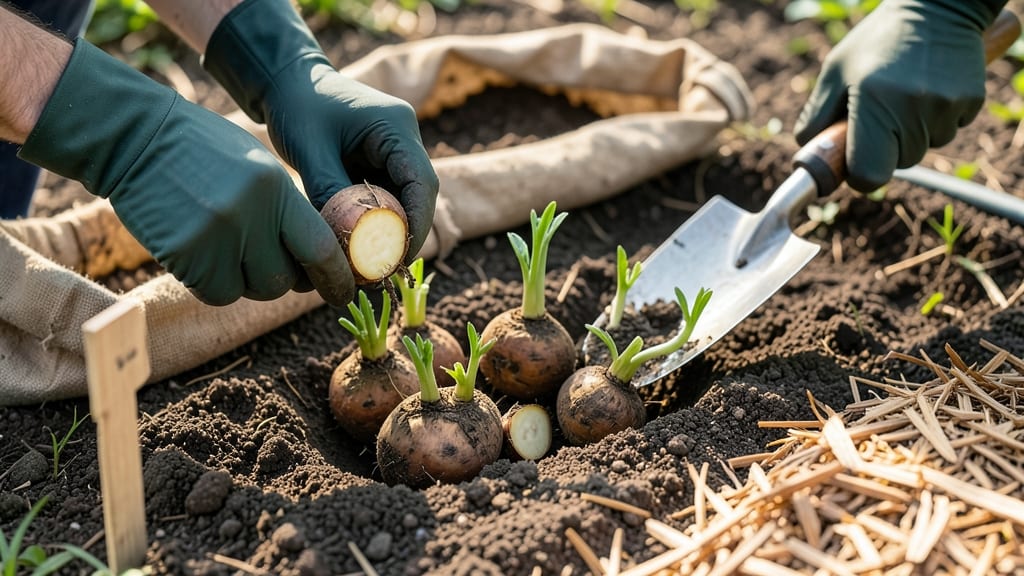
Planting dahlias in Washington State can feel like a high-stakes game of timing—get it wrong, and frost or heat will sabotage your blooms before they even begin.
The key to success isn’t just waiting for spring; it’s understanding how the state’s diverse microclimates, from the chilly Puget Sound to the dry inland valleys, dictate the perfect window.
Whether you’re in Zone 7 Seattle or Zone 4 Spokane, the last frost date isn’t the only factor. Soil temperature, elevation, and even urban heat islands play a role.
I’ll show you exactly when to plant—late May to early June for most regions—but with regional tweaks to avoid common pitfalls like stunted growth or early wilting.
You don’t need a green thumb to pull this off; just a few smart strategies. Learn how to prep your soil, choose the right tubers, and protect your plants from unexpected cold snaps. By the end, you’ll have a game-changer for a dahlia garden that thrives all summer long.
Let’s dive into the exact dates and tips tailored to your corner of Washington—so you can skip the guesswork and enjoy those showstopping blooms from July through frost.
Washington State’s dahlia planting zones: when to plant by region
Washington State spans USDA Zones 4 through 9, creating dramatic differences in dahlia planting windows. Coastal areas like Seattle (Zone 8) enjoy early starts, while Spokane (Zone 6) and Yakima (Zone 7) face later frost risks.
The key? Planting when soil reaches 60°F (15°C)—consistently—and after your region’s average last frost date. High-altitude areas like Mount Rainier foothills (Zone 5) need extra caution.
Dahlias thrive in warm soil, not just air temperatures. Use a soil thermometer to confirm readiness—55°F (13°C) minimum for sprouting, but 60°F+ (15°C+) for vigorous growth.
In Western WA (Zones 7-9), this typically aligns with late April to mid-May, while Eastern WA (Zones 4-7) gardeners should wait until mid-May to early June. High-altitude zones may delay planting until June.
Here’s your region-specific planting timeline for zero-frost success, including city examples and soil prep tips:
| Region | USDA Zone | Last Frost Avg. | Ideal Planting Window | Soil Prep Tip |
|---|---|---|---|---|
| Western WA (Seattle, Olympia) | 7-9 | Mid-April | Late April–Mid-May | Add compost to cool, wet soil |
| Puget Sound Lowlands | 8-9 | Early April | Early May | Use black plastic mulch for warmth |
| Eastern WA (Spokane, Wenatchee) | 5-7 | Late May | Mid-May–Early June | Wait for night temps >50°F (10°C) |
| Columbia Basin (Yakima, Pasco) | 6-7 | Early May | Late May | Irrigate soil to 12" depth before planting |
| High Altitude (Leavenworth, Mt. Rainier) | 4-5 | Late June | June–Early July | Start tubers indoors in April |
For Seattle gardeners (Zone 8), aim to plant after May 15—this aligns with the city’s average last frost of April 20 and ensures soil warmth.
In Spokane (Zone 6), delay until June 1 to avoid late frosts that can linger into May. Yakima’s dry climate (Zone 7) allows earlier planting (May 10), but irrigation is critical to prevent soil from drying too quickly.
High-altitude areas like Leavenworth (Zone 5) present unique challenges. The June 1 planting window reflects cooler nights and slower soil warming. To extend your season, start tubers indoors in April using seedling trays with heat mats. Transplant hardened-off seedlings after June 15 for maximum bloom time.
Always check the USDA Plant Hardiness Zone Map for your exact location, as microclimates can shift planting dates by 1-2 weeks. Urban areas like Bellevue or Kirkland may experience 2-3°F warmer soil than rural zones due to urban heat islands.
Use a local weather station (like Meteoblue) to track soil temperature trends in real time.
Pro tip: Pre-warm soil in cooler zones by covering beds with clear plastic 2-3 weeks before planting. This raises soil temps by 5-10°F, accelerating growth. For container gardening in urban areas, use black pots to absorb sunlight and keep roots warm.
Remember: Dahlias need 60-90 days to bloom after planting. Late starts in Zone 4-5 may limit flowering to late summer or fall. If you’re eager for color, consider early varieties like ‘Café au Lait’ (60-day blooms) or container-grown dahlias for flexibility.
🌱
How to extend your dahlia season: tips for early planting without frost risk
If you’re eager to see those showstopping dahlia blooms earlier than usual, you don’t have to wait for the last frost date. With the right strategies, you can extend your growing season by weeks—even in Washington’s unpredictable climate.
The key is combining soil temperature checks, protective measures, and smart planting techniques to give your tubers a head start.
Urban gardeners with limited space or cooler microclimates can still succeed by using containers or row covers. These methods aren’t just for professionals; even beginners can pull them off with a little planning.
Let’s break down the proven tactics to get your dahlias off to a flying start without risking frost damage.
- Start tubers indoors 6–8 weeks before your last frost date (use 60–65°F soil for sprouting).
- Use row covers or frost blankets to protect outdoor plants until soil warms to 55°F+.
- Plant in containers for mobility—move pots indoors or to a garage if frost threatens.
- Test soil temperature with a thermometer; dahlias need 60°F+ to thrive.
- Choose early-blooming varieties like 'Café au Lait' or 'Thomas Edison' for faster results.
One of the biggest mistakes gardeners make is rushing to plant when the air feels warm, but the soil is still cold. Dahlias won’t sprout until the ground reaches 60°F, and waiting for this milestone can save you from stunted growth or rot.
Use a soil thermometer—they’re cheap and game-changing for precision. If your soil isn’t ready, opt for container growing instead; pots warm up faster in sunlight.
For urban gardeners, containers are a lifesaver. They let you move plants to sunnier spots or bring them indoors if frost is forecasted. Use well-draining pots with organic potting mix and add a time-release fertilizer to give your dahlias a nutrient boost.
Just remember: containers dry out faster, so water consistently and check moisture daily during heatwaves.
If you’re planting outdoors, row covers are your best friend for early season protection. These lightweight fabrics trap heat and shield plants from late frosts. Secure them with bricks or clips to prevent wind damage, and remove them on warm days to let pollinators visit.
Pair row covers with mulch to insulate the soil—straw or shredded leaves work perfectly.
Finally, don’t underestimate the power of microclimates. A south-facing wall, paved area, or even a black plastic mulch can create a warmer pocket in your garden.
Plant dahlias near these spots to give them an extra edge. And if all else fails, harden off your indoor starts gradually before transplanting to avoid shock.
With these strategies, you’ll be enjoying vibrant dahlia blooms weeks before your neighbors—and without a single frost-related setback. Happy planting! 🌱