
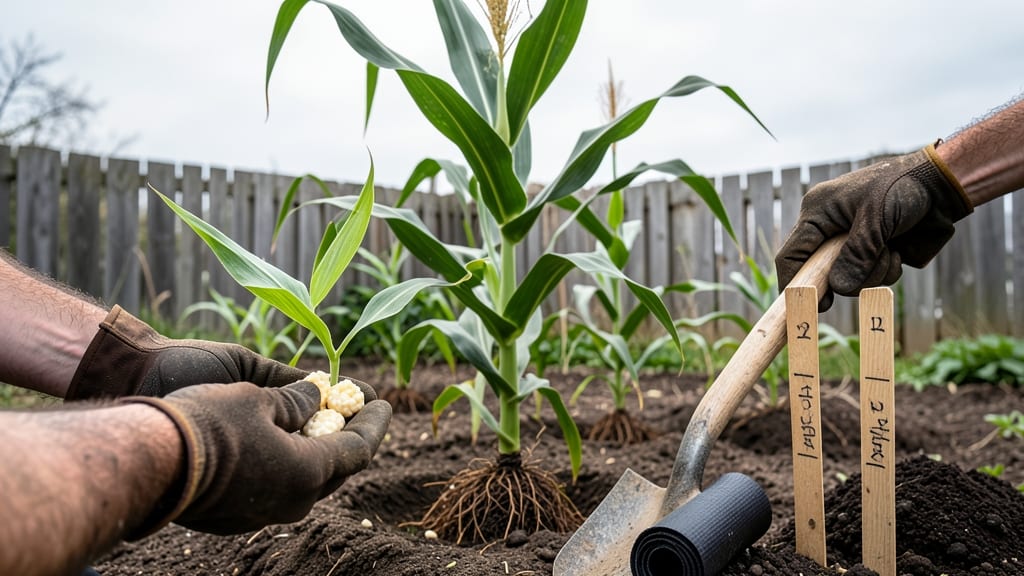
When Do You Plant Corn in Florida: Heat Zone Timeline for Zero Frost Risk

Plants

When Do You Plant Corn in Florida: Heat Zone Timeline for Zero Frost Risk

Planting corn in Florida isn’t just about timing—it’s about beating the heat and humidity to grow sweet, plump ears. Unlike northern states, Florida’s frost-free zones mean you can start as early as mid-March, but even a few degrees too warm can stunt your 🌽 before it begins.

Most gardeners in Florida’s 8a-11 zones focus on spring plantings (March–May) to avoid summer’s brutal heat, but late summer (July) can work if you choose heat-tolerant varieties. The key? Soil temperature must hit 60°F+—any cooler, and germination slows to a crawl.

I’ve learned the hard way that rushing corn into Florida’s spring soil too soon leads to leggy, weak stalks. But with the right prep—like pre-soaking seeds and spacing plants 12 inches apart—you can stretch your harvest from June through October.

Ready to grow corn that thrives in Florida’s climate? Let’s break down the exact windows, soil tricks, and varieties that actually work in the Sunshine State’s heat zones.

🌽 When to Plant Corn
Jan ❄️
Feb 🌱
Mar 🌽
Apr 🌽
May 🌽
Jun 🌽
Jul 🌱
Aug ☀️
Sep 🍂
Oct 🍂
Nov 🍂
Dec ❄️
Ideal Time
Also Good

Florida corn planting calendar by heat Zone: exact dates for sweet corn success

Growing sweet corn in Florida requires precision timing to beat the heat and humidity. Unlike northern states, Florida’s 11 heat zones (A1-B11) create microclimates where planting windows shift dramatically—from late February in Zone A1 to mid-June in Zone B11.

The key? Plant when soil temperatures hit 60°F+ and avoid summer’s brutal heat stress on young plants.

Florida’s frost-free growing season means you can plant corn year-round, but spring and early summer are the sweet spots. In Zone 8A (North Florida), for example, early plantings in March escape the worst summer heat, while Zone 11 (South Florida) gardeners can stretch harvests into October with staggered plantings.

Let’s break down the exact dates by zone to maximize your corn’s potential.

🌽 Pro Tip: Pre-soak seeds for 12 hours before planting to speed germination in Florida’s warm, humid soil. This is especially critical in Zones A1-A3, where soil can dry out quickly even in spring.

Heat Zone Early Planting Window Mid-Season Planting Late Planting Window Soil Temp Threshold Key Consideration
Zone A1 (Northwest FL) Late February - Early March Mid-April - Early May None (summer heat risk) 60°F+ Dry spells common; mulch heavily
Zone A2 (Panhandle) Early March Late March - Mid-April Late June (shade cloth) 62°F+ Wind exposure; use windbreaks
Zone B3 (Central FL) Mid-March Early April - Late April Early July 65°F+ Humidity spikes; space plants wider
Zone B4 (Orlando Area) Late March April - Early May Mid-July 68°F+ Afternoon thunderstorms; raised beds help
Zone B5 (Tampa/St. Pete) Early April May - Early June Late July 70°F+ Salt air; flush soil with fresh water
Zone B6 (Sarasota) Mid-April June Early August 72°F+ Hurricane season; use trellises
Zone B7 (Fort Myers) Late April June - July Mid-August 75°F+ Extreme heat; plant near water source
Zone B8 (Miami) May July - August September 78°F+ Humidity >90%; use shade cloth
Zone B9 (Key West) June August - September October 80°F+ Salt tolerance; choose drought-resistant varieties
Zone B10 (Everglades) June - July September November 82°F+

How to adjust corn planting times for Florida’s unpredictable weather patterns

Florida’s unpredictable weather can turn a corn garden from a dream harvest into a disappointment overnight. Sudden downpours, humidity spikes, and even late-season hurricanes can derail your planting schedule if you’re not prepared.

Unlike northern climates, Florida’s frost-free zones mean you can’t rely on traditional spring planting windows—you’ve got to adapt or risk weak germination and stunted growth.

After years of trial and error, I’ve learned that the key to success lies in flexible planting strategies. This means testing your soil moisture before planting, adjusting seed depth based on rainfall forecasts, and even having a backup replanting plan.

The goal? To stretch your harvest window from June through October without betting everything on a single planting date.

Here’s how I adjust my corn planting times to outsmart Florida’s weather—so you can too.

⚠️ Warning: Florida’s Rainy Season Can Drown Your Corn!

If you plant corn in late May or June, you’re entering peak hurricane season. A single 5-inch downpour can flood your garden, causing seeds to rot before they sprout. Solution: Test soil moisture with a trowel—if it’s soggy, wait 3-5 days or plant in raised beds for better drainage.

Pro Tip: Use a soil thermometer (not just air temp!)—corn needs 60°F+ soil to germinate. Florida’s humidity can fool you into thinking it’s warm enough when it’s not.

First, stagger your plantings every 2 weeks from mid-March through early July. This ensures a continuous harvest and reduces the risk of losing everything to a single weather event.

For example, plant one batch in March (for early summer harvests), another in April, and a final one in June (for fall harvests). This way, even if a storm hits, you’ll still have ears to pick.

Next, choose heat-tolerant varieties like ‘Peaches and Cream’ or ‘Silver Queen’, which mature in 75-90 days. These varieties can handle Florida’s 90°F+ temperatures better than standard sweet corn. Pair them with shallow planting—only 1 inch deep—to help seeds sprout faster in warm soil.

If your area gets consistent afternoon rains, consider using drip irrigation to keep soil evenly moist without waterlogging.

For emergency replanting, keep a batch of seeds pre-soaked in water for 12 hours. If a storm wipes out your garden, you can drop these seeds into fresh soil within 48 hours of the last heavy rain.

Just ensure the soil is not compacted—Florida’s clay soil can suffocate seeds if it’s too wet. Mix in compost or sand to improve drainage before replanting.

Finally, watch the skies and adjust your watering schedule. Corn needs 1-2 inches of water weekly, but during Florida’s summer thunderstorms, you might get too much at once. Use a rain gauge to track rainfall and skip watering if you’ve already hit your target.

Mulch with straw or grass clippings to retain moisture and prevent soil crusting from heavy rains.

With these adjustments, you’ll turn Florida’s unpredictable weather into an advantage—harvesting sweet corn when others are still waiting for their seeds to sprout. 🌽

★★★★★4.8(6 reviews)
Categories Plants