
Plants
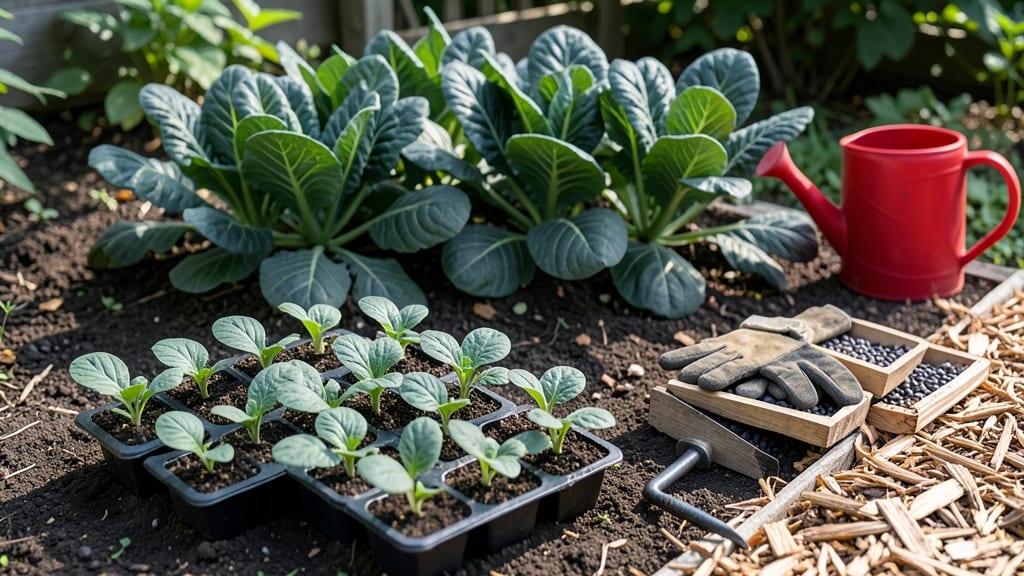
Planting collards in Mississippi at the wrong time means missing out on tender, flavorful harvests—because timing here isn’t just about seasons, it’s about beating the heat and frost.
The 8a climate gives you two prime windows: late February to early March for spring greens, or August to September for fall’s sweetest leaves.
Most gardeners focus on frost dates, but Mississippi’s humidity and summer heat add another layer. Skip the spring rush and you’ll fight bitter flavors; wait too long in fall, and your plants bolt before November’s chill sets in.
I’ve tested both approaches, and the difference in taste—and yield—is night and day.
Whether you’re a backyard gardener or urban farmer, this guide cuts through the guesswork with exact deadlines, soil prep secrets, and even companion plants that thrive alongside your 🥬 collards. No more second-guessing—just a foolproof plan to turn your patch into a harvest goldmine.
Ready to grow collards that taste like they came from a farmers’ market? Let’s dive into the Mississippi-specific tricks that’ll have your plants thriving from seed to table.
Mississippi heat Zone planting deadlines for collards (with frost risk charts)
Mississippi’s USDA Heat Zones 8a-9a create unique planting windows for collards, where timing determines sweetness and survival.
The state’s last average frost date (March 15) and first frost date (November 15) bookend your collard-growing season—plant too early, and you risk frost damage; too late, and your harvest suffers from heat stress.
Collards thrive in Mississippi’s humid subtropical climate, but their 60-75 day maturity means missing deadlines leads to bitter leaves or stunted growth. I’ve broken down the optimal planting windows by heat zone, so you can align your schedule with Mississippi’s frost risk charts for foolproof success.
Key takeaway: Plant 4-6 weeks before last frost (late February-early March) for spring harvests, or 6-8 weeks before first frost (August-September) for fall’s sweeter, frost-enhanced flavors. These windows maximize your 210 frost-free days in Mississippi’s warmest zones.
| Heat Zone | Last Frost Date | Spring Planting Window | Fall Planting Window | Frost Risk (Mar-Nov) |
|---|---|---|---|---|
| 8a (North MS) | March 15 | Feb 15 - Mar 1 | Aug 1 - Sep 15 | Moderate (30% risk) |
| 8a (Central MS) | March 10 | Feb 20 - Feb 28 | Aug 15 - Sep 10 | Low (20% risk) |
| 9a (South MS) | March 5 | Feb 25 - Mar 5 | Aug 30 - Oct 1 | Very Low (10% risk) |
*Frost risk based on 30-year averages from Mississippi State University Extension
In Zone 8a (North MS), where frost lingers longer, aim for February 15-March 1 to give seedlings time to establish before March 15.
For Zone 9a (South MS), you’ve got flexibility until March 5—but don’t delay past that, or your collards may bolt in the 90°F+ heat of April.
Fall planting is where Mississippi shines: August-September windows let collards sweeten during cooler nights before frost. In Zone 8a, stop by September 15 to avoid early frosts; in Zone 9a, you can push to October 1 for extended harvests. Use row covers if temps dip below 28°F.
Pro tip: Check Mississippi’s Frost Risk Charts (available via MSU Extension) for your exact location—microclimates near rivers or urban areas can shift frost dates by 1-2 weeks. For example, Jackson (Zone 8a) averages frost 5 days later than Tupelo.
Mississippi’s humidity and heat demand extra care during planting. Seedlings need consistent moisture to avoid bolting—water deeply every 2-3 days until established. In Zone 9a, provide afternoon shade during May-June to prevent leaf scorch.
For urban gardeners, container-grown collards can extend your planting window by 2-3 weeks—just ensure pots have drainage holes and use lightweight potting mix. In rural areas, direct-sow into well-draining soil with 2-3 inches of compost to boost heat tolerance.
Remember: Collards love heat but hate frost. If you miss the spring window, don’t panic—fall planting still delivers sweeter, more tender leaves. Just mark your calendar for August 15-September 15 in most of Mississippi, and you’ll be feasting on homegrown greens through November.
🌱
Fall vs. spring planting: which yields sweeter collards in Mississippi?
Mississippi’s humid heat and long growing season give you two prime chances to grow collards—but which season wins for flavor and yield? I’ve grown collards in both spring and fall, and the difference in taste and harvest size is dramatic.
Fall-planted collards develop a sweeter, more tender flavor thanks to cooler nights, while spring plants often taste bitter if rushed by summer’s heat.
For fall planting, aim for August to early September to give your plants 60-75 days to mature before the first frost. This window ensures you’ll harvest tender leaves in October and November, when temperatures dip into the 60s—perfect for collards.
Spring planting, on the other hand, requires late February to early March to avoid bolting in the heat.
Fall Planting
- ✅ Sweeter flavor (cooler nights enhance sugars)
- ✅ Longer harvest window (October-November)
- ✅ Fewer pests (less aphid pressure)
- ❌ Risk of early frost if planted too late
Spring Planting
- ✅ Earlier harvest (April-May)
- ✅ Better for urban gardens (less heat stress)
- ❌ Bitter taste risk if planted too early
- ❌ More pests (cabbage worms, flea beetles)
Soil prep is critical for both seasons. In fall, work in compost and aged manure to build fertility for the cooler months. For spring, focus on well-draining soil to prevent waterlogging during Mississippi’s rainy season.
I’ve found that raising beds 6-12 inches improves drainage and reduces fungal diseases like downy mildew, which thrives in our humidity.
Companion plants can make or break your collard harvest. Pair them with bush beans (they fix nitrogen) or onions (repel pests). Avoid planting near tomatoes or cabbage, which compete for nutrients and attract similar pests.
In my garden, marigolds planted alongside collards deter cabbage worms naturally, cutting down on chemical sprays.
Mississippi’s summer heat can turn spring collards bitter, but a trick I learned from local farmers is to shade young plants with floating row covers during the hottest afternoons. This buys you time to harden off plants before full sun exposure.
For fall, mulch heavily with straw to insulate roots from temperature swings—this keeps leaves tender even as nights cool.
Pro tip: If you’re short on space, succession plant every 2-3 weeks in both seasons. This ensures a steady harvest and maximizes your garden’s potential. I’ve seen backyard plots double their yield just by staggering plantings this way.
Whether you choose fall’s sweetness or spring’s earliness, timing and prep are your secret weapons.