
Planting
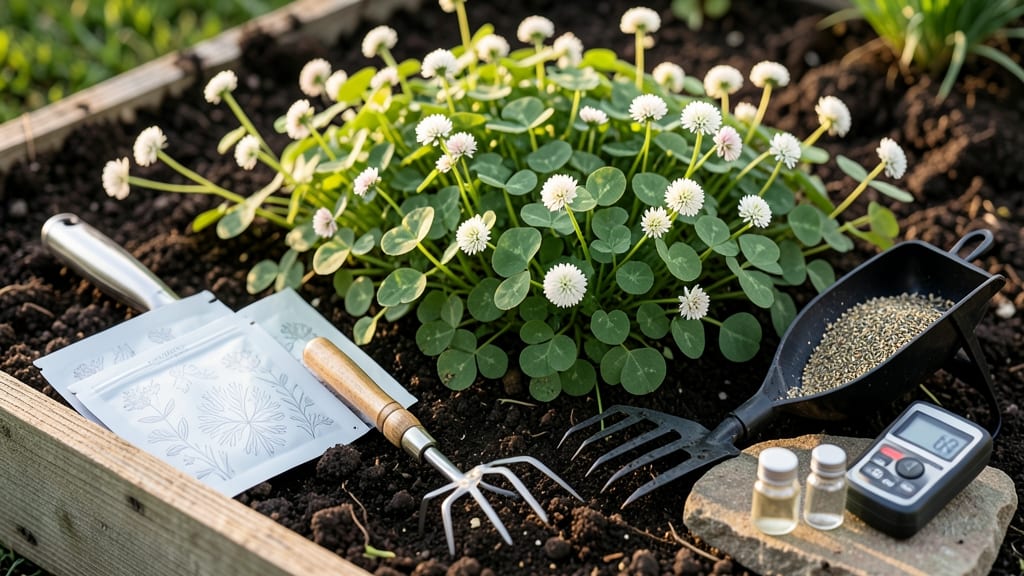
Planting clover in your lawn at the wrong time can mean the difference between a lush, green ground cover and a failed experiment. The best window to plant 🌱 clover is early spring or early fall, when soil temperatures are just right for germination and weeds haven't taken over yet.
If you're in the 6a zone or similar climates, aim for March or September—these months give clover the 6-8 weeks it needs to establish strong roots before summer heat or winter frost sets in.
Too early, and frost can damage tender seedlings; too late, and competition from grass will smother them before they get a chance to thrive.
Why does timing matter so much? Clover isn’t just a pretty addition to your lawn—it improves soil health, attracts pollinators, and outcompetes weeds. But if you plant it when conditions aren’t ideal, you’ll waste seeds and effort.
Let me show you exactly how to time it right for your climate and get the most out of your lawn.
Whether you’re new to clover or a seasoned gardener, these simple steps will help you avoid common mistakes—like planting in summer heat or skipping soil prep—and set your lawn up for success. Ready to transform your yard into a thriving ecosystem? Let’s get started.
Best months to plant clover by u.s. climate zone
Planting clover at the right time ensures strong establishment and a lush, low-maintenance lawn. The best window depends on your USDA climate zone and whether you're growing cool-season white Dutch clover or warm-season microclover.
In Northern regions, aim for early spring or early fall when soil temperatures hover between 50°F and 70°F. Southern zones can extend planting into late fall or even winter, avoiding summer heat stress.
Clover thrives in moderate temperatures—too cold or too hot slows germination. For example, in Zone 5 or colder, plant white Dutch clover in April or September to avoid frost damage.
In Zone 8 and warmer, microclover can handle October or November plantings, benefiting from winter rains. Always check your last frost date to time plantings 4-6 weeks before or after.
Here’s a quick guide to help you pick the perfect planting window for your region:
In Northern zones (3-5), focus on white Dutch clover for its hardiness. Plant in early spring (April) when soil warms to 50°F—this gives seeds time to germinate before summer drought.
A fall planting in September also works well, as cooler temps reduce weed competition. Avoid planting in late summer, as heat stress can kill young seedlings.
For Transition zones (6-7), both white Dutch clover and microclover succeed. Extend your planting window to March or October to take advantage of mild temperatures. Microclover, in particular, tolerates partial shade, making it ideal for lawns with tree canopy. Always test soil moisture before planting—dry conditions slow germination.
Southern gardeners in Zones 8-10 should prioritize microclover, which thrives in warm winters. Plant in October or November to let winter rains establish roots before summer heat arrives. Unlike white Dutch clover, microclover doesn’t go dormant in winter, so it stays green year-round—perfect for low-maintenance lawns.
One common mistake is planting clover in summer months, when high temperatures and dry soil create stress. If you miss your ideal window, late fall (November) can still work in mild climates, but cover seeds with straw mulch to protect them from frost.
Always mow high (3–4 inches) after planting to encourage clover growth over grass.
Pro tip: Use a lawn spreader for even coverage, and lightly rake soil to expose seeds to sunlight. Water daily for 2 weeks to keep soil moist but not soggy—this critical step ensures 90% germination rates.
With the right timing and care, your clover lawn will thrive for years with minimal effort.
Ready to transform your lawn? Start by checking your USDA zone and marking your calendar for the best planting months. Your future self (and pollinators!) will thank you.
Best months to plant clover by u.s. climate zone
Timing your 🌱 clover planting depends entirely on your USDA hardiness zone and whether you’re growing cool-season or warm-season varieties. In Northern zones (3-5), aim for early spring (March-April) or early fall (September-October) to avoid frost damage.
Southern regions (7-10) can plant in late winter (February) or late summer (August) when soil stays warm.
For transition zones (6-7), like my Zone 6a garden, March and September are ideal—giving clover 6-8 weeks of growth before summer heat or winter dormancy.
Too early, and frost will kill seedlings; too late, and competing grass wins. Let’s break down the best months by region to maximize your clover’s success.
🌱 Best Planting Months by Zone
| Zone | Cool-Season Clover (White Dutch) | Warm-Season Clover (Microclover) | Soil Temp for Germination |
|---|---|---|---|
| 3-5 (Cold) | March-April, Sept-Oct | Not recommended | 50-65°F |
| 6-7 (Transition) | March-April, Sept-Oct | Feb, Aug-Sept | 55-70°F |
| 8-10 (Warm) | Feb, Sept-Oct | Jan-Feb, Aug-Sept | 60-75°F |
*Microclover thrives in warmer climates but can struggle in frost-prone zones.
In my Zone 6a garden, I’ve found that September planting gives clover roots time to establish before winter, while March planting avoids summer drought stress. For Southern zones (8-10), February is perfect—soil warms quickly, and summer rains help germination.
Always check your last frost date (like my April 15 deadline) to avoid planting too early.
Pro tip: Test your soil temperature with a thermometer—ideal germination range is 55-70°F. If it’s cooler, wait; if warmer, your seeds may dry out before sprouting. I use a cheap soil thermometer from the garden center to double-check before planting.
After planting, keep soil consistently moist (not soggy) for 4-6 weeks—this is when clover’s roots establish. In dry climates, mulch lightly with straw to retain moisture. Once established, clover is drought-tolerant, but young seedlings need consistent care to outcompete weeds.
Remember: Fall planting often yields better results than spring because cooler temps reduce weed competition. In my experience, clover planted in late September was lush by spring, while spring-planted clover struggled with summer heat. Adjust your timing based on your local climate—your lawn will thank you!