
Plants
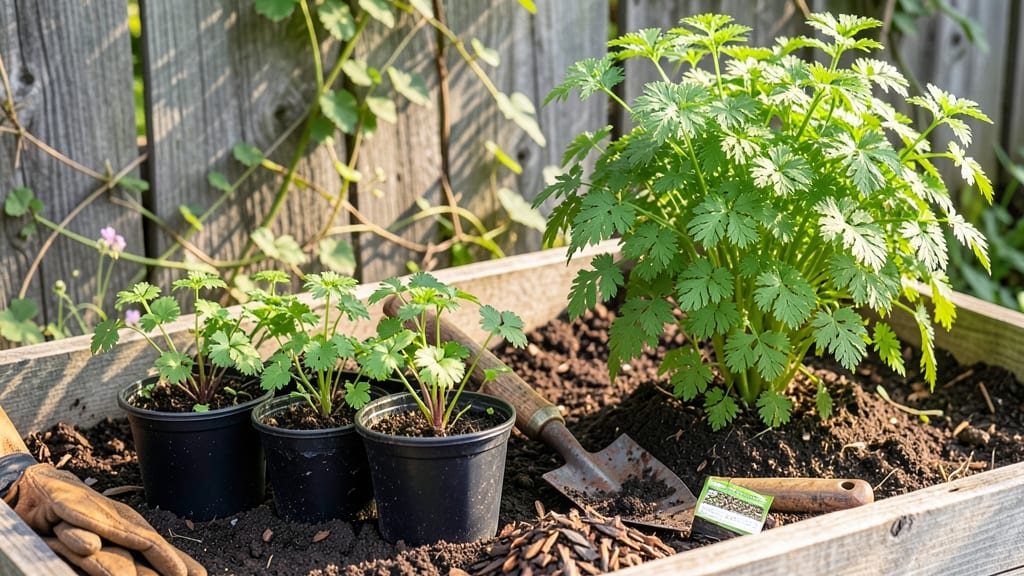
If you’ve ever planted cilantro in Oregon only to watch it bolt into flower before you can harvest a single leaf, you’re not alone. The key to success lies in timing—especially when coastal fog and inland heat play such different roles in your garden’s microclimate.
Oregon’s USDA Zones 7b-9a offer two prime windows for cilantro: spring and fall, but getting the schedule right means avoiding the summer heat that triggers bolting. Whether you’re in Portland’s mild climate or the high desert near Bend, I’ll break down exactly when to sow seeds for zero bolt failures.
You’ll discover how to stretch your harvest from May to November by leveraging Oregon’s unique seasons. No more wasted effort—just lush, flavorful cilantro 🌿 that stays fresh longer. Let’s dive into the perfect planting calendar for your region.
From soil prep to shade strategies, I’ll cover everything you need to know to keep your cilantro thriving. Ready to grow cilantro that actually lasts? Let’s get started.
Oregon’s cilantro planting zones: coastal vs inland timing breakdown
Oregon’s diverse climate—from coastal fog belts to inland desert valleys—creates wildly different growing conditions for cilantro. In USDA Zones 8-9b, your planting window can shift by 4-6 weeks between Astoria and Bend. Let’s break down the optimal planting months for each microclimate to avoid bolting and maximize harvests.
Coastal Oregon (Astoria, Cannon Beach) enjoys milder summers and cooler winters, allowing cilantro to thrive year-round with succession planting. Inland areas (Bend, Redmond) face hotter summers and earlier frosts, demanding precise timing.
Portland and the Willamette Valley fall somewhere in between, with moderate heat that still stresses cilantro.
For all regions, soil temperature is critical—cilantro germinates best in 60-70°F soil. Coastal soils stay cooler longer, while inland soils heat up faster in spring.
Aim for March-April for spring plantings and August-September for fall crops, but adjust based on your last frost date (typically mid-April inland, late April coastal).
| Region | USDA Zone | Spring Planting Window | Fall Planting Window | Key Risk |
|---|---|---|---|---|
| Coastal (Astoria, Cannon Beach) | 8b-9a | February-March (soil warms slowly) | August-September (longer harvest) | Fungal diseases from humidity |
| Willamette Valley (Portland, Eugene) | 8a-8b | March-April (after last frost) | Late August-September | Heat stress in June |
| Inland (Bend, Redmond) | 7b-8a | April-May (soil must warm) | July-August (quick harvest) | Bolting from summer heat |
In coastal Oregon, you can push spring plantings into February if you use row covers to protect young seedlings from chilly coastal winds. The Willamette Valley offers a 6-week window between frost dates, perfect for succession planting every 2-3 weeks to keep cilantro growing.
Inland gardeners should avoid June plantings—temperatures above 80°F trigger bolting within 10-14 days.
For fall harvests, coastal regions can extend cilantro into October-November thanks to milder nights, while inland areas must plant by mid-August to harvest before first frost (typically mid-October).
Use shade cloth in summer to lower soil temps by 10-15°F, giving cilantro a fighting chance in Zone 7b areas like Bend.
Pro tip: Test your soil temperature before planting—cilantro seeds won’t germinate below 55°F. Use a soil thermometer ($10 at garden centers) to confirm readiness. Inland gardeners should plant in raised beds, which warm up 2-3 weeks earlier than in-ground soil.
Remember: Cilantro’s heat tolerance is directly tied to daylight. Longer summer days (15+ hours) accelerate bolting, while shorter fall days (10-12 hours) keep plants happy. Time your plantings to align with daylight changes, not just calendar months.
If you’re in Transition Zone 8a (like Salem or Corvallis), split the difference: plant early March for spring and late August for fall. This balances frost risk and heat stress for consistent harvests.
🌿 For coastal gardeners, prioritize succession planting every 3 weeks from February to September—this ensures fresh cilantro year-round. Inland growers should focus on fall crops and cool-season varieties like ‘Calypso’, which bolts 30% slower than standard types.
5 Pro tips to prevent cilantro bolting in Oregon’s climate
Oregon’s mild summers and cool coastal breezes create perfect conditions for cilantro—until the heat arrives. Bolting (when cilantro flowers prematurely) turns your fresh herb into bitter stalks faster than you can say "salsa."
The key to success? Strategic planning and a few proactive tweaks that keep your cilantro happy and harvestable all season.
I’ve grown cilantro in both Portland’s Willamette Valley and coastal Astoria, and the difference in timing and care is night-and-day. While coastal areas stay cooler longer, inland zones like Bend can hit 90°F+ temperatures by early June—cilantro’s worst nightmare.
Here’s how to outsmart the heat and extend your harvest window.
- 📅 Plant in succession every 2-3 weeks from March to early June for a rolling harvest. Use shade cloth (30-50%) over summer plantings to reduce heat stress.
- 🌿 Choose slow-bolting varieties like ‘Santo’ or ‘Calypso’. These stay fresh 10-14 days longer than standard types in Oregon’s heat.
- 💧 Water deeply in the morning (1 inch per week) and mulch heavily with straw to retain moisture. Dry soil = bolting trigger #1.
- ☀️ Avoid full-sun spots. Even 4-6 hours of morning sun with afternoon shade works best for Oregon’s climate.
- ⏰ Harvest aggressively—pinch back outer leaves regularly to encourage bushier growth. This delays flowering by 2-3 weeks.
Let’s start with succession planting, my favorite trick for Oregon gardeners. Instead of one big cilantro patch that bolts all at once, stagger your plantings every 2-3 weeks from March through early June.
This ensures you always have fresh leaves while older plants bolt. For summer plantings (August-September), use 30-50% shade cloth to block the worst heat—trust me, your cilantro will thank you.
Variety selection makes a huge difference. Standard cilantro bolts within 30-45 days in Oregon’s summer heat, but slow-bolting varieties like ‘Santo’ or ‘Slow Bolt’ can stretch that to 60+ days.
I order seeds from Territorial Seed Co. (they ship region-specific packets), and their ‘Calypso’ variety has been my go-to for years. These varieties are bred to handle warmer temperatures better, giving you more time to enjoy that fresh cilantro flavor.
Don’t underestimate the power of consistent moisture. Cilantro has shallow roots, so it’s extremely sensitive to drought stress. Water deeply in the morning (1 inch per week) and apply a 2-inch layer of mulch around plants to lock in moisture.
I’ve seen cilantro bolt in 48 hours after a dry spell—so keep that soil consistently damp, not soggy. A drip irrigation system set on a timer is a game-changer for busy gardeners.
One mistake I see all the time is planting cilantro in full sun. While it loves light, Oregon’s summer sun can be too intense, especially in inland areas. Aim for morning sun only (6 AM–12 PM) with afternoon shade from nearby plants or a lattice screen.
If you’re in a hot inland zone, even partial shade (like under a tree or trellis) can add 2-3 weeks to your harvest window.
Finally, harvest like a pro. The more you pinch back outer leaves, the bushier your cilantro grows—and the longer it takes to bolt. I harvest every 5-7 days, cutting just above a leaf pair to encourage new growth.
This simple habit can delay bolting by 2-3 weeks in Oregon’s climate. Plus, you’ll always have fresh cilantro for your favorite recipes! 🌿