
Plants
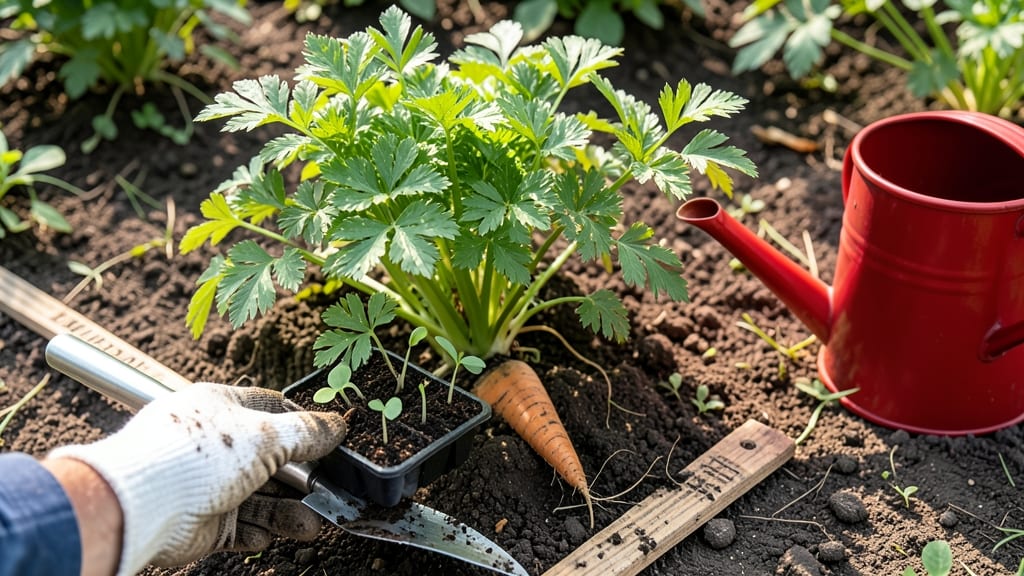
Planting carrots in Kentucky at the wrong time can turn your crisp, sweet dreams into woody, bitter disappointments—and the difference between success and failure often comes down to timing.
Whether you're a first-time gardener or a seasoned Bluegrass State grower, knowing when to plant your 🥕 is the secret to a bountiful harvest.
In zones 6a-7b, where Kentucky falls, the ideal window for planting carrots opens in early spring (March-April) and late summer (July-August). Too early, and frost will nip those tender seedlings before they sprout.
Too late, and summer’s heat will leave you with tough, stringy roots instead of the tender treats you’re craving.
But here’s the good news: with the right strategy, you can stretch your carrot-growing season to enjoy fresh harvests from late spring through fall.
I’ll break down exactly when to plant, how to prep your soil, and even how to cheat the Kentucky climate for year-round success—so you’re never without homegrown carrots.
Let’s dive into the frost-free timeline that’ll have your garden producing sweet, crisp carrots all season long—no guesswork required.
Kentucky carrot planting calendar: exact dates by region
Getting your carrots in the ground at the right time is critical in Kentucky’s USDA Zones 6a-7b. The difference between a crisp, sweet harvest and a woody, bitter mess often comes down to planting within the 50°F soil temperature window and avoiding late frosts.
Here’s your region-specific guide to timing those seeds perfectly.
Most Kentucky gardeners focus on two planting windows: early spring (March–April) for summer harvests and late summer (July–August) for fall crops.
However, your exact dates depend on whether you’re in Northern KY (like Louisville) or Southern KY (like Bowling Green), where last frost dates can vary by two weeks or more.
🚨 PRO TIP: Always check your local Almanac’s frost forecast or use a soil thermometer—carrot seeds won’t germinate well below 50°F, even if the air feels warm. A cold soil is the #1 reason for poor germination in Kentucky gardens.
For Northern Kentucky, like Louisville and Lexington, aim to plant your carrot seeds between March 20 and April 15 for spring crops. This window ensures your soil has warmed to at least 50°F and gives you a 90-day harvest window before summer heat sets in.
If you’re in a microclimate (like a north-facing garden bed), wait until April 1 to avoid frost damage.
In Southern Kentucky, such as Bowling Green, you can push your spring planting two weeks earlier—start as early as March 25—thanks to warmer soils. However, avoid planting before March 15, even in the south, because unpredictable late frosts can still occur.
I’ve seen 30°F nights in early March near the Cumberland Plateau, which will kill tender seedlings.
🌱 VARIETY TIP: For summer heat tolerance, choose short-day varieties like ‘Nantes’ or ‘Paris Market’ when planting in July–August. These types mature faster in 90°F+ temperatures and resist bolting (going to seed) better than traditional Danvers carrots.
One mistake I see often is planting too densely when trying to squeeze in a second crop. Carrots need 2–3 inches of space to grow straight—crowding leads to forked roots and poor yields.
Instead, use succession planting: sow half your seeds every 2 weeks from March through May for a continuous harvest.
💧 WATERING ALERT: After planting, keep the soil consistently moist (but not soggy) until seeds germinate (10–14 days). Once sprouted, reduce watering slightly to 1 inch per week—overwatering causes rot, while underwatering leads to woody roots. Mulch with straw to retain moisture and suppress weeds.
For fall planting, Kentucky gardeners can extend the season by sowing September 1–15 for a winter harvest. Choose cold-hardy varieties like ‘Purple Haze’ or ‘Chantenay’ and protect seedlings with row covers if temperatures dip below 40°F.
I’ve harvested crisp carrots in December using this method in Lexington’s Zone 6b.
📅 REMINDER: Mark your calendar for July 15–August 10 if you want a fall crop. This
How to extend Kentucky’s carrot growing season for year-round harvests
Kentucky’s mild winters and hot summers make year-round carrot production possible with the right strategies. While most gardeners focus on spring planting, fall and winter harvests can be just as rewarding—if you time it right. The key is avoiding heat stress in summer and protecting seedlings from frost in winter.
For fall planting (September–October), aim to harvest before the first hard frost (mid-October in Kentucky). Carrots planted too late may not mature before winter sets in.
Meanwhile, winter protection methods like row covers and cold frames let you extend harvests into early spring. Let’s break down the best approaches for your Kentucky garden.
🌱 5 Key Strategies for Extended Carrot Harvests
- Fall Planting (Sept–Oct): Sow cold-hardy varieties like ‘Danvers’ or ‘Chantenay’ 8–10 weeks before first frost for mature roots.
- Row Covers: Use floating row covers to protect seedlings from light frosts (28–32°F) and extend harvests by 4–6 weeks.
- Cold Frames: Build or buy a low-profile cold frame to trap heat and grow carrots through winter months (Dec–Feb).
- Succession Planting: Sow new seeds every 2–3 weeks in late summer/fall to ensure a continuous harvest.
- Mulching: Apply straw or leaves (4–6 inches) to insulate soil and prevent freezing, keeping roots edible longer.
When planting for fall harvests, choose varieties with shorter maturity times (50–60 days). ‘Early Nantes’ or ‘Paris Market’ are excellent choices—they mature quickly and tolerate cooler temperatures. Avoid long-season varieties like ‘Imperator’; they won’t have time to bulk up before winter.
Row covers are your best friend for winter protection. Lightweight, breathable fabric (like Agribon 15) lets sunlight through while shielding plants from 20–25°F temperatures. Secure the cover tightly around the bed edges to prevent wind damage. For even more protection, add a hoop structure to create a mini greenhouse effect.
If you’re ambitious, cold frames can push your harvests into early spring. These low, glass-covered boxes trap heat during the day and release it slowly at night.
Place them in a south-facing location for maximum sunlight exposure. Just be sure to ventilate on warm days to prevent overheating—carrots hate soggy soil!
Don’t forget succession planting! By sowing new seeds every 2–3 weeks from July through September, you’ll have a steady supply of fresh carrots. This works especially well with short-day varieties, which mature faster in cooler fall weather.
Pair this with mulching to keep soil temperatures stable and roots crisp.
With these strategies, you can enjoy homegrown carrots from September through March—no greenhouse required! Just remember: soil prep is critical. Loosen clay-heavy Kentucky soil with compost before planting, and always water deeply but infrequently to prevent forking. Happy growing! 🥕