
Plants
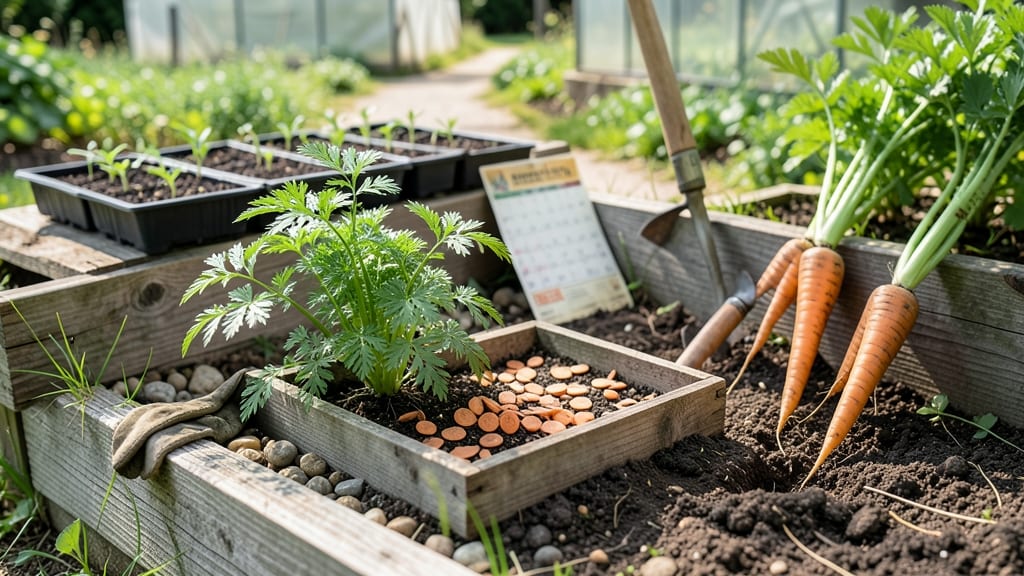
Planting your 🥕 carrot seeds at the wrong time in Zone 7 could mean the difference between a garden full of sweet, crisp roots and a bitter disappointment of bolted greens. The key to success lies in understanding the exact planting windows that keep your carrots happy and thriving.
In Zone 7, the ideal time to plant carrot seeds is during the cool months of early spring and late summer. This timing helps avoid the heat stress that causes bolting, ensuring your carrots grow straight and delicious instead of flowering prematurely.
But here's the thing: not all Zone 7 climates are created equal. Coastal areas may have milder winters, while inland regions face hotter summers. I'll show you how to adjust your planting schedule based on your specific microclimate for the best results.
Let's dive into the exact months you should be planting, along with soil temperature tips and post-planting care to guarantee a bountiful harvest of perfect carrots all season long.
Best planting months for carrot seeds in Zone 7 to prevent bolting
Getting your carrot seeds in the ground at the right time in Zone 7 is the secret to avoiding bolting—that bitter, woody taste that ruins your harvest.
Carrots thrive when soil temperatures stay between 50°F and 85°F, but push above 80°F, and they’ll bolt faster than you can say "sweet root." Here’s the exact schedule to grow crisp, flavorful carrots all season long.
In Zone 7, your best bets are early spring and late summer plantings. Spring gives you a head start on cool weather, while fall lets you harvest before winter sets in.
But timing isn’t just about months—it’s about soil temperature, daylight hours, and even your local microclimate. Let’s break it down so you can plant with confidence.
Soil temperature is your #1 priority. Carrot seeds need 45°F to 85°F to germinate, but once sprouted, they’ll bolt if soil heats above 80°F. In Zone 7, that means avoiding June and July plantings unless you use shade cloth. For the sweetest roots, aim for March-April or August-September windows.
Here’s a quick reference for your planting calendar, including soil conditions and temperature thresholds to keep your carrots happy and bolt-free:
| Planting Window | Ideal Soil Temp (°F) | Daylight Hours | Harvest Window | Key Tip |
|---|---|---|---|---|
| Early Spring (Feb–March) | 50–65°F | 10–12 hrs | June–July | Use row covers if frost threatens |
| Late Spring (April–May) | 60–75°F | 13–15 hrs | July–August | Plant shade-tolerant varieties like 'Danvers' |
| Late Summer (August–September) | 65–75°F | 12–13 hrs | October–November | Avoid bolting with afternoon shade |
| Fall (October) | 50–60°F | 10–11 hrs | December–January | Use cold-hardy varieties like 'Nantes' |
For spring plantings, start seeds indoors 4–6 weeks before your last frost date (around March 15 in Zone 7). Transplant seedlings outdoors when soil reaches 50°F—cold soil slows germination and can lead to forked roots.
If your soil warms too quickly, use shade cloth to keep temps below 80°F.
If you’re planting in late summer, focus on succession sowing every 2–3 weeks from August through September. This gives you a staggered harvest and reduces the risk of bolting. Choose short-day varieties like 'Paris Market' or 'Little Finger'—they mature faster and handle heat better than long-day types.
One common mistake is planting too late in spring. By June, daytime temps often exceed 85°F, triggering bolting. Instead, opt for shade cloth or plant in partial shade (though carrots need 6+ hours of sun daily). For extra protection, mulch with straw to keep soil cool and moist.
In Zone 7’s coastal areas, like near the Chesapeake Bay or Outer Banks, you can push spring plantings slightly later due to moderating ocean breezes. Inland areas, however, may need to start seeds 2 weeks earlier to account for faster soil warming.
Always check your local USDA Plant Hardiness Zone map for microclimate nuances.
Pro tip: Test your soil’s pH (6.0–7.0) and nitrogen levels before planting. Carrots need phosphorus-rich soil for sweet roots—add compost or a 5-10-10 fertilizer at planting time. Avoid fresh
How to adjust planting times for longer harvest seasons in Zone 7
Extending your carrot harvest in Zone 7 isn’t just about planting once—it’s about strategic timing and smart techniques. By using succession planting and row covers, you can enjoy crisp carrots from early summer through fall without the bitter taste of bolting.
The key is breaking free from the traditional single planting window and spreading out your efforts.
Carrots thrive in cool soil temperatures (50–75°F), but summer heat triggers bolting. In Zone 7, where last frost averages mid-March and first frost arrives around mid-November, you’ve got a 180-day window to work with.
The trick is to stagger plantings every 2–3 weeks, starting 2–3 weeks after your last frost date and ending by early August.
Sow seeds 2–3 weeks after last frost. Use row covers if nights are still chilly to maintain soil temps below 75°F.
Plant every 2–3 weeks in partial shade (use shade cloth if temps exceed 80°F) to avoid bolting.
Choose bolting-resistant varieties like 'Danvers' or 'Nantes' and plant in well-drained soil with drip irrigation.
Sow seeds 8–10 weeks before first frost. Use mulch to insulate soil and protect from early cold snaps.
For coastal Zone 7 areas, where summers are milder, you can push late plantings into early September. Inland regions, however, should stop by mid-August to avoid heat stress. Always test your soil temperature with a soil thermometer—ideal germination temps are 60–70°F.
Another game-changer is using row covers or shade cloth during peak summer months. These create a microclimate that keeps soil temps down and humidity up, delaying bolting by 3–4 weeks. Just remember to remove covers during harvest to avoid damaging the tops.
Pro tip: Interplant carrots with radishes (which mature faster) or lettuce to maximize space. Radishes will signal when it’s time to thin your carrots, giving you a clear harvest window every 4–6 weeks.
With these adjustments, you’ll enjoy a continuous harvest from June through November—no more sad, bolted carrots ruining your dinner plans! 🥕