
Plants
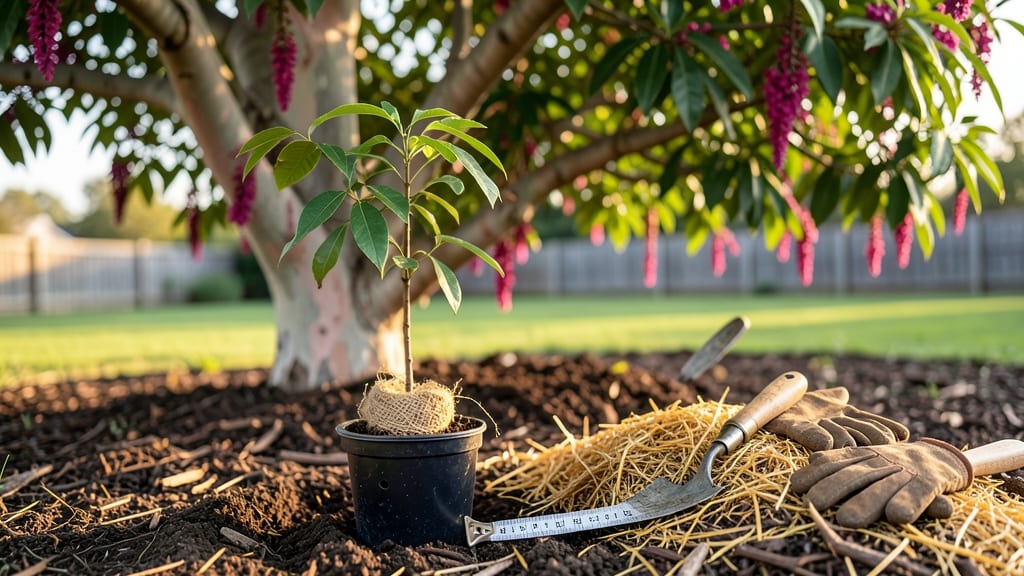
Planting your 🌸 crape myrtle at the wrong time in Oklahoma’s shifting climate can turn your dream shrub into a sad, stunted mess—but getting the timing right unlocks a stunning blooming season that lasts all summer.
Most gardeners in USDA zones 6b-7a assume spring is the only option, but fall planting actually gives roots a head start before winter. The key is avoiding late frosts (after March 15) and extreme summer heat, which can stress young plants before they establish.
I’ll break down the best months for Oklahoma—spring’s late March to May window and fall’s September to October opportunity—plus soil prep secrets to ensure your crape myrtle thrives from day one.
Whether you’re starting from a container or transplanting a young tree, these timing tricks will help you skip the common mistakes and grow a crape myrtle that steals the show every year.
Best months to plant crape myrtles in Oklahoma: a climate-specific guide
Oklahoma’s variable climate—with its hot summers, unpredictable frosts, and diverse USDA zones 6b-8a—makes timing critical for crape myrtle success. These drought-tolerant shrubs thrive when planted during cooler months, but the wrong window can stunt growth or invite disease.
Let’s break down the ideal planting windows tailored to Oklahoma’s microclimates.
Crape myrtles need soil temperatures above 60°F to establish roots without stress. In Oklahoma, this typically aligns with late spring (April-May) or early fall (September-October).
Planting outside these windows—especially in summer’s scorching heat—can shock roots and reduce survival rates. Let’s explore why these months work best for your region.
🌱
| Planting Window | Soil Temp Requirement | Oklahoma Microclimate Fit | Key Benefit |
|---|---|---|---|
| Late April - Early May | 60°F+ | Zones 7a-8a (statewide) | Avoids late frosts; aligns with rainfall peaks |
| Mid-September - Early October | 55°F+ | Zones 7a-8a (elevations < 1,500 ft) | Cooler temps reduce transplant shock; roots establish before winter |
| Avoid: June-August | 90°F+ | All zones (statewide) | Root stress; higher disease risk from heat |
| Avoid: December-February | Below 50°F | Zones 6b-7a (northern OK) | Frost damage to tender roots; poor survival rates |
For spring planting, aim for late April to early May when Oklahoma’s average last frost date has passed (typically around March 15 in most zones). This window ensures your crape myrtle has 6-8 weeks of warm soil to establish roots before summer’s heat arrives.
In western Oklahoma, where temperatures rise faster, prioritize April planting to avoid early summer stress.
Fall planting in September-October offers a second chance for success. By this time, soil temperatures have cooled slightly, and rainfall increases in many regions, providing natural moisture for root growth.
Planting too late—after mid-October—risks exposing young roots to early winter frosts, especially in northern Oklahoma’s USDA Zone 6b.
Oklahoma’s eastern regions, like the Arkansas River Valley, often experience higher humidity and softer winters, making fall planting slightly more forgiving. Meanwhile, western Oklahoma’s drier climate demands extra mulching to retain moisture during both spring and fall plantings.
Always check your local cooperative extension service for microclimate-specific frost dates.
If you’re tempted to plant in summer (June-August), think twice. Oklahoma’s triple-digit temperatures can bake young roots, while high humidity creates ideal conditions for fungal diseases like powdery mildew.
Container-grown crape myrtles may survive summer planting if kept well-watered and shaded, but their growth will be stunted compared to spring/fall plantings.
For container planting, which allows earlier starts, transplant outdoors only after soil temperatures consistently stay above 60°F. Use a moisture meter to verify—crape myrtles despise waterlogged soil but need deep watering during establishment. In clay-heavy soils (common in eastern Oklahoma), amend with compost to improve drainage.
Pro tip: Mulch heavily (3-4 inches) after planting to retain moisture and regulate soil temperature. Use organic mulch like pine straw or shredded bark, keeping it 6 inches away from the trunk to prevent rot.
This is especially critical in Oklahoma’s windy western regions, where mulch helps protect roots from drying winds.
Remember, crape myrtles are native to the southeastern U.S., where they thrive in well-draining, slightly acidic soil. Oklahoma’s alkaline soils (common in the Panhandle) may need sulfur amendments to lower pH to 6.0-7.0. Test your soil before planting—this small step can double your success rate.
By choosing the right plant
How to prepare Oklahoma soil for crape myrtle planting: a step-by-step checklist
Crape myrtles thrive in well-draining, slightly acidic soil with a pH between 6.0 and 7.0. Oklahoma’s native clay-heavy soils in eastern regions and alkaline conditions across much of the state often need adjustments to create the perfect environment for these drought-tolerant beauties.
Without proper prep, your crape myrtle might struggle with root rot or nutrient deficiencies, stunting its growth and blooms.
Start by testing your soil’s pH and texture at least 4-6 weeks before planting. Many Oklahoma gardeners overlook this step, assuming their soil is "good enough"—but crape myrtles are fussy about drainage and won’t tolerate soggy conditions.
If your soil tests above 7.0, you’ll need to lower the pH using organic amendments like sulfur or peat moss. For clay soils, amendments are non-negotiable to prevent waterlogging.
Here’s your step-by-step checklist to prepare Oklahoma soil for crape myrtle planting, tailored to the state’s unique challenges:
Use a soil pH test kit to check alkalinity. Oklahoma soils often test 7.5-8.5. Aim for 6.0-7.0 for crape myrtles.
For clay-heavy soils, mix in 2-3 inches of compost or sandy loam to improve aeration. Eastern OK gardeners should add perlite or coarse sand.
If pH is above 7.0, apply elemental sulfur (1 lb per 100 sq ft) or peat moss to lower it gradually. Retest in 4 weeks.
Make the hole twice as wide as the root ball but no deeper. Loosen the sides to encourage root spread into amended soil.
Fill the bottom of the hole with a 2-inch layer of compost or well-rotted manure to provide nutrients without compacting roots.
Apply 3 inches of mulch (pine straw or shredded bark) around the base, keeping it 6 inches from the trunk to prevent rot.
One of the biggest mistakes Oklahoma gardeners make is skipping soil amendments because they assume their crape myrtle will adapt. But in alkaline or compacted soil, these trees become stressed, leading to poor blooms or early leaf drop.
For example, in Tulsa or Oklahoma City, where soils are often 7.5+ pH, I’ve seen crape myrtles fail to thrive until sulfur was added. Test first, amend second—it’s the only way to guarantee success.
After preparing your soil, plant in early spring (April) or fall (September) when temperatures are mild. Water deeply once a week for the first month to help roots establish in the amended soil.
Avoid planting in summer heat, as Oklahoma’s 100°F+ temperatures can shock young roots, even in perfect soil.
With the right soil prep, your crape myrtle will reward you with vibrant blooms and lush foliage for years. The key is mimicking its native sandy loam conditions—even in Oklahoma’s clay or alkaline soil. Start with these steps, and you’ll set your crape myrtle up for long-term success.