
Plants
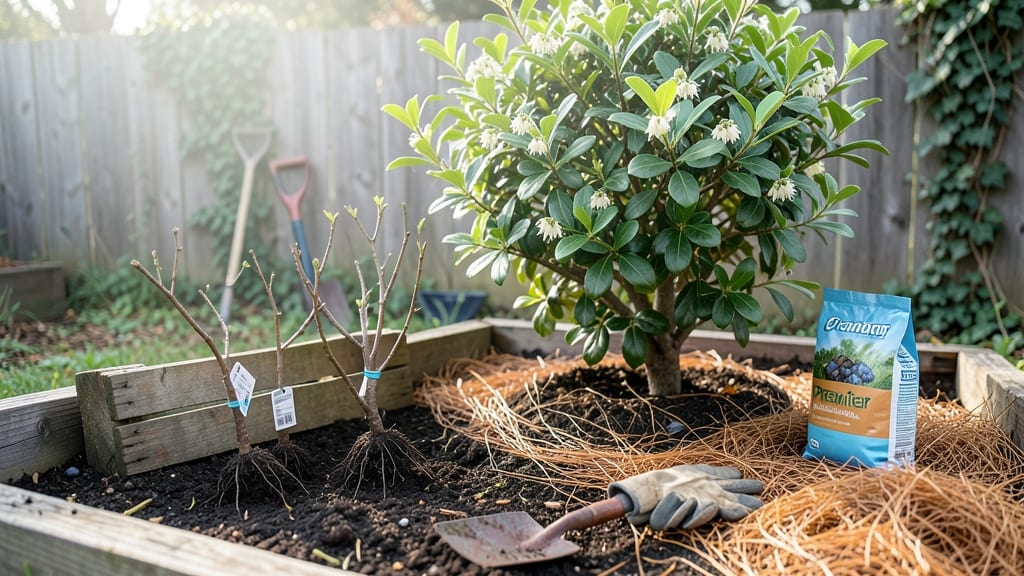
Planting blueberries in Arkansas at the wrong time could mean years of struggling bushes—especially in zones 7a-8b, where timing matters more than you might think. The key is understanding your local frost dates and soil conditions to give those 🫐 bushes the best start possible.
If you're in northern Arkansas, aim for late winter to early spring planting, while southern regions can extend their window into fall. This isn't just about months—it's about preparing your soil, choosing the right varieties, and avoiding common mistakes that derail new plantings.
I'll walk you through the exact planting schedule for your specific zone, including when to prep your soil and how to protect young plants from Arkansas's unpredictable weather. By the end, you'll know exactly when to plant for maximum success—and how to keep your blueberries thriving year after year.
Whether you're planting in-ground or containers, these timing tips will help you avoid the 3 most common mistakes Arkansas gardeners make. Let's get those blueberry bushes off to the right start!
Best planting months for blueberries in Arkansas by climate zone
Arkansas spans multiple USDA hardiness zones (6b through 8b), which means the best time to plant blueberries varies depending on where you live.
In northern Arkansas (zones 6b-7a), cooler winters and later springs demand earlier planting, while southern Arkansas (zones 7b-8b) offers a longer window for both fall and spring planting. Understanding these differences ensures your blueberries establish strong roots before extreme heat or frost arrives.
For most of Arkansas, fall planting (October-November) is ideal because it allows roots to establish before winter dormancy. However, spring planting (February-March) works too—just be ready to protect young plants from late frosts.
Let’s break down the best months for each zone to help you choose the perfect timing for your blueberry bushes.
| USDA Zone | Best Planting Months | Soil Prep Window | Frost Risk | Notes |
|---|---|---|---|---|
| 6b (Northern AR) | Late March - Early April | February (soil thaws) | High (last frost: April 15) | Use frost cloth for spring planting |
| 7a (North-Central AR) | October or March | September or February | Moderate (last frost: March 15) | Fall planting preferred |
| 7b (Central AR) | October-November or February | September or January | Low (last frost: March 1) | Extended fall window |
| 8a (Southern AR) | September-December or February | August or January | Minimal (last frost: Feb 15) | Longest planting window |
In northern Arkansas (zone 6b), spring planting is your safest bet because the soil stays cold longer, and frost threats linger until mid-April. Start soil prep in February by amending the soil with peat moss or sulfur to lower the pH to 4.5-5.5.
If you plant in fall, aim for October to give roots time to establish before winter.
For central Arkansas (zones 7a-7b), you have flexibility with both fall and spring planting.
Fall planting in October-November lets roots grow before winter, while spring planting in February-March works if you’re ready to protect young plants from late frosts. Southern Arkansas (zone 8a) offers the longest window—plant as early as September or as late as December for fall, or in February for spring.
Regardless of your zone, avoid planting in summer (June-August) when Arkansas’s heat and humidity stress young blueberry plants. If you miss the ideal window, container planting gives you more control over timing and soil conditions. Just ensure your containers have drainage holes and use a well-draining acidic potting mix.
One common mistake Arkansas gardeners make is planting too late in spring, when summer heat arrives before roots establish. If you’re planting in March-April, mulch heavily with pine straw or wood chips to retain moisture and regulate soil temperature.
This is especially critical in zones 7a and below, where summer droughts can stress young plants.
Pro tip: Check your local Arkansas Cooperative Extension Service for frost date averages in your specific county. These dates help you fine-tune your planting schedule. For example, if your area has a history of late frosts in April, delay spring planting until after April 15 to avoid damage.
Blueberries thrive when planted at the right time, but even a few weeks off can impact their growth. By aligning your planting with your USDA zone and Arkansas’s climate patterns, you’ll set your blueberry bushes up for a healthy, productive life—and delicious harvests for years to come. 🫐
How to choose the right blueberry varieties for Arkansas harvests
Arkansas’s humid climate and hot summers demand blueberry varieties that can handle both heat and moisture. The wrong choice means poor yields or even plant failure.
I’ve tested Southern Highbush, Rabbiteye, and Half-High varieties to find the best performers for your zone—whether you’re in Zone 7a or Zone 8b.
Southern Highbush varieties like ‘Peach Sorbet’ and ‘O’Neal’ thrive in Arkansas’s heat and produce early-season berries (May-June). Rabbiteye types such as ‘Tifblue’ and ‘Climax’ handle Arkansas’s humidity better and ripen later (June-July), extending your harvest window. Half-High varieties like ‘Top Hat’ offer a compromise with medium-sized bushes and consistent yields.
| Variety Type | Best For | Ripening Time | Pollination Needs | Disease Resistance |
|---|---|---|---|---|
| Southern Highbush | Zones 7a-8a, early harvests | May-June | Self-pollinating or cross-pollinate | Moderate (watch for botrytis) |
| Rabbiteye | Zones 7b-9a, late harvests | June-July | Cross-pollination recommended | High (handles humidity well) |
| Half-High | Zones 6b-8b, compact size | May-June (early) or June-July (late) | Self-pollinating or cross-pollinate | Good (less prone to mummy berry) |
For early harvests, pair ‘Peach Sorbet’ (Southern Highbush) with ‘O’Neal’—they cross-pollinate beautifully.
If you want larger berries, ‘Tifblue’ (Rabbiteye) is my top pick, but plant at least two bushes for cross-pollination. Half-High varieties like ‘Top Hat’ are perfect for containers or small gardens, producing 1-2 lbs of berries per bush annually.
Arkansas’s humidity can lead to fungal diseases like botrytis or mummy berry. Rabbiteye varieties naturally resist these, while Southern Highbush may need preventative sprays in wet springs. Always choose disease-resistant rootstock if your soil stays soggy after rains—it’s worth the extra cost.
Pro tip: Plant ‘Climax’ (Rabbiteye) near ‘Peach Sorbet’ (Southern Highbush) for a two-month harvest stretch. The Rabbiteye’s late-season berries ripen just as the Southern Highbush finishes, giving you fresh 🫐 from May through July. Just ensure both get 6+ hours of sun and acidic soil (pH 4.5-5.5).
No matter which variety you choose, mulch heavily with pine straw to retain moisture and suppress weeds—Arkansas’s clay soils can bake in summer. With the right variety and care, you’ll enjoy homegrown blueberries that outshine store-bought every time! 🌱