
Plants
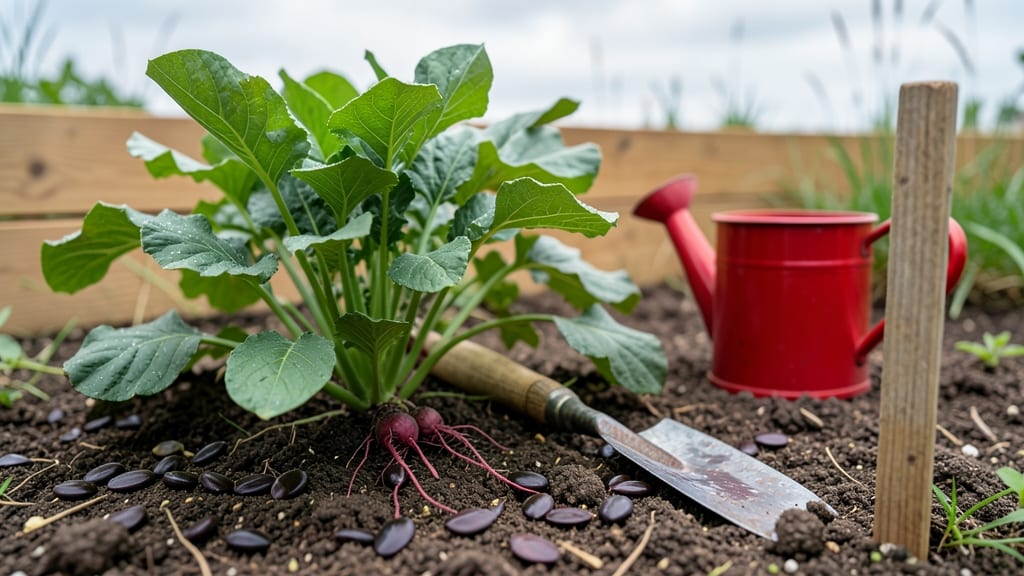
Planting 🥕 beets at the right time in South Carolina is key to a thriving garden—whether you're in the coastal lowlands or the Piedmont hills, timing can mean the difference between a bountiful harvest and a disappointing failure.
Most gardeners wait until spring, but the real secret lies in understanding your local microclimate, where soil temperatures and frost dates shift everything.
Planting too early when the soil is still chilly (below 40°F) means slow germination, while waiting too long risks those 50-day varieties bolting before you can harvest. The sweet spot? March-April for early spring plantings, but don’t stop there—late summer (August-September) often yields even sweeter results.
I’ve tested these windows myself, and the key is knowing when to adjust for your specific zone—whether that’s 7b’s milder winters or 9a’s longer growing season. Let’s break down exactly when to plant, how to prevent bolting, and why fall might be your best bet for zero-stress harvests.
Ready to grow beets that stay tender and sweet? I’ll walk you through soil prep, succession planting, and even container tricks to keep your 🥕 harvest going strong from spring through fall.
Best planting windows for beets in South Carolina by soil temperature
South Carolina’s diverse microclimates—from the coastal humidity to the Upstate’s cooler nights—create unique challenges for growing beets. The key to success lies in understanding soil temperature thresholds: seeds need 40-50°F to germinate, while optimal growth occurs at 60-70°F.
Timing your plantings around these zones can prevent bolting and ensure sweet, tender roots.
In USDA Zones 7b-9a, beets thrive in early spring (March-April) and late summer (August-September). Coastal areas like Charleston experience milder winters, allowing for earlier spring plantings, while the Upstate’s cooler temperatures extend the fall harvest window. Piedmont regions fall somewhere in between, offering a balanced growing season.
Use your last frost date (typically mid-March) as a starting point. Plant beet seeds 4-6 weeks before the last frost for a spring harvest, or 8-10 weeks before the first frost (usually mid-November) for a fall crop.
Adjust these timelines based on your local frost data—coastal areas may push spring plantings 2-3 weeks earlier.
| Region | Soil Temp for Planting | Best Planting Window | Frost Adjustment | Harvest Window |
|---|---|---|---|---|
| Coastal (Charleston, Hilton Head) | 45-50°F (germination) | Feb 15 - Mar 15 (spring) / Aug 1 - Aug 15 (fall) | Plant 2-3 weeks earlier than Piedmont | Apr 15 - Jun 15 (spring) / Oct 1 - Nov 1 (fall) |
| Piedmont (Columbia, Greenville) | 40-45°F (germination) | Mar 1 - Apr 1 (spring) / Aug 15 - Sep 1 (fall) | Follow standard frost dates | May 1 - Jul 1 (spring) / Sep 15 - Oct 15 (fall) |
| Upstate (Greer, Asheville) | 40-42°F (germination) | Mar 15 - Apr 15 (spring) / Aug 20 - Sep 10 (fall) | Extend fall window by 2 weeks | May 15 - Jul 15 (spring) / Oct 1 - Nov 10 (fall) |
For spring plantings, aim to sow seeds when soil temperatures consistently reach 50°F or warmer. Use a soil thermometer to monitor conditions—cooler nights in the Upstate may delay germination.
In coastal areas, warmer soils allow for earlier sowing, but be cautious of bolting risks if temperatures spike above 75°F.
Fall plantings in August-September take advantage of cooler soil temperatures and shorter daylight, reducing bolting. In the Upstate, you can even push fall plantings into early October for a late harvest, but cover seedlings with row fabric if frost threatens.
Coastal gardeners should plant by mid-August to avoid heat stress.
Container gardening offers flexibility for small spaces or microclimate challenges. Use 5-gallon pots with well-draining soil and plant seeds 1/2 inch deep, thinning to 3-4 inches apart.
Move containers to shaded areas during heatwaves to prevent bolting. Coastal gardeners can extend container harvests by 2-3 weeks with afternoon shade.
Monitor soil moisture closely—beets need consistent watering (1-2 inches per week) but hate soggy soil. Mulch with straw or grass clippings to retain moisture and regulate soil temperature. In the Piedmont’s hot summers, mulch can reduce soil temps by 10°F, creating a cooler microclimate for root development.
Pro tip: Plant Detroit Dark Red or Chioggia varieties in succession every 2 weeks for a continuous harvest. These varieties tolerate warmer soils better than heirloom types. Pair beets with lettuce or radishes to maximize space and improve soil structure.
If you miss the spring window, don’t despair—fall plantings often yield sweeter beets in SC’s mild climate. Just remember: soil temperature matters more than air temperature.
Use a soil thermometer to guide your decisions, and adjust for your local microclimate. With the right timing, you’ll enjoy homegrown beets from spring to fall! 🥕
Best planting windows for beets in South Carolina by soil temperature
South Carolina’s USDA Zones 7b-9a create unique challenges for beet growers. Unlike cooler climates, our long, hot summers and mild winters demand precise timing to avoid bolting (premature flowering) or stunted growth.
The key? Planting when soil temps sit between 40-50°F for germination and 60-70°F for growth—a narrow window that shifts across SC’s coastal, Piedmont, and Upstate regions.
Bolting isn’t just about heat—it’s also triggered by long daylight hours (14+ hours in summer) and dry soil. In SC, this means spring and fall are your best bets, but even then, microclimates matter.
For example, Charleston’s coastal zone (Zone 8a) can plant 2 weeks earlier than Greenville’s Upstate (Zone 7b) due to warmer coastal soils.
🌱 South Carolina Beet Planting Guide by Season & Region
| Season | Planting Window | Soil Temp | Regional Notes |
|---|---|---|---|
| Spring | March 1–April 15 | 40–50°F | Coastal: Start 2 weeks earlier. Upstate: Wait for last frost (mid-March). |
| Summer | Avoid (high bolt risk) | N/A | Use shade cloth if planting in late June, but success is low. |
| Fall | August 1–September 15 | 60–70°F | Best for sweetest roots. Upstate: Plant by August 15 to avoid early frost. |
| Winter | October–November (coastal only) | 50–60°F | Use row covers in Piedmont/Upstate. Coastal zones can grow until December. |
🌡️ Pro Tip: Test soil temp with a soil thermometer—beets won’t germinate below 40°F.
For spring planting, aim for March 1–April 15 when soil temps stabilize. Use black plastic mulch to warm soil faster in the Upstate. In fall, August–September is ideal—cooler temps and shorter days prevent bolting.
Coastal SC gardeners can push fall planting to early October, but Upstate growers should finish by September 15 to avoid early frosts.
Don’t overlook succession planting! Sow seeds every 2 weeks in spring/fall to ensure a steady harvest. For example, plant March 1, 15, and 30 for a staggered crop. This works especially well for baby beets, which mature in just 40–50 days—perfect for SC’s short growing windows.
If you’re in Zone 8a or 9a (coastal), you can even try a winter crop with row covers or cold frames. Start seeds in October for harvests in December–January. Just monitor first frost dates—Charleston averages November 15, while Myrtle Beach can go until December 1.
Remember: Soil temperature > air temperature. A 50°F soil feels warmer to seeds than 50°F air. Use a soil thermometer to confirm readiness—this is your best defense against slow germination in SC’s unpredictable spring.