
Plants
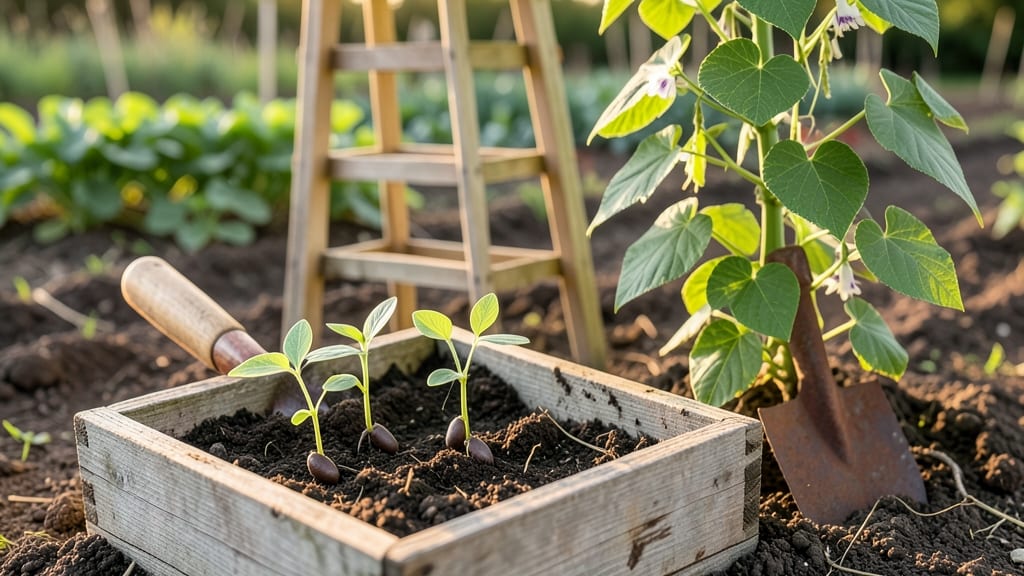
Planting 🌱 beans in Colorado isn’t just about checking a calendar—it’s about reading your local microclimate like a pro. The Front Range and high plains can have frost dates that differ by weeks, and getting it wrong means watching your seedlings turn to mush overnight.
Whether you're in Denver or the Western Slope, timing is everything for a harvest that stretches from July through September.
Most gardeners in USDA zones 5-7 wait until after the last frost—typically mid-April to mid-June—but that’s just the starting point. Soil temperature matters just as much: beans need 60°F+ to sprout, and cooler mountain valleys might need a head start with pre-sprouted seeds.
I’ve learned the hard way that rushing into the garden too early can turn your beans into a sad, stunted experiment.
Here’s the good news: with the right adjustments, you can push your planting window later or even start earlier in warmer microclimates. We’ll break down exactly when to plant in your specific corner of Colorado, from the 1,600-foot plains to elevations over 7,000 feet.
Plus, I’ll share my top tricks for beating Colorado’s unpredictable weather—because even the best-laid plans need a backup when Mother Nature throws a curveball.
Ready to turn your bean dreams into a real harvest? Let’s dive into the exact dates, soil prep secrets, and post-planting care that’ll make your beans thrive—no matter where you garden in the Centennial State.
Colorado bean planting dates by elevation: exact timing for lowland, foothill, and mountain regions
Colorado’s dramatic elevation shifts—from the Front Range’s 5,000-foot valleys to mountain communities at 10,000 feet—create wildly different planting windows for beans. Unlike lowland areas where last-frost dates arrive by mid-April, high-elevation gardens often wait until early June.
This guide breaks down precise planting schedules for your specific elevation zone, ensuring your beans thrive whether you’re in Denver, Colorado Springs, or Aspen.
Beans are warm-season crops that demand soil temperatures above 60°F and frost-free conditions. In Colorado, this means timing is everything—plant too early, and a late frost will kill seedlings; wait too long, and your harvest shrinks.
The key is aligning your planting with local frost data, microclimates, and heat-tolerant varieties suited to your elevation.
| Elevation Zone | USDA Zone | Last Frost Date | Planting Window | Best Varieties |
|---|---|---|---|---|
| Lowland (3,000–5,000 ft) | 6-7 | April 15–May 1 | April 20–June 1 | Black Turtle, Blue Lake |
| Foothills (5,000–7,000 ft) | 5-6 | May 1–May 15 | May 10–June 15 | Pinto, Romano |
| Mountain (7,000–9,000 ft) | 4-5 | May 15–June 1 | June 1–July 1 | Kidney, Anasazi |
For lowland areas like Denver or Colorado Springs (USDA zones 6-7), you can start planting bush beans after April 20, provided soil temperatures stay above 60°F.
Use row covers if late frosts linger, as even a 28°F dip can stunt young seedlings. Pole beans, which mature later, can be direct-sown until June 1 for a fall harvest.
In foothill regions (5,000–7,000 ft), such as Fort Collins or Manitou Springs, wait until May 10 to plant. These areas experience cooler nights and shorter growing seasons, so opt for faster-maturing varieties like pinto beans (50 days) or romano beans (55 days).
Extend your season by planting successive crops every 2 weeks until early July.
High-elevation gardens above 7,000 feet (USDA zones 4-5), like those in Aspen or Leadville, face the biggest challenges. Plant only after June 1, when soil warms sufficiently. Drought-resistant varieties like Anasazi beans thrive here, as do pole beans for vertical growth in shorter seasons.
Use black plastic mulch to accelerate soil warming by 5–10°F.
Regardless of elevation, soil preparation is critical. Beans prefer well-draining, slightly acidic soil (pH 6.0–7.0). Amend heavy clay soils with compost or sand to improve drainage. Before planting, mix in 1 inch of compost and a balanced fertilizer (5-10-10) to provide essential nutrients without burning roots.
If you’re unsure about your last-frost date, check local agricultural extension resources like Colorado State University’s frost maps. For example, Denver’s average last frost is April 20, but Aspen’s can be as late as June 1.
Adjust your planting by 2–3 weeks if your microclimate runs cooler than the average for your elevation.
For container gardening in high-elevation areas, start seeds indoors 4–6 weeks before your last frost and transplant after soil warms. Use 5-gallon pots for bush beans and tall trellises for pole beans. Place containers in south-facing spots to maximize sunlight, which is critical for bean production.
Remember, Colorado’s weather is unpredictable. Always have row covers or cold frames on hand to protect young plants from unexpected late-spring frosts.
How to adjust bean planting for Colorado’s unpredictable weather: frost, heat, and water strategies
Colorado’s unpredictable weather can turn a bean harvest from thriving to tragic in weeks. Late-spring frosts, sudden heatwaves, and dry spells demand smart adjustments. The key is flexibility—choosing the right varieties, protecting young plants, and managing water like a pro.
I’ve learned that pinto beans handle drought better than kidney beans, while pole beans need trellises to escape wind damage. Let’s break down how to outsmart Colorado’s whims.
First, soil temperature is your best early warning system. Beans won’t germinate well below 60°F. Use a soil thermometer to confirm—especially in high-elevation gardens where nights stay chilly longer.
If your soil isn’t ready, opt for container gardening with black pots to absorb heat faster. I’ve seen 3-week delays in germination when planting too early, so patience pays off.
⚠️ callout warning ⚠️
Colorado’s late-spring frosts (even in June!) can wipe out seedlings. Wait until soil is 60°F+ and check local frost-free dates—Denver’s average last frost is May 15, but mountain towns like Fort Collins can wait until June 1. Use row covers if you’re impatient, but remove them during the day to avoid overheating.
For drought-prone areas (hello, Western Slope!), mulching is non-negotiable. Spread straw or wood chips 3 inches thick to lock in moisture. I’ve seen pinto beans survive 30-day dry spells with this trick, while kidney beans wilted without it.
Pair this with drip irrigation—watering at the base reduces evaporation and fungal risks. Early morning watering (before 8 AM) gives roots time to absorb moisture before the sun blazes.
Heatwaves hit Colorado hard, and beans hate humidity. If temperatures soar above 90°F, provide afternoon shade with shade cloth (30-50% coverage). I’ve grown black turtle beans successfully in Pueblo’s heat by planting them near reflective mulch (white gravel) to bounce back sunlight.
Avoid overhead watering during heatwaves—it scorches leaves. Instead, water deeply every 2-3 days to encourage deep root growth.
Don’t underestimate wind protection. Colorado’s Chinook winds can snap young bean plants like toothpicks. Use windbreaks (corn stalks or bamboo fencing) or plant beans near tall sunflowers. I’ve lost entire rows of blue lake beans to wind—until I installed a trellis system with netting.
Pole beans thrive on trellises, saving space and reducing wind damage. For bush beans, stake individual plants with toothpicks for stability.
Finally, succession planting is your secret weapon. Instead of one big planting, stagger seeds every 2 weeks from May to July. This ensures a steady harvest and spreads risk if weather turns sour.
I’ve extended my harvest by 6 weeks using this method. Save seeds from your best plants for next year—drought-resistant varieties like ‘Rattlesnake’ beans adapt better to Colorado’s climate over time.