
Plants
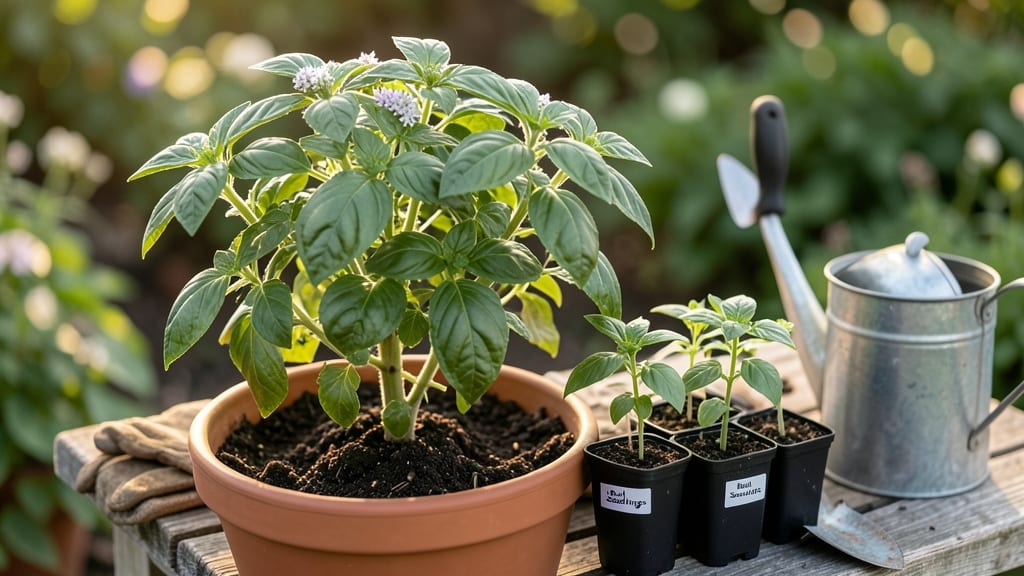
Timing your basil planting just right in California can make the difference between a flavorful harvest and a sad, wilted 🌿 disappointment—especially when coastal and inland climates demand completely different approaches.
Whether you're in frost-free San Diego or the hotter inland valleys, getting the window right ensures your basil thrives from seed to harvest.
Most gardeners in California's USDA Zones 9-11 assume they can plant basil anytime, but the truth is more nuanced. Coastal areas like Santa Barbara can start seeds in early spring, while inland regions like Sacramento should wait until soil warms to 50°F (10°C)—usually late winter or early spring.
Even the best basil varieties need the right conditions to avoid bolting or stunted growth.
I've learned the hard way that planting too early in cold inland valleys or too late in coastal foggy zones can ruin your crop. The key is understanding your microclimate's frost dates and heat patterns.
Let me walk you through the exact planting windows for your region, plus pro tips for starting seeds indoors or direct-sowing outdoors.
By the end, you'll know exactly when to plant basil in your specific corner of California—whether you're in Zone 10 coastal areas or the hotter Zone 9 inland valleys. Ready to grow basil that's lush, aromatic, and ready for harvest all season long?
Optimal basil planting dates in California: coastal vs inland regions
California’s diverse climate means basil planting dates can vary dramatically between coastal and inland regions. In coastal areas like San Francisco or San Diego, mild winters allow for year-round planting, while inland valleys like Sacramento or Fresno experience frost that can damage tender basil seedlings.
Understanding these differences is key to avoiding common mistakes like stunted growth or early bolting.
The last frost dates in California range from December to March in inland areas, while coastal regions rarely see frost at all. For basil success, aim to plant after soil temperatures consistently reach 50°F (10°C).
Inland gardeners should wait until March or April, while coastal gardeners can start as early as February in protected microclimates.
Here’s how to align your planting schedule with California’s regional climate zones:
| Region | Last Frost Date | Ideal Planting Window | Soil Temp Requirement | Key Cities |
|---|---|---|---|---|
| Coastal | Rare (Dec–Mar) | Feb–Nov (year-round) | 50°F+ (10°C) | San Francisco, San Diego, Santa Barbara |
| Inland Valleys | Dec–Feb | Mar–Oct (spring/fall) | 55°F+ (13°C) | Sacramento, Fresno, Bakersfield |
| Desert (Low Elevation) | Never | Year-round (avoid summer heat) | 60°F+ (16°C) | Palm Springs, Joshua Tree |
For coastal gardeners, February to April is prime time for direct sowing or transplanting basil seedlings. The mild coastal climate allows for a longer growing season, but watch for coastal fog, which can delay germination.
Inland areas should focus on spring (March–May) and early fall (September–October) to avoid summer heat stress or winter frost.
In Southern California, like Los Angeles or San Diego, you can even plant basil in late summer (August–September) for a fall harvest, taking advantage of the Mediterranean climate. However, avoid planting during peak summer heat (June–July), as temperatures above 90°F (32°C) can shock seedlings and cause bolting.
If you’re unsure about your local frost dates, check the USDA Plant Hardiness Zone Map for your area. Most of California falls in Zones 9–11, but microclimates—like urban heat islands or windy coastal bluffs—can shift your ideal planting window by 2–4 weeks.
For example, Sacramento (Zone 9) has a later last frost than San Francisco (Zone 10), so adjust accordingly.
Pro tip: Use row covers or greenhouses to extend your coastal growing season into winter months. Inland gardeners can try succession planting every 3–4 weeks from spring to fall for continuous harvests. Always monitor soil moisture, as basil hates soggy roots but wilts quickly in dry conditions.
For container gardening, coastal areas can grow basil year-round in pots, while inland gardeners should bring containers indoors during winter. Choose heat-tolerant varieties like Genovese or Thai basil for inland summers, and opt for Sweet basil in cooler coastal climates.
Remember: Basil thrives with consistency. Whether you’re in San Francisco or Sacramento, prioritize full sun (6+ hours), well-draining soil, and regular watering to keep your plants lush and flavorful. With the right timing, you’ll enjoy fresh basil from spring to fall—no wilted disappointment in sight!
How to extend your basil growing season in California’s climate
California’s diverse climate—from coastal fog to inland heat waves—can make growing basil a challenge if you don’t adapt. The key to a long harvest is strategic timing and protective measures. Whether you’re battling coastal chill or summer scorching, these techniques will keep your basil thriving year-round.
Basil is a tender annual that struggles with temperatures below 40°F (4°C) or above 90°F (32°C). In coastal areas, fog and slow soil warming delay growth, while inland valleys face sudden heat spikes that stress plants.
By combining indoor starts, season extenders, and succession planting, you can enjoy fresh basil from early spring to late fall.
- Start seeds indoors 6–8 weeks before your last frost date (use grow lights for 12–14 hours/day). Coastal gardeners can begin in late winter (February–March), while inland growers should wait until March–April.
- Use row covers or cloches to protect seedlings from coastal fog or late frosts. Remove covers during the day to prevent overheating.
- For heat stress, provide afternoon shade (use shade cloth) and mulch heavily to retain moisture. Inland gardeners should plant in partial shade during peak summer.
- Practice succession planting: Sow new seeds every 2–3 weeks from spring to early summer to ensure a continuous harvest.
- Troubleshoot bolting (premature flowering) by harvesting leaves regularly and avoiding temperature extremes. If plants bolt, pinch off flowers to redirect energy to leaves.
If you’re growing basil in coastal California, focus on protecting young plants from damp, chilly mornings. A simple clear plastic tunnel over seedlings can raise soil temperatures by 5–10°F and speed up germination.
In San Francisco or Santa Barbara, you can even plant basil in winter under row covers, though growth will be slower.
Inland areas like the Central Valley or Los Angeles Basin require a different approach: heat tolerance and water management. Basil thrives in spring and fall when temperatures hover between 60–80°F (15–27°C).
To extend the season, choose heat-tolerant varieties like Genovese or Spicy Globe, and water deeply in the early morning to prevent stress.
One common issue is stunted growth due to temperature swings. If your basil looks leggy or pale, it’s likely not getting enough sunlight (coastal fog blocks light) or is overheated (inland summers).
Move pots to a sunnier spot or use a reflective mulch to bounce light onto leaves. For container gardens, ensure pots have drainage holes to prevent root rot from overwatering.
With these strategies, you can enjoy fresh basil for months—even in California’s unpredictable climate. The secret? Adaptability. Whether you’re shielding seedlings from fog or shielding them from scorching sun, a little planning goes a long way. 🌱