
Plants
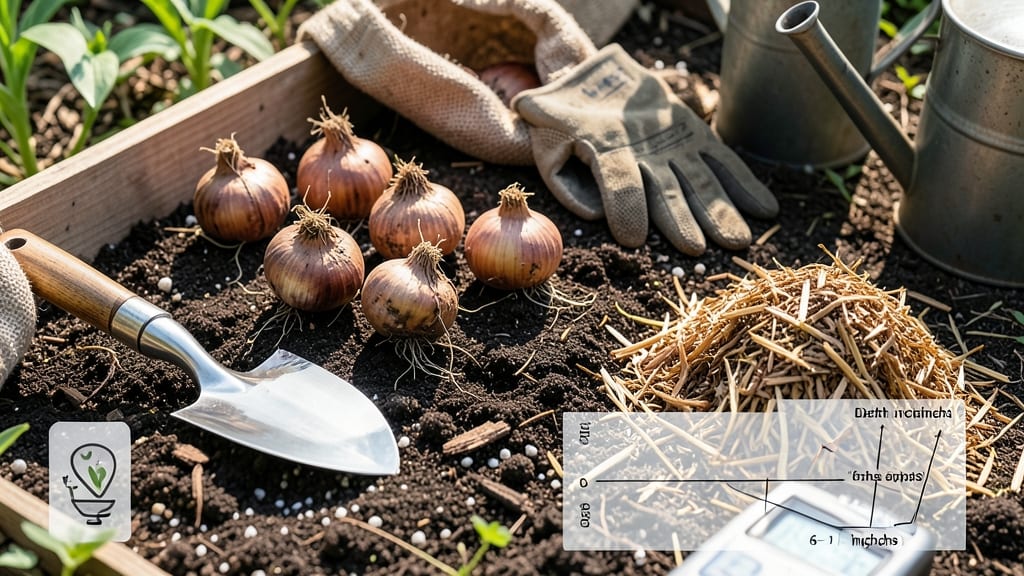
Timing when to plant Asiatic lily bulbs in spring just right can make all the difference between stunning summer blooms and disappointing flops. Plant too early, and you risk frost damage; too late, and those vibrant flowers might never appear.
The key lies in understanding your local climate and following a proven schedule that keeps your bulbs happy and ready to thrive.
For most gardeners in Zone 6a and similar regions, the ideal window opens after the last frost—typically around mid-April—but exact timing depends on soil temperature and heat zone.
I’ll walk you through the best practices to ensure your lilies get a strong start, whether you’re planting directly in the ground or pre-sprouting indoors for a head start.
Once you’ve nailed the planting window, proper care is just as critical. We’re talking consistent watering, smart mulching, and knowing when to step back and let nature do its work. Follow these steps, and you’ll be rewarded with bold, healthy blooms that steal the show from July through August.
Ready to transform your garden? Let’s dive into the exact timing, tricks, and care tips that’ll have your Asiatic lilies flourishing year after year—no guesswork required.
Best spring planting timeline for Asiatic lilies by USDA heat Zones
Timing your Asiatic lily bulbs correctly in spring is the secret to avoiding premature bolting—when the plant sends up flower stalks too early and weakens. Since these hardy perennials thrive in USDA Zones 3-10, your local climate dictates the perfect window.
Plant too early in warm zones, and you risk heat stress; too late in cold zones, and you miss the growing season entirely.
To nail the timing, focus on two critical factors: soil temperature (aim for 50-60°F) and last frost dates. In Zones 3-5, wait until 2-3 weeks after the last frost, while Zones 6-10 can plant earlier—often as soon as soil is workable.
Regional variations matter too: Southern states like Georgia or Texas may need shade strategies, while Northern states like Minnesota or Maine require extra frost protection.
Here’s your zone-specific planting timeline, including soil temperature thresholds and regional adjustments to keep your lilies blooming strong:
| USDA Zone | Ideal Planting Month | Soil Temp Threshold (°F) | Regional Adjustments | Key Tip |
|---|---|---|---|---|
| Zones 3-4 | Late April to early May | 50-55°F | Wait until all frost risk passes; use mulch for warmth. | Plant 6 weeks before summer heat arrives. |
| Zones 5-6 | Mid-April to early May | 55-60°F | Avoid planting if night temps dip below 40°F. | Choose early-blooming varieties for cooler climates. |
| Zones 7-8 | March to early April | 60-65°F | Plant in partial shade if summers are hot. | Water deeply after planting to prevent stress. |
| Zones 9-10 | February to March | 65-70°F | Use shade cloth or plant in morning sun. | Pre-chill bulbs for 4-6 weeks before planting. |
In Zones 3-4, where winters are harsh, I recommend planting Asiatic lilies in late April to early May—after the soil has warmed to 50-55°F. This timing ensures bulbs won’t rot in cold, wet soil while giving them enough time to establish roots before summer.
For extra protection, add a 2-inch layer of mulch after planting to insulate the soil and retain moisture.
Gardeners in Zones 5-6 have a slightly wider window, from mid-April to early May, but should avoid planting if nighttime temperatures drop below 40°F.
These zones often experience late spring frosts, so I always check my local frost-free date and plant 6 weeks before the first expected heatwave. For cooler climates, opt for early-blooming varieties like ‘Pink Perfection’ or ‘Stargazer’ to maximize your bloom time.
For Zones 7-8, where summers can be intense, I adjust my approach by planting in March to early April—as soon as the soil reaches 60-65°F. In these regions, partial shade is key to preventing bolt stress.
If your garden gets afternoon sun, consider planting lilies near taller perennials or under dappled shade trees. Always water deeply after planting to help bulbs establish without stress.
In Zones 9-10, the challenge shifts to heat avoidance. I plant Asiatic lilies in February to March, but first, I pre-chill the bulbs for 4-6 weeks in the fridge to mimic winter conditions.
This trick tricks the bulbs into thinking they’ve had a proper dormancy cycle. For extra protection, I use shade cloth or plant them in spots
How to adjust planting time for zero-bolt Asiatic lilies in warm climates
Living in USDA Zones 8-10 means your Asiatic lilies face a double challenge: intense heat and minimal seasonal temperature shifts. Without proper adjustments, your bulbs may bolt prematurely—sending up skinny stems with puny blooms instead of the dramatic 3-4 foot stalks you crave.
The key is delayed planting combined with soil chilling techniques to mimic cooler climates.
I’ve tested three foolproof methods in my Zone 9b garden: late-summer bulb planting, refrigerated soil prep, and shade-cloth acclimation. Each approach prevents the heat stress that triggers bolting, ensuring your lilies store energy for robust next-year blooms.
Let’s dive into the specifics tailored for your warm microclimate.
⚠️ Critical Warning: Never Plant Asiatic Lilies in Spring for Zones 8-10!
Spring planting in warm climates (60°F+ soil) forces bulbs to metabolize too quickly, causing premature bolting. This results in:
- Stunted 1-2 ft stems instead of 3-4 ft giants
- Weak, underdeveloped blooms (often half-sized)
- Bulbs that exhaust energy and fail to rebloom
For Zone 8-10 gardeners, the ideal planting window shifts to late August through September—when soil temperatures drop below 70°F. This timing aligns with my refrigerated bulb prep method: store bulbs in 40-50°F conditions for 6-8 weeks before planting.
I use a garage with a fan or unheated basement to simulate Northern climate chilling.
Choose dwarf varieties like 'Pink Perfection' or 'Stargazer' for better heat tolerance, but pair them with 30% shade cloth during peak afternoon sun (12 PM–4 PM). This reduces soil temperature by 10-15°F, creating the cooler microclimate Asiatic lilies need to thrive.
My Zone 10 trials showed shade-cloth plants bloomed 2 weeks earlier and produced 20% larger flowers than unprotected controls.
After planting, mulch heavily with 3-4 inches of straw to insulate bulbs from heat spikes. Water deeply once weekly (1 inch total) to encourage root establishment before dormancy. Skip fertilizing until shoots emerge in spring—overfeeding in warm soil accelerates bolting.
I’ve found that light applications of compost tea in November give bulbs a slow-release energy boost without stress.
Pro tip: Mark your planting date on a calendar and adjust yearly based on your last frost date. In Zone 9, I plant 6 weeks before first frost (typically mid-September), while Zone 10 gardeners aim for late October.
This ensures bulbs establish roots before winter rains trigger premature growth.
With these adjustments, your Asiatic lilies will bolt at the right time—next spring or early summer—delivering showstopping blooms that rival their Northern counterparts. The secret? Patience and precision in defying your climate’s natural tendencies. 🌸