
Planting
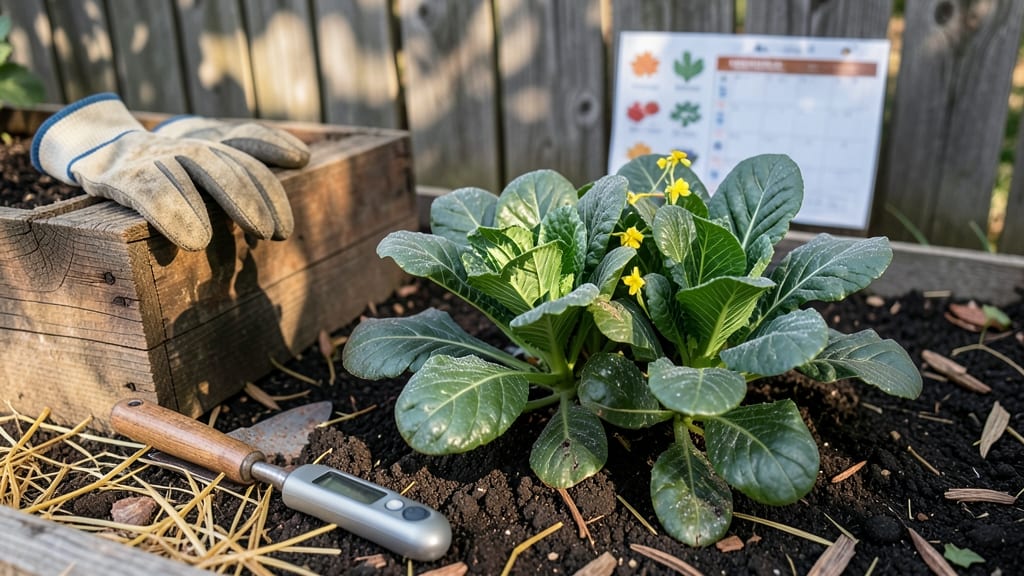
Planting your fall garden in Mississippi at the wrong time means either wilting under summer heat or getting nipped by early frost—neither of which ends well for your 🌱 harvest.
The key is knowing exactly when to start, and it all comes down to those critical frost dates that separate success from disappointment.
Most Mississippi gardeners assume they can just "plant when it cools down," but that vague approach misses the mark. In Heat-Zone 8A, your window to plant cool-season crops like kale and lettuce opens around mid-August—about 6 weeks before the first frost hits (usually November 15).
Get this timing right, and you’ll enjoy fresh greens through December.
I’ve learned the hard way that rushing your fall garden can backfire—whether it’s heat-stressed seedlings or crops that bolt before harvest. The solution? A precise planting calendar that accounts for Mississippi’s unique climate, from the humid Gulf Coast to the drier Delta regions.
Let me walk you through the exact schedule that works for your zone.
You’ll discover how to stretch your growing season, which crops to prioritize, and even how to protect your plants from unexpected cold snaps. By the end, you’ll have a foolproof plan to turn your Mississippi garden into a fall harvest goldmine—no guesswork required.
Mississippi fall planting calendar: exact dates by vegetable type (heat-zone 8A)
Mississippi’s fall gardening season is your golden opportunity to grow crisp leafy greens, hearty brassicas, and sweet root vegetables before winter sets in. The key? Planting at the right time to avoid scorching heat and early frosts.
With Mississippi’s first frost typically arriving between November 15–December 1, timing is everything. Start planning now to maximize your harvest before the last frost (March 15).
Cool-season crops like kale, spinach, and carrots thrive in Mississippi’s fall temperatures, while tomatoes, peppers, and beans can still produce if planted early enough.
Soil temperatures below 60°F signal it’s time to shift focus to cold-hardy varieties. Below is your exact planting schedule, broken down by crop type and soil conditions.
| Crop Type | Planting Window | Soil Temp Threshold | Days to Harvest | Notes |
|---|---|---|---|---|
| Leafy Greens (Lettuce, Spinach, Kale) | August 15–September 30 | 50–70°F | 30–60 days | Direct sow after soil cools; succession plant every 2 weeks. |
| Brassicas (Broccoli, Cabbage, Brussels Sprouts) | July 15–August 31 | 55–65°F | 60–90 days | Start seeds indoors 4–6 weeks before transplanting. |
| Root Vegetables (Carrots, Radishes, Beets) | August 1–September 15 | 50–75°F | 25–70 days | Loosen soil to prevent forking; radishes are fastest to harvest. |
| Warm-Season Holdovers (Tomatoes, Peppers, Beans) | June 15–July 31 (transplant) | 65–85°F | 60–120 days | Use heat-tolerant varieties; harvest before first frost. |
| Cover Crops (Clover, Winter Rye) | September 1–October 15 | 50–70°F | N/A (plant before frost) | Improve soil health; till under in spring. |
For leafy greens and radishes, aim to plant by mid-August to ensure a harvest before temperatures drop. These crops mature quickly—often in 30–45 days—so they’re perfect for succession planting every 2 weeks. Use row covers to extend their growing season by 2–3 weeks if frost threatens early.
Brassicas like broccoli and cabbage need more time to mature, so start them indoors by mid-July for a transplant by early August. These plants thrive in cool soil (55–65°F) and can tolerate light frosts, making them ideal for a late fall harvest.
Choose compact varieties like 'Calabrese' broccoli or 'Golden Acre' cabbage for smaller spaces.
If you’re still harvesting tomatoes or peppers from your summer garden, focus on heat-tolerant varieties like 'Celebrity' tomatoes or 'Jalapeño' peppers. These can produce until early October if planted by late June. After that, shift to cool-season crops to avoid stunted growth from soil temperature drops below 60°F.
Mississippi’s clay-heavy soils can compact easily, so amend your beds with compost or well-rotted manure before planting. Aim for well-draining soil to prevent root rot in crops like carrots and beets.
Test your soil’s pH—most fall crops prefer a slightly acidic to neutral range (6.0–7.0)—and adjust with lime or sulfur as needed.
Watering becomes critical as temperatures drop. Morning watering (before 10 AM) reduces evaporation and fungal risks. Most fall crops need 1–1.5 inches of water weekly, but adjust for Mississippi’s humidity—overwatering can lead to blight in leafy greens.
Mulch with straw or grass clippings to retain moisture and suppress weeds.
Keep an eye on the 10-day forecast for frost warnings. If a hard frost (28°F) is predicted, protect tender crops like
How to adjust your fall planting for Mississippi’s microclimates (coastal vs. Delta regions)
Mississippi’s geography creates two distinct fall gardening zones: the cooler northern Delta (like Tupelo) and the warmer Gulf Coast (like Biloxi). These regions experience frost dates that differ by 2-3 weeks, meaning your planting schedule should shift based on location.
Coastal areas stay milder longer, while inland zones face earlier frost risks.
For northern Mississippi, aim to plant cool-season crops by early August to avoid heat stress. The Gulf Coast, however, can extend planting until mid-September thanks to its later first frost dates. Understanding these differences ensures your kale, spinach, or broccoli thrive instead of bolting or freezing.
Here’s how to adapt your strategy for each region, including tools like row covers and succession planting to maximize your harvest window.
Mississippi Microclimate Comparison
| Factor | Northern Mississippi (Delta) | Gulf Coast (Biloxi) |
|---|---|---|
| First Frost Date | Nov 1–15 | Nov 15–Dec 1 |
| Last Frost Date | March 1–15 | March 15–April 1 |
| Ideal Planting Window | Aug 1–15 | Aug 15–Sep 15 |
| Best Crops for Late Planting | Spinach, Radishes | Collards, Turnips |
| Risk of Overheating | High (Aug–early Sept) | Moderate (Sept–early Oct) |
*Adjust dates 1–2 weeks earlier for high-elevation areas (e.g., hills near Oxford).
If you’re in the Delta region, prioritize fast-maturing crops like bush beans or lettuce (harvest in 30–45 days). Coastal gardeners can push the envelope with broccoli or cabbage, planted as late as September 1st, thanks to the 10–14°F warmer average temperatures near the coast.
For both regions, succession planting is key. Sow radishes or green onions every 2 weeks from August through September to ensure a continuous harvest. Use row covers to protect tender greens like arugula or kale from unexpected light frosts (28–32°F).
Pro tip: Monitor your local Alabama Cooperative Extension Service frost maps weekly. A 3–5°F dip can turn a mild night into a harvest-killer for unprotected crops. Start with heat-tolerant varieties like ‘Heatwave’ spinach or ‘Southern Comfort’ collards to give your fall garden a fighting chance.
🌿