
Plants
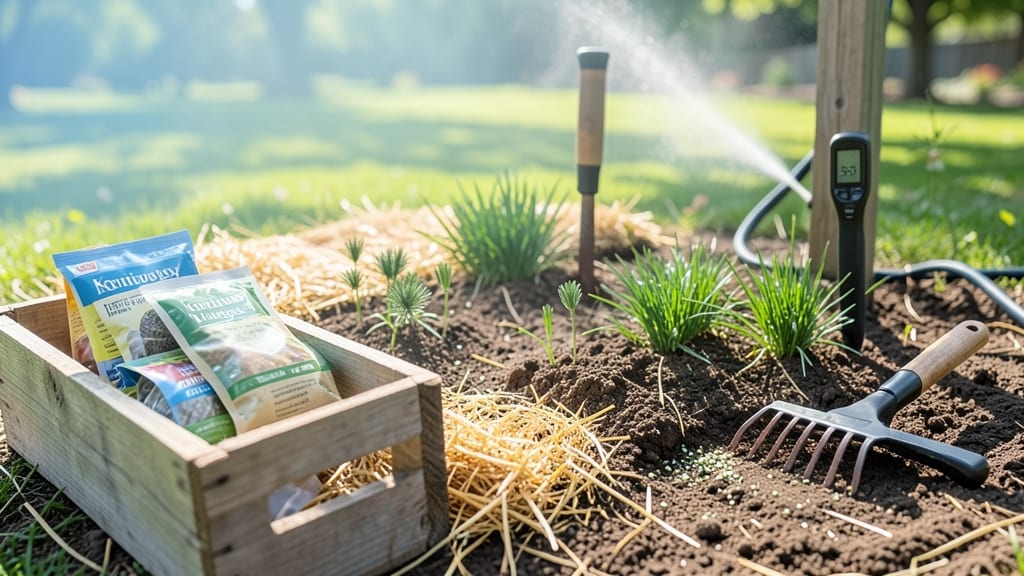
Planting grass seed in Colorado at the wrong time can leave you with patchy lawns or weeds taking over—especially with our unpredictable frost dates and dramatic temperature swings. The perfect window for cool-season grasses like Kentucky bluegrass isn’t just about months, but also your elevation and microclimate.
Most Colorado gardeners swear by early fall or spring planting, but did you know the Front Range’s urban heat islands can push your ideal timing 2-3 weeks earlier** than mountain valleys?
We’ll break down exactly when to plant for your specific zone, so you can avoid common mistakes that waste money and effort.
From soil temperature checks to adjusting for high-altitude frost patterns, I’ll share the game-changer strategies that help lawns thrive year after year. Whether you’re seeding a new yard or overseeding an existing one, these insights will give you the edge Colorado’s variable climate demands.
Let’s dive into the science behind timing—because getting this right means the difference between a lush, resilient lawn and another season of frustration. Your perfect grass starts with the calendar, and we’re about to make it simple.
Colorado’s best grass seed planting months: cool-season window explained
Colorado’s cool-season grasses like Kentucky bluegrass and fescue thrive when planted during the optimal temperature window—not too hot, not too cold. The perfect timing aligns with soil temperatures between 50°F and 75°F, which occurs naturally in early fall and spring.
This window ensures consistent moisture, reduced weed competition, and strong root establishment before winter dormancy or summer heat stress.
Late summer through early fall (typically August to mid-September) is the gold standard for Colorado lawns. During this time, daylight hours shorten, encouraging deep root growth before the first frost.
Spring planting (early March to April) is the second-best window, but requires careful soil prep to prevent erosion and ensure even germination.
The science behind these windows is rooted in seed dormancy and photosynthesis efficiency. Cool-season grasses germinate best when soil temps are consistently above 50°F but below 85°F.
Planting in scorching summer heat causes rapid moisture loss, while planting in freezing winter risks seed rot or poor establishment.
| Planting Window | Ideal Soil Temp (°F) | Daylight Hours | Key Benefits | Colorado Elevation Notes |
|---|---|---|---|---|
| Early Fall (Aug–Mid-Sept) | 50–75°F | 10–12 hours | Deep root growth, fewer weeds, strong winter prep | Front Range: Aug 15–Sept 15; Western Slope: Sept 1–15 |
| Spring (Early March–April) | 50–65°F | 12–14 hours | Rapid germination, early-season vigor | High elevations (8,000+ ft): Wait until April 15+ |
| Late Spring (May) | 60–75°F | 14–15 hours | Good for overseeding, but higher weed risk | Eastern Plains: Safe after May 10 |
| Avoid: Summer (June–July) | 85°F+ | 15+ hours | High moisture loss, poor germination | Except high-altitude areas (9,000+ ft) |
Colorado’s elevation variations demand localized adjustments. The Front Range (Denver, Boulder) typically follows the standard window, but Western Slope areas (Grand Junction, Durango) experience earlier frosts and should shift planting to late August through September.
Meanwhile, high-altitude zones (above 8,000 feet) may delay spring planting until mid-April to avoid late frosts.
For Kentucky bluegrass, the cool-season champion, early fall planting ensures 70–80% germination rates compared to 30–50% in summer. Fescue varieties, like tall fescue, benefit from spring planting to leverage longer daylight hours for dense turf development.
Always test soil moisture—aim for 1 inch of water per week during germination.
One critical mistake is ignoring local frost dates. While the average last frost in Denver is April 15, mountain towns like Fort Collins can see frost until May 10.
Use the USDA Plant Hardiness Zone Map (Zones 5–7 in Colorado) as a baseline, but adjust 2–4 weeks based on your microclimate.
To maximize success, prepare soil 2–4 weeks before planting. Remove existing vegetation, till to 4–6 inches deep, and level the surface. Add compost or peat moss to improve water retention, especially in sandy soils common on the Eastern Plains. A light raking
Microclimate hacks: adjusting planting timing by Colorado region
Colorado’s diverse geography—from Denver’s urban heat islands to the Western Slope’s high deserts—means one planting window doesn’t fit all. Your local microclimate dictates the best time to plant grass seed, whether you’re in the Front Range, Eastern Plains, or mountain valleys.
Ignore these regional quirks, and you risk poor germination or wasted seed. Let’s break down how to fine-tune your schedule.
Start by identifying your USDA Hardiness Zone (Colorado spans Zones 4-8) and observing your area’s frost patterns. High-altitude areas like Boulder or Fort Collins may have 2-3 weeks later frost dates than lower elevations like Pueblo or Colorado Springs.
Use local weather stations or CoCoRaHS data to track your microclimate’s nuances.
Here’s how three key regions differ in their ideal planting windows:
| Region | Ideal Planting Window | Key Microclimate Factors | Adjustments for High Altitude |
|---|---|---|---|
| Front Range (Denver, Boulder, Fort Collins) | Late August to early October (fall) or early April to mid-May (spring) | Urban heat islands, variable winds, shorter growing seasons at higher elevations | Delay fall planting by 2-3 weeks above 7,000 ft |
| Western Slope (Grand Junction, Durango) | September to early October (fall) or March to early April (spring) | Drier climate, hotter summers, earlier frost in mountain valleys | Plant 1-2 weeks earlier than lowland areas |
| Eastern Plains (Pueblo, Lamar) | Early September to mid-October (fall) or late March to early May (spring) | Longer growing season, lower humidity, stronger winds | Extend fall window by 1-2 weeks due to milder winters |
For high-altitude gardeners (above 6,500 ft), prioritize soil temperature over calendar dates. Use a soil thermometer to confirm temps are consistently above 50°F before planting. In mountain valleys, watch for cold air pooling, which can delay soil warming by weeks compared to nearby slopes.
Wind exposure is another critical factor. Areas with high winds, like the Eastern Plains, benefit from windbreaks or planting on leeward slopes. If your yard is exposed, consider hydroseeding to lock seed in place or use a starter fertilizer with mulch to reduce erosion.
In urban Denver, heat-reflecting surfaces can make soil 10-15°F warmer than rural areas, so adjust your timing 1-2 weeks earlier.
Pro tip: Test your soil’s moisture retention before planting. Sandy soils in the Western Slope dry out faster, while clay-heavy soils in the Front Range may stay too wet.
Amend with compost or peat moss to strike the right balance. With these microclimate hacks, you’ll maximize your grass seed’s success rate—no matter where in Colorado you garden. 🌱