
Plants
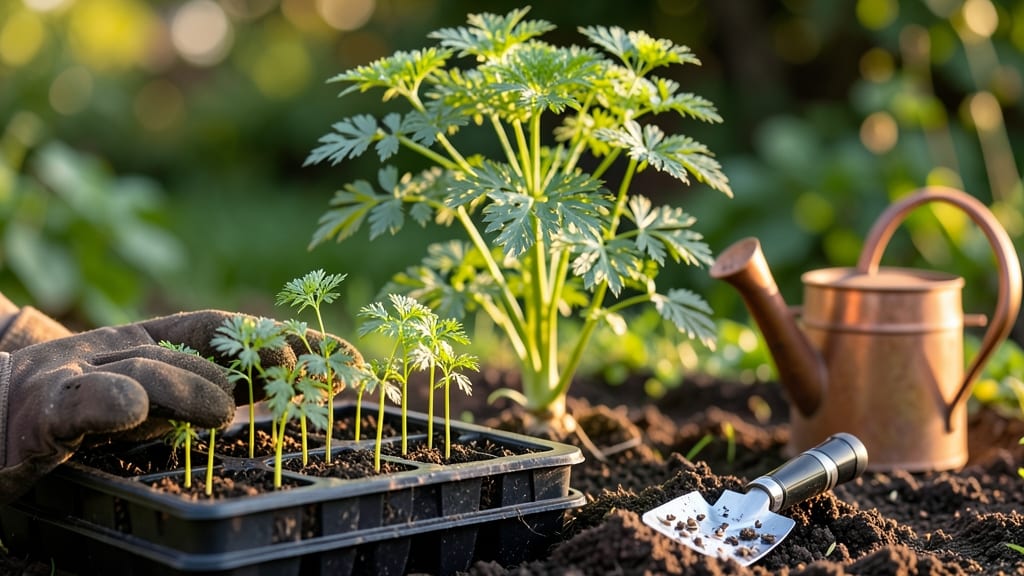
Planting dill in Oregon feels like a high-stakes game of timing—get it wrong, and you’ll end up with bitter, bolted herbs instead of the fresh 🌿 feasts you crave.
Whether you’re in the chilly coastal zones or the warmer inland valleys, the right planting window makes all the difference. I’ve grown dill here for years, and the key to zero-bolt success? Knowing when to tuck those seeds into the soil so they thrive, not just survive.
Spring planting in March-April or late summer in July-August gives you two shots at a bountiful harvest, but Oregon’s microclimates throw a wrench into the plan. Let me break down the exact dates—and why they matter—for your specific corner of the state.
You’ll also discover how to avoid the dreaded bolting phase, keep your dill lush, and even extend the growing season with simple tricks. Ready to grow the best dill Oregon has to offer?
Optimal dill planting dates in Oregon by microclimate (coastal vs inland)
Oregon’s diverse microclimates create distinct planting windows for dill—your coastal garden behaves differently than inland valleys. The key to zero-bolt success lies in understanding these regional differences and timing your sowing to avoid premature flowering.
Dill thrives in USDA Zones 7b-9a, but Oregon’s last frost dates vary dramatically from 3-4 weeks earlier in the Willamette Valley compared to coastal areas.
For coastal Oregon, where cooler temperatures linger, your planting window opens later than inland regions. The average last frost date along the coast (e.g., Astoria, Cannon Beach) is typically May 1-15, while inland areas (Bend, Redmond) see their last frost by April 15-30.
This 3-week difference directly impacts when you should sow your dill seeds to prevent bolting before harvest.
| Microclimate | Last Frost Date | Ideal Planting Window | Harvest Window | Key Risk |
|---|---|---|---|---|
| Coastal (Astoria, Newport) | May 1-15 | April 15-May 30 | July-August | Slow warming → delayed growth |
| Willamette Valley (Portland, Eugene) | April 15-30 | March 20-April 15 | June-July | Rapid warming → bolting risk |
| High Desert (Bend, Redmond) | April 1-15 | March 10-April 1 | May-June | Hot days → early bolting |
| Summer Succession (All Regions) | N/A | July 15-August 15 | September-October | Cooler nights → slower bolting |
In coastal Oregon, where temperatures stay cooler longer, aim to sow dill seeds between April 15 and May 30 for a summer harvest. The cooler maritime climate slows growth but reduces bolting risk.
Use black plastic mulch to warm the soil and jumpstart germination if your spring feels particularly chilly.
For the Willamette Valley, your best window is earlier—March 20 to April 15. This region’s warmer springs mean dill can bolt quickly if planted too late. To delay flowering, provide afternoon shade during June’s heat waves and keep soil consistently moist.
The high desert presents unique challenges with its hot, dry summers. Plant dill here between March 10 and April 1 to avoid the 100°F+ temperatures that trigger bolting. Use drip irrigation to maintain even moisture and consider shade cloth (30-50%) during peak afternoon sun.
Don’t overlook summer succession planting—sow a second crop between July 15 and August 15 in all regions. Cooler fall nights slow dill’s growth, giving you a second harvest window from September to October. This strategy works especially well in coastal areas, where fall temperatures remain mild.
Monitor your soil temperature—dill seeds need 70°F+ to germinate. Use a soil thermometer to time your planting precisely. In cooler microclimates, wait until soil reaches 65°F minimum, while inland areas can start at 60°F with proper mulching.
Pro tip: Direct sow rather than transplanting—dill’s taproot system hates disturbance. Scatter seeds ¼-inch deep, 12-18 inches apart, and thin seedlings to 12 inches apart when they’re 2-3 inches tall. This spacing prevents overcrowding, which stresses plants and triggers bolting.
Remember that dill is a biennial in Oregon’s climate, meaning it may self-seed if left to flower. For continuous harvests, cut back flowering stems to encourage leaf regrowth, though this reduces seed production.
If you’re growing dill for seeds (for pickling or bird feed), allow some plants to flower naturally.
How to extend dill’s growing season in Oregon for maximum yield
Oregon’s cool coastal breezes and inland heat spikes can trick dill into bolting prematurely, cutting your harvest short. The key to zero-bolt success lies in strategic timing and climate-smart adjustments.
By leveraging succession planting and soil temperature control, you can coax your dill to stay lush and leafy for months longer than the typical 60-day window.
Dill thrives when soil stays between 60-70°F, but Oregon’s unpredictable microclimates often push it too hot or cold. Coastal gardeners face prolonged chill, while inland zones battle summer heat stress.
Both scenarios force bolting—unless you intervene with the right techniques. Let’s break down how to stretch your dill’s harvest window from spring to fall.
- 🌱 Succession Plant every 3 weeks from March to July—coastal areas can add August sowings for fall harvests.
- ☀️ Use 30-50% shade cloth during June-August to block heat spikes over 85°F.
- 💧 Mulch heavily with straw or wood chips to keep soil 5-10°F cooler and retain moisture.
- 🌡️ Test soil temperature—plant only when it’s consistently 60°F+ (use a soil thermometer for accuracy).
- ✂️ Harvest aggressively by cutting 1/3 of stems every 2-3 weeks to redirect energy to leaves.
For coastal Oregon gardeners, focus on late-March to early-April plantings and protect young seedlings with row covers until soil warms. Inland growers should avoid May sowings—opt instead for July-August to escape early heat waves. Both strategies exploit Oregon’s moderate summers while minimizing bolting triggers.
Another game-changer? Container gardening with 5-gallon pots. Moving dill to shadier patio spots during peak afternoon sun can add 4-6 extra weeks of harvest. Just ensure pots have drainage holes and use lightweight potting mix to prevent root stress.
This works especially well for balcony gardens in Portland or Eugene’s urban yards.
Don’t overlook the power of companion planting. Pairing dill with cabbage or lettuce creates natural shade that keeps roots cooler. Meanwhile, interplanting with radishes (which bolt early) gives you an early warning system—when radishes flower, it’s time to shade your dill immediately.
These low-effort hacks can extend your harvest by 30-50% with minimal extra work.
Remember: Harvest is the best bolting prevention. The moment you see flower buds, snip them off immediately—this redirects the plant’s energy back to leaf production. With these techniques, you’ll enjoy fresh dill from June through October, even in Oregon’s fickle climate. 🌿