
Plants
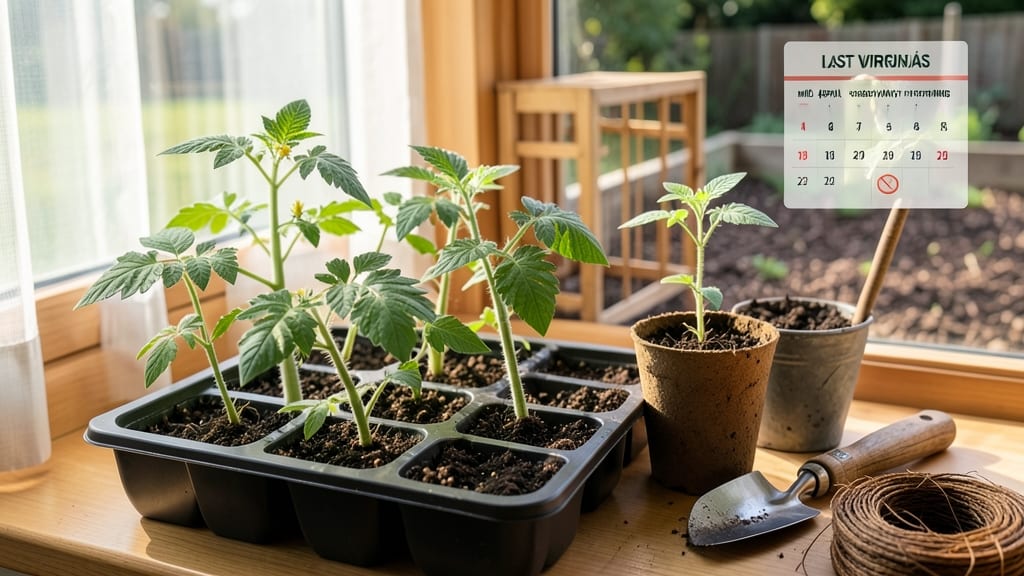
Planting tomatoes in Virginia isn't just about grabbing a seedling and sticking it in the ground—it's about timing your moves to outsmart the state's unpredictable spring weather.
With Heat Zones 7a/7b offering a 180-210 frost-free days window, even a week too early can mean lost plants, while waiting too long cuts your harvest short.
I've learned the hard way that Virginia's last frost date (around April 15) isn't just a number—it's your signal to start seeds indoors 4-6 weeks before transplanting. The key is waiting until soil temperatures hit 60°F+, which typically aligns with late April to early May for most regions.
This timing ensures your 🍅 plants grow strong enough to handle Virginia's humid summers without wilting.
What makes this even trickier is how regional microclimates play a role. Piedmont areas might be ready by early April, while mountain zones often need to wait until May.
I'll show you exactly how to adjust your schedule based on where you're planting—plus, how to extend your season with simple tricks that actually work in Virginia's climate.
Whether you're growing cherry tomatoes for snacks or beefsteak varieties for sandwiches, getting this timing right means the difference between a bountiful harvest and a disappointing one.
Let's break down the exact steps to plant your tomatoes at the perfect moment—so you can enjoy fresh, homegrown 🍅 from June through October without the guesswork.
Virginia heat Zone 7a/7b planting dates: exact timing for frost-free tomato success
Virginia's Heat Zones 7a/7b offer gardeners a 180-210 day frost-free growing season, perfect for tomatoes—but timing is critical. The average last frost date hovers around April 15, though mountainous regions (like Roanoke) may wait until May 1.
Coastal areas (like Norfolk) can plant 2-3 weeks earlier.
For transplanting seedlings, aim for 2-4 weeks after your last frost date when soil temperatures consistently reach 60°F+. This typically means mid-April to early May for most of Virginia. Cherry tomatoes (like 'Sweet 100') thrive with early planting, while heirlooms (like 'Brandywine') need warmer soil.
If you're starting seeds indoors, begin 4-6 weeks before your last frost date—so mid-March to early April. Use grow lights to prevent leggy seedlings. Harden off seedlings for 7-10 days before transplanting to avoid shock.
Pro tip: Use black plastic mulch to warm soil faster, especially in cooler Piedmont regions. This can shave 1-2 weeks off your planting timeline by raising soil temps 5-10°F.
🍅 Virginia Tomato Planting Timeline
| Stage | Action | Heat Zone 7a | Heat Zone 7b |
|---|---|---|---|
| Indoor Seed Start | Sow seeds | March 15-30 | March 1-15 |
| Harden Off | Acclimate seedlings | April 15-30 | April 1-15 |
| Transplant Outdoors | Plant after frost | May 1-15 | April 20-May 5 |
| Soil Temp Check | Wait for 60°F+ | After May 1 | After April 20 |
| First Harvest | Cherry tomatoes | July 15-August 1 | July 1-August 15 |
For late summer harvests, consider a second planting of fast-maturing varieties (like 'Early Girl') in early June. These can produce fruit before Virginia's first frost (typically mid-October in 7a, late October in 7b).
Mountainous areas (like Blacksburg) should wait until May 15 to avoid late spring frosts, while Tidewater regions can safely plant as early as April 1. Always check your local frost dates using the USDA Plant Hardiness Zone Map.
Remember: Soil temperature matters more than air temperature. Use a soil thermometer to confirm 60°F+ before transplanting. Cold soil slows root growth and increases disease risk.
If you're in Zone 7a, prioritize early-maturing varieties (60-70 days to harvest) to avoid early fall frosts. Zone 7b gardeners have more flexibility for heirloom varieties (70-90 days).
🌱
How to extend your Virginia tomato season: cold frames, row covers, and succession planting
Virginia’s short growing season (180-210 frost-free days) can feel like a race against time for tomato lovers. But with the right strategies, you can extend harvests from early summer to deep fall.
I’ve learned that combining season extenders with succession planting turns a 3-month harvest into 5 months of juicy tomatoes!
Start by beginning seeds indoors 4-6 weeks before your last frost date (typically March 1-April 15 in Virginia). This head start ensures your plants are robust enough to handle transplanting after April 15, when soil temperatures hit 60°F+.
For cooler microclimates (like the Shenandoah Valley), add 2-3 weeks to these timelines.
🌱 Extending Your Tomato Season in Virginia
- Start seeds indoors 4-6 weeks before last frost (March 1-April 15). Use grow lights for 14-16 hours/day to prevent leggy seedlings.
- Transplant outdoors after April 15 when soil reaches 60°F+. Harden off seedlings for 7-10 days before moving them.
- Use row covers (floating fabric) to protect plants until May 15. Remove covers when flowers appear to allow pollination.
- Install cold frames over plants in September to trap heat. Add black plastic mulch to warm soil faster in spring.
- Succession plant every 2-3 weeks from April 15-June 1. Choose fast-maturing varieties (60-70 days) for continuous harvests.
- Harvest late-season tomatoes before first frost (October 15). Use greenhouse setups or row covers to extend harvests into November.
For row covers, I recommend lightweight floating fabric (like Agribon) to shield young plants from late frosts. Secure the edges with bricks or soil to prevent wind damage. Remove covers during the day in late April to allow pollination, then reapply at night if temperatures dip below 50°F.
Cold frames are a game-changer for fall harvests. A simple DIY frame (wooden box with clear plastic lid) can add 5-10°F of warmth. Place it over plants in late September and leave it until first frost.
For heirloom varieties like 'Brandywine' or 'Cherokee Purple', this can push harvests into November!
Don’t forget succession planting—the secret to a never-ending tomato supply. After your first planting (mid-April), add 2-3 more batches every 2-3 weeks until June 1. Mix determinate varieties (bush types) for early harvests with indeterminate types (vining) for late-season production. This ensures you’re always picking ripe tomatoes!
Pro tip: Pair succession planting with season extenders for maximum impact. For example, plant a fast-maturing variety like 'Early Girl' (60 days) in early April, then follow with 'Better Boy' (75 days) in late April. By August, your cold frame will be protecting the last of your 'San Marzano' plants.
With these techniques, I’ve turned my Virginia garden into a tomato powerhouse, enjoying fresh slices from June through November. The key? Start early, protect late, and keep planting! 🍅