
Flowers
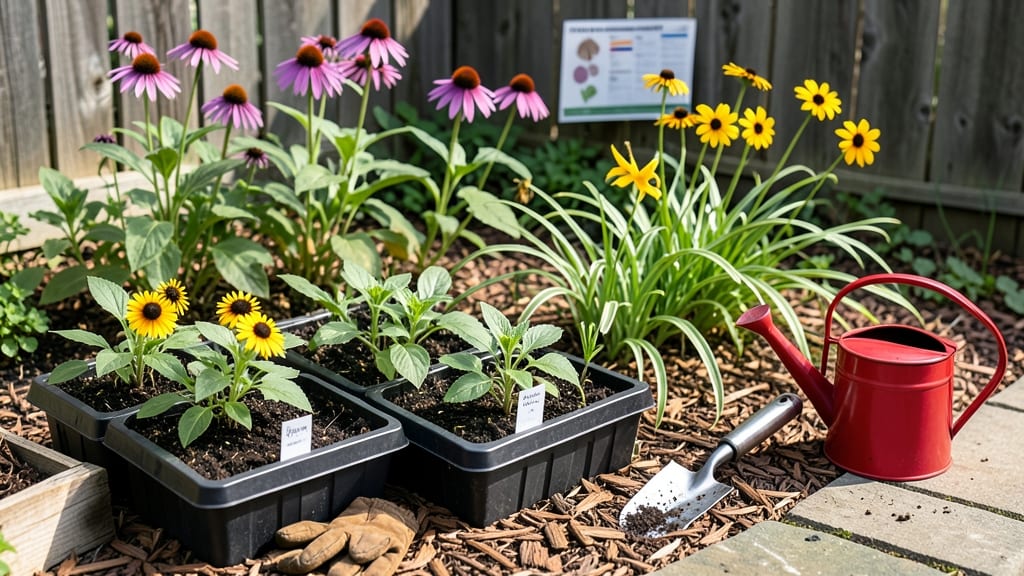
Timing your flower planting in Michigan could mean the difference between a garden bursting with color and one that barely makes it past the first frost. With 5b-6b zones bringing unpredictable swings from winter chill to summer heat, getting those 🌸 in the ground at the right moment is everything.
Most gardeners in Michigan know the struggle: plant too early, and a late frost will nip your blooms before they even open. Too late, and you’ll miss the prime window for vibrant summer displays.
But here’s the good news—once you know the frost-free dates for your specific zone, you can turn that uncertainty into a game-changer for your garden’s success.
In this guide, I’ll walk you through the exact planting windows for Michigan’s most popular flowers, whether you’re sowing hardy perennials in early spring or annuals after the last frost. You’ll also discover how to extend your blooming season and avoid common mistakes that even experienced gardeners make.
Ready to transform your yard into a long-lasting paradise? Let’s dive into the best times to plant flowers in Michigan—so you can enjoy those 🌸 from spring through fall without the guesswork.
Michigan flower planting timeline by USDA hardiness zones (4-6)
Michigan spans USDA Zones 4a-6a, meaning frost dates vary dramatically from the Upper Peninsula (Zone 4) to southern Michigan (Zone 6). Understanding your zone helps you avoid late spring frosts that can kill tender seedlings or miss the ideal planting window for summer-long blooms.
For Zone 4a (UP, northern Lower Peninsula), the average last frost date is May 15–June 1, while Zone 6a (southwest Michigan) sees frost-free conditions by April 15–May 1. These dates shift 2–4 weeks earlier in southern zones, giving gardeners there a head start.
Here’s how to use this timeline: Check your local Michigan State University Extension frost data for your exact county, then adjust planting dates based on whether you’re growing annuals (fast-growing) or perennials (slow to establish).
| Zone | Last Frost Date | Best Planting Window | Annuals (Fast) | Perennials (Slow) |
|---|---|---|---|---|
| 4a (UP, northern MI) | May 15–June 1 | June 1–15 | Start indoors April 1 | April 15–May 10 |
| 5a (Central MI) | May 1–15 | May 15–June 1 | Start indoors March 15 | April 1–May 1 |
| 6a (Southwest MI) | April 15–May 1 | April 30–May 15 | Direct sow March 20 | March 15–April 1 |
🌱 Pro Tip: Use frost cloths to extend Zone 4’s planting window by 2–3 weeks for tender annuals.
For annual flowers (e.g., zinnias, marigolds), start seeds 4–6 weeks before your last frost date. In Zone 6a, that means mid-March indoors, while Zone 4a gardeners should wait until early April to avoid overcrowded seedlings from slow germination.
Perennial flowers (e.g., coneflowers, daylilies) are hardier and can handle earlier planting. In Zone 5a, plant them by April 15 to give roots time to establish before summer heat. In Zone 4a, wait until after May 10 to avoid frost damage.
Michigan’s first frost typically arrives between September 20–October 15, depending on your zone. Use this to plan fall-planted bulbs (e.g., tulips, daffodils), which need 6–8 weeks of cool soil to root before winter. Plant them by October 1 in Zone 6a or October 15 in Zone 4a.
Always monitor weekly forecasts in late spring—late frosts can still occur in May, especially in northern Michigan. Keep frost-sensitive plants (e.g., petunias, geraniums) near your home or use row covers until temperatures stabilize.
For container gardening, you can push planting dates 2–3 weeks later since pots warm up faster. Just move containers to a protected spot at night if frost is forecasted.
🌿 Remember: Soil temperature matters more than air temperature. Use a soil thermometer—ideal planting temps are 60°F+ for most flowers.
Best flower varieties to plant in Michigan by season (cool vs. warm-season)
Michigan’s cool springs and variable summers mean choosing the right flowers—and planting them at the perfect time—is key to a stunning garden.
Some blooms, like tulips and daffodils, thrive when planted in early spring before the ground warms, while others, like zinnias and petunias, need to wait until after the last frost. Understanding these seasonal differences helps you avoid frost damage while maximizing bloom time.
For cool-season flowers, I recommend planting in March or early April—just as the soil becomes workable but before summer heat arrives. These varieties handle Michigan’s unpredictable frost better than their warm-season counterparts.
Meanwhile, warm-season annuals like marigolds and cosmos should wait until mid-May to early June, when nighttime temperatures stay consistently above 50°F.
Here’s my breakdown of the best flower varieties for Michigan, organized by planting season and hardiness:
- Tulips & Daffodils: Plant bulbs in October-November for spring blooms; hardy to Zone 3.
- Pansies & Violas: Direct sow in early spring or late summer for fall color.
- Sweet Alyssum: Fast-growing annual; sow March-April for early blooms.
- Zinnias: Fast growers; sow after May 15 for summer-long blooms.
- Petunias: Wait until soil is 60°F+; pinch back for bushier growth.
- Marigolds: Tolerate heat; direct sow in late May for pest-resistant blooms.
- Coneflowers: Plant in spring or fall; drought-tolerant once established.
- Black-Eyed Susans: Divide every 3-4 years for vigorous blooms.
- Daylilies: Hardy to Zone 4; plant in spring for summer color.
If you’re in northern Michigan (Zone 4a), prioritize cold-hardy varieties like Russian sage or catmint, which tolerate cooler soils. In southern Michigan (Zone 6a), you can push the envelope with tropical-looking annuals like celosia or portulaca, planting them in early June for a bold summer display.
For longer blooms, mix early spring bulbs with late-summer perennials like sedum or asters. This creates a continuous color show from April through October—even in Michigan’s short growing season. Just remember: deadhead spent blooms regularly to encourage new growth and extend your garden’s life.
Ready to pick your perfect blooms? Grab your gardening gloves and mark your calendar—Michigan’s 150-180 frost-free days fly by faster than you think! 🌷