
Plants
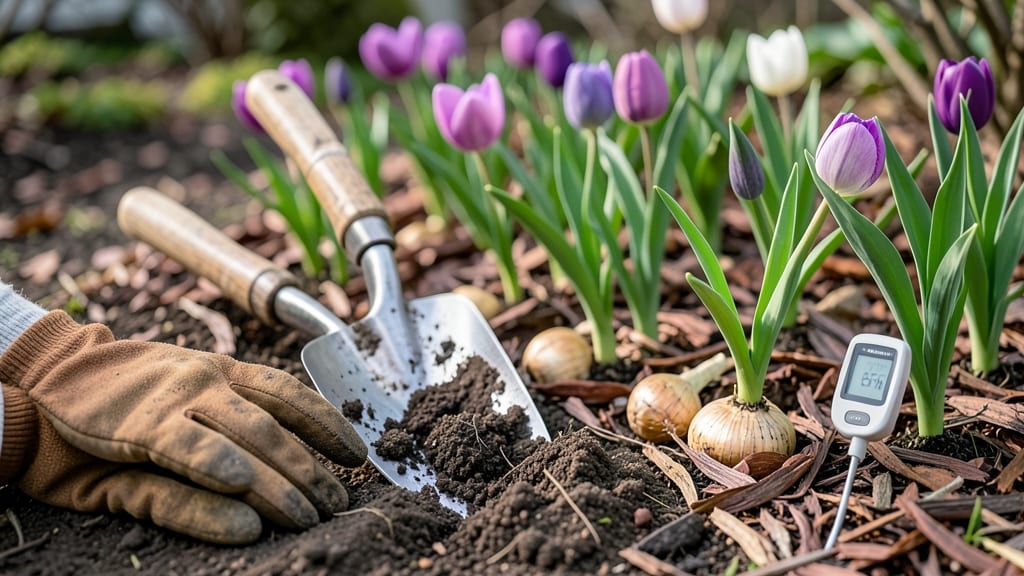
Timing your tulip planting just right is the secret weapon for those showstopping spring blooms in New York’s 6a zone. Miss the window, and you’ll end up with half-hearted sprouts—or worse, nothing at all.
The perfect moment arrives between October and November, when soil temperatures drop and frost looms, but before the ground locks up for winter.
Why does this matter? Because tulips need 6-8 weeks of cold dormancy to trigger vibrant blooms next spring. Plant too early, and your bulbs might sprout before winter sets in; too late, and they won’t establish roots before the freeze.
In New York, where first frost typically hits around mid-October, the clock starts ticking fast.
I’ve learned the hard way that rushing or waiting too long can turn your garden dreams into a costly lesson. The good news? With the right timing and a few local tweaks, you can ensure your 🌷 tulips burst through the snow like clockwork every April.
Let’s break down the exact schedule—and what happens if you get it wrong.
From soil prep to frost dates, we’ll cover everything you need to know to plant your bulbs 6-8 inches deep and 4-6 inches apart, so they’re ready to shine when spring arrives. Ready to transform your yard into a tulip paradise?
New York tulip planting calendar by hardiness zone (exact months & deadlines)
New York spans USDA hardiness zones 4-7, meaning your planting window varies slightly depending on where you live. For zone 6a (covering most of the state), the ideal time to plant tulips is mid-October to early November.
This timing ensures bulbs establish roots before winter while avoiding late-season warmth that can trigger premature sprouting.
In colder zone 4 areas (northern NY), aim for late September to mid-October—soil must cool to 50°F (10°C) for 2-3 weeks before planting. Meanwhile, zone 7 gardeners in western NY have until mid-November due to milder winters.
Always check your local first frost date (typically mid-October in NY) and plant 4-6 weeks before.
Pro tip: Use a soil thermometer to confirm soil temps are consistently below 60°F (15°C)—this signals it’s time to plant. Tulips need this cooler soil to break dormancy properly and avoid rot.
🌱
| Zone | Ideal Planting Window | Soil Temp Requirement | Last-Chance Date |
|---|---|---|---|
| Zone 4 (Northern NY) | Late September – Mid-October | Below 50°F (10°C) | October 15 |
| Zone 5 (Adirondacks, Catskills) | Mid-October – Early November | Below 55°F (13°C) | November 1 |
| Zone 6a (Most of NY) | Mid-October – Early November | Below 60°F (15°C) | November 10 |
| Zone 7 (Western NY) | October – Mid-November | Below 60°F (15°C) | November 15 |
If you miss the fall window, you can plant tulips in early December (up to 2 weeks before ground freezes), but blooms may be delayed or weaker. For spring planting, avoid it entirely—tulips need winter chill to flower properly.
NY’s first frost typically arrives by mid-October, so time your planting to finish 2-3 weeks before.
For container gardening in NYC or urban areas, plant 2 weeks earlier than ground planting to account for faster soil cooling in pots. Use well-draining potting mix with added perlite to prevent rot.
🌷
After planting, mulch with 2-3 inches of straw to insulate bulbs and retain moisture. In zone 4-5, add an extra 4-6 inches of mulch for winter protection. Remove mulch in early spring (March) to allow soil to warm and encourage sprouting.
Remember: Bigger bulbs = bigger blooms. Choose size 12 or larger tulip bulbs for the most vibrant spring displays. Store them in a cool, dry place (like your garage) until planting day.
✂️
When to plant tulips in New York’s urban vs. rural areas (key differences)
New York’s diverse landscapes mean your tulip planting timeline can vary dramatically between urban NYC and rural Upstate areas. While both regions share similar USDA zones 5b-7a, microclimates create critical differences in frost timing, soil warmth, and wind exposure that directly impact your planting success.
In urban areas, heat islands from concrete and buildings can delay first frost by 1-2 weeks compared to rural zones. This means your last-chance planting window might stretch into early December—though the risk of premature sprouting increases.
Meanwhile, rural gardens often experience earlier frosts, shrinking your window to late October or early November.
The biggest challenge in cities isn’t just timing—it’s container gardening. Pots freeze faster than in-ground soil, so urban gardeners must plant 2-3 weeks earlier than rural counterparts to compensate. Without proper insulation (like straw mulch), bulbs in containers may not survive winter at all.
Rural gardeners can sometimes push planting to mid-November if soil stays workable, but urban areas should never plant after November 1st due to heat island effects. Containers in cities require extra mulch (3-4 inches) to prevent freeze damage.
Wind exposure also plays a role—Upstate gardens often face harsher winds that dry out soil faster, requiring deeper watering before planting. In contrast, NYC’s sheltered pockets might hold moisture longer, but compacted soil can suffocate bulbs. Always loosen soil to 12 inches deep before planting, regardless of location.
For raised beds, rural areas can plant slightly later (up to November 15th in zone 6a) because soil drains faster and warms quicker in spring. Urban raised beds, however, must follow container guidelines—plant early or risk bulb rot from poor drainage.
Pro tip: Use a soil thermometer to confirm your planting zone. Aim for 40-50°F soil temps—any warmer, and bulbs may sprout prematurely. Rural areas hit this range by late October, while cities often wait until November.
Remember: Even with perfect timing, NYC’s alkaline soil (pH 7.0+) can stunt tulip growth. Amend with composted pine needles (pH 4.5-5.5) to create ideal acidic conditions for bulbs. Rural gardens typically have better natural drainage, but always test before planting.