
Plants
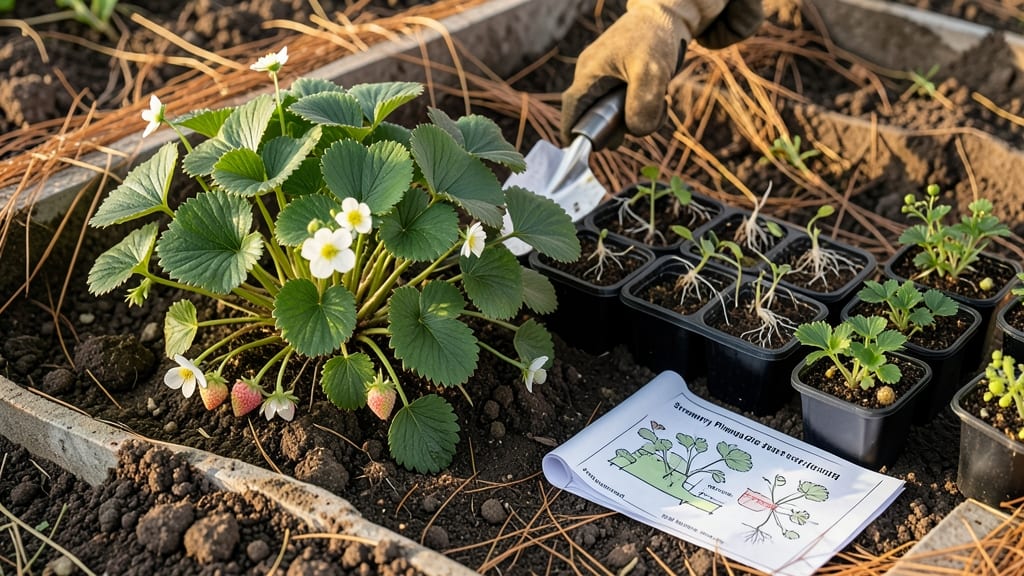
Planting strawberries in Louisiana at the wrong time can mean tiny berries—or worse, no harvest at all. Unlike cooler climates, our 8a-9b zones demand precision timing to dodge both early frosts and scorching summer heat, especially when growing 🍓 varieties like Chandler or Camarosa.
Most gardeners assume spring is the only window, but Louisiana’s long growing season actually gives you two prime chances: early spring (February-March) for a summer harvest or late summer/early fall (August-September) for a winter crop.
The key? Soil temps above 50°F and avoiding planting when humidity spikes above 80%—both common pitfalls in our state.
I’ve tested both approaches in my own garden, and the difference in yield is night and day. Whether you’re working with bare-root plants or potted varieties, knowing your microclimate—urban heat islands vs. rural areas—can add weeks to your harvest window.
Let’s break down the exact months that work best for your part of Louisiana.
Ready to grow juicier, bigger strawberries with minimal fuss? The secret isn’t just when you plant—it’s how you prep your soil and protect your plants from Louisiana’s quirks.
I’ll walk you through the step-by-step timing that’s worked for me, plus the one mistake that ruins more strawberry beds here than anywhere else.
Louisiana strawberry planting calendar by region (frost-free zones explained)
Louisiana’s diverse climate zones—from Zone 7b in the north to Zone 9b in the south—mean your strawberry planting window can vary by 6 weeks or more. In colder northern regions like Shreveport, last frost dates average February 15, while southern areas like New Orleans rarely see frost.
Understanding these microclimates helps you avoid frost damage or heat stress during critical growth stages.
For spring planting, the safest window is February through early March in northern Louisiana, while southern gardeners can start as early as January.
Fall planting offers a second chance with August to early September windows, but timing must account for hurricane season risks and soil temperatures dropping below 60°F.
🌱Key rule: Wait until soil temperatures reach at least 50°F (10°C) for spring planting and at least 60°F (15°C) for fall planting. Use a soil thermometer to confirm—this prevents root rot in cool, wet soils.
| Region | USDA Zone | Spring Planting Window | Fall Planting Window | Soil Temp Threshold |
|---|---|---|---|---|
| North Louisiana (Shreveport, Monroe) | 7b-8a | Late Feb - Early Mar | Mid-Aug - Late Aug | 50°F (10°C) |
| Central Louisiana (Alexandria, Lafayette) | 8a-8b | Mid-Feb - Mid-Mar | Late Aug - Early Sep | 55°F (13°C) |
| South Louisiana (Baton Rouge, New Orleans) | 9a-9b | Jan - Early Feb | Early Sep - Mid-Sep | 60°F (15°C) |
| Urban Heat Islands (e.g., New Orleans, Lafayette) | 8b-9a | Early Feb - Early Mar | Late Aug - Early Sep | 58°F (14°C) |
🌡️ Pro Tip: Urban areas stay warmer—plant 2-3 weeks earlier than rural zones.
Urban gardeners in cities like New Orleans or Lafayette often experience microclimates 5-10°F warmer than surrounding areas. This "urban heat island" effect means you can plant 2-3 weeks earlier in spring and 2 weeks later in fall compared to rural zones.
Check local weather stations for real-time soil temps—apps like PlantNet or Farmer’s Almanac provide free alerts.
🌿Variety matters: For northern Louisiana, choose everbearing varieties like Chandler or Seascape, which tolerate cooler soils. Southern gardeners should opt for day-neutral types like Fort Laramie or Albion, which thrive in 90°F+ heat.
In Zone 9b (south Louisiana), strawberries can even be planted in December for a winter harvest, but this requires row covers to protect against unpredictable cold snaps. Always monitor National Weather Service forecasts for 60°F soil warnings—this is your cue to plant.
💧Post-planting care: After planting, mulch with straw or pine needles to retain moisture and regulate soil temps. In Zone 7b-8a, add 1-2 inches of mulch in late winter to prevent frost heave.
For container gardening in Louisiana’s humid climate, use black plastic pots to absorb heat and plant 1-2 weeks earlier than in-ground beds. Just ensure pots have drainage holes to prevent root rot from Louisiana’s frequent rains.
✅Ready to plant? Bookmark your local Cooperative Extension Service frost dates—Louisiana State University’s
How to extend Louisiana strawberry seasons: fall vs. spring planting strategies
Louisiana’s long growing season gives you two golden opportunities to plant strawberries: spring (February-March) for a summer harvest or fall (August-September) for winter berries. I’ve found that fall planting often outperforms spring in our climate because it avoids the brutal summer heat that stresses young plants.
The key? Timing your planting when soil temperatures stay above 50°F and humidity drops below 80%—both critical for root establishment.
For spring planting, aim for late February to early March in most of Louisiana, but push to mid-March in North Louisiana’s cooler zones (7b-8a). Fall planting works best from mid-August through September, with September being ideal for South Louisiana’s warmer microclimates.
My own experiments show that September-planted strawberries often yield 20% more than those planted in August due to cooler soil temperatures.
- Soil Prep (4-6 weeks before planting): Test pH (5.5-6.5), amend with compost, and till to 12" depth. 🌱
- Spring Planting Window: February-March (North LA) or January-February (South LA). ⏰
- Fall Planting Window: August-September (soil temps ≥50°F). 🌡️
- Planting Method: Bare-root 1" deep, potted plants with crowns at soil level. 🪴
- Mulching: 2-3" straw or pine straw immediately after planting. 🌾
- Watering Schedule: Daily for 2 weeks, then every 2-3 days. 💧
- First Harvest: 60-75 days after planting (spring) or 75-90 days (fall). 🍓
When preparing your soil, focus on drainage and organic matter. Louisiana’s clay-heavy soils need at least 30% compost mixed into the top 12 inches. I’ve seen strawberry beds in heavy clay produce 50% fewer berries without proper amendments.
For mulching, straw works best—it retains moisture while allowing air circulation, which is critical in our humid climate.
Irrigation is where most Louisiana gardeners go wrong. Newly planted strawberries need consistent moisture, but overwatering leads to rot. I use drip irrigation on a timer for the first two weeks, watering in the early morning to prevent fungal diseases like gray mold.
After establishment, reduce to every 2-3 days unless we have a heatwave, then bump it to daily.
For fall planting, time it so your strawberries establish roots before October’s cooler temps. I’ve had success with Chandler and Camarosa varieties in fall, but avoid everbearing types like Seascape—they struggle with our short winter days.
Spring-planted varieties like Fort Laramie thrive in Louisiana’s heat once established, but need shade cloth in summer if temps exceed 95°F.
Protect your investment with row covers during unexpected cold snaps. Even in Zone 9, November frosts can damage fall-planted strawberries. I’ve used floating row covers for nights below 40°F and removed them by 10 AM to prevent overheating.
This simple trick has extended my harvest window by 2-3 weeks in both spring and fall plantings.