
Plants
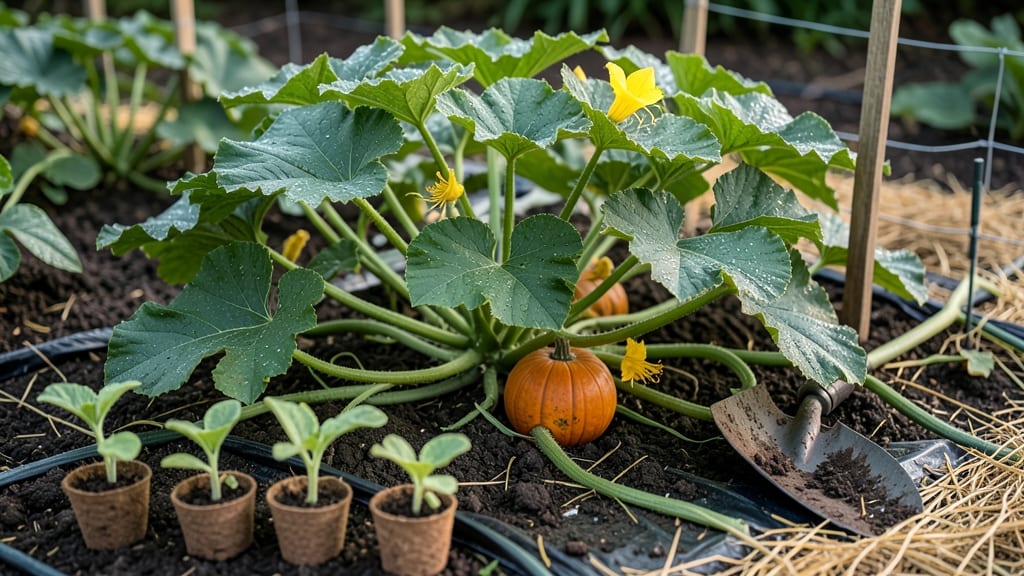
Planting pumpkins in Oregon isn’t as simple as tossing seeds into the dirt—your microclimate could mean the difference between a bumper crop of 🎃 and sad, wilted vines.
Coastal Portland gardeners have two extra weeks of growing season compared to inland Bend, where frost can sneak in earlier and put an end to your pumpkin dreams.
Timing is everything, and Oregon’s USDA zones 7b-9a create a patchwork of planting windows. While coastal areas like the Willamette Valley can start seeds as early as mid-April, high-desert regions near Bend should wait until late May to avoid frost damage.
Getting this wrong means stunted growth or worse—seeds that never sprout.
I’ve grown pumpkins across Oregon’s diverse elevations, and the key to success isn’t just the calendar—it’s understanding your soil, variety, and even your neighborhood’s microclimate quirks.
Whether you’re a coastal gardener with damp mornings or a desert dweller with scorching afternoons, I’ll show you exactly when to plant for maximum yield and how to adjust for Oregon’s unpredictable weather.
Ready to turn your pumpkin patch into a fall harvest goldmine? Let’s dive into the perfect planting schedule tailored to your corner of Oregon—because one size doesn’t fit all when it comes to growing these giants.
Oregon pumpkin planting calendar by elevation zones
Oregon’s three distinct elevation zones create wildly different growing conditions for pumpkins. Coastal areas stay cooler and wetter, while the Willamette Valley bakes in summer, and high-desert regions face intense heat and dry spells.
Planting at the wrong time can mean stunted vines or wasted seeds, so timing is everything. Let’s break down the optimal planting windows for each zone using USDA frost data.
Pumpkins thrive with 90-120 frost-free days, but Oregon’s zones vary from 150 days coastal to just 120 days in high desert. That means fast-maturing varieties are a must for inland gardeners.
Whether you’re in Portland’s fog belt, the Valley’s heat, or Bend’s arid climate, these timelines will help you avoid common pitfalls like late blight or heat stress.
Key rule: Wait until soil reaches 60°F+ and all frost risk has passed. Use these zone-specific dates as your guide, but always check your local last-frost averages—they can shift yearly. For example, Astoria’s last frost often hits May 15, while Redmond’s can be as early as April 15.
| Elevation Zone | Avg. Last Frost | Planting Window | Frost-Free Days | Best Varieties |
|---|---|---|---|---|
| Coastal (0-1,000 ft) | Mid-May | Late May to early June | 150-180 days | 'Jack Be Little', 'Sugar Pie' |
| Willamette Valley (1,000-2,000 ft) | Mid-April | Early April to mid-May | 130-150 days | 'Howden', 'Cinderella' |
| High Desert (2,000+ ft) | Late April | Late April to early May | 100-120 days | 'Small Sugar', 'Waltham Butternut' |
For coastal gardeners, the late-May start avoids spring chills while maximizing the longer growing season. Planting too early risks cold soil, which slows germination. Use black plastic mulch to warm the soil faster if needed.
In the Willamette Valley, where summers can hit 95°F+, early planting (by April 15) gives vines time to establish before heat stress kicks in.
High-desert zones like Bend or La Pine demand urgent action: plant by April 30 at the latest. These areas have the shortest frost-free windows, so prioritize compact varieties like 'Small Sugar' (75 days).
If you miss the window, consider container growing to extend the season or use a cloche for early starts.
Pro tip: Direct-sow seeds after your zone’s last frost—pumpkins hate transplants. Space seeds 1 inch deep in hills (3 seeds per mound, 4-6 feet apart) for better pollination. Coastal gardeners should also elevate beds to improve drainage, while desert growers should mulch heavily to retain moisture.
Watch for false springs, especially in coastal areas where May frosts can still occur. If nighttime temps drop below 50°F, cover young plants with frost cloth or a row tunnel. In the Valley, heatwaves in July can scorch vines—provide shade cloth if temps exceed 90°F for days.
Harvest timing varies too: coastal pumpkins may ripen by early October, while desert varieties could be ready by mid-September. Always check for hard rinds and dry stems—these are your cues. Store pumpkins in a cool, dry place (50-55°F) to extend shelf life for 2-3 months.
Local resources like Oregon State University Extension offer frost date maps—bookmark them! For real-time updates, join Oregon gardening Facebook groups where growers share yearly adjustments based on weather patterns. With these zone-specific dates, you’ll avoid the most common mistakes and grow pumpkins that’ll impress at every fall festival.
How to adjust planting for Oregon’s unpredictable weather patterns
Oregon’s weather throws curveballs—one week you’re battling coastal dampness, the next you’re sweltering in Willamette Valley heatwaves, and high-desert gardeners face dry spells that can dry out seedlings overnight.
I’ve learned the hard way that rigid planting schedules fail here. Instead, adapt your approach based on your region’s quirks.
For coastal areas (like the Oregon Coast or Portland outskirts), start seeds indoors by late March to give them a head start against slow soil warming. Transplant outdoors only after the last frost date—usually late April—but keep row covers handy for chilly mornings.
Inland areas like Eugene can plant directly in soil by early April, but watch for unexpected frost.
In the high desert (Bend, La Pine), wait until late May to plant, when soil temperatures reliably hit 60°F+. Use mulch heavily to retain moisture, as summer afternoons can dry soil quickly.
Even then, drip irrigation is a lifesaver—it delivers water directly to roots without wetting leaves, reducing powdery mildew risk.
⚠️ Warning: Oregon’s Weather Pitfalls
- Coastal dampness: Overwatering kills seedlings—test soil moisture before watering.
- Willamette Valley heat: Seedlings bolt if soil dries out; mulch immediately after planting.
- High-desert winds: Use windbreaks or plant near fences to protect young vines.
"I lost an entire patch in Bend last year because I ignored the wind—now I stake vines early!"
If late frosts threaten (common in the Cascade foothills), cover plants with frost cloth or move containers indoors temporarily. For early varieties, like ‘Jack Be Little,’ you can push planting dates slightly earlier, but avoid transplanting when soil is cold—roots rot quickly.
Pro tip: Monitor your local Oregon State University Extension frost maps weekly. They update last-frost dates dynamically, accounting for year-to-year variations. Pair that with a soil thermometer—pumpkin seeds need 60°F+ soil to germinate, and Oregon’s spring soil can be deceptively cold.
Finally, pollination is your biggest wild card. Oregon’s cooler summers can delay bee activity—hand-pollinate flowers if vines are healthy but fruits aren’t setting. A paintbrush dipped in water works perfectly. With these adjustments, you’ll outsmart Oregon’s weather and still end up with plump, prize-worthy pumpkins by fall.