
Companion Plants
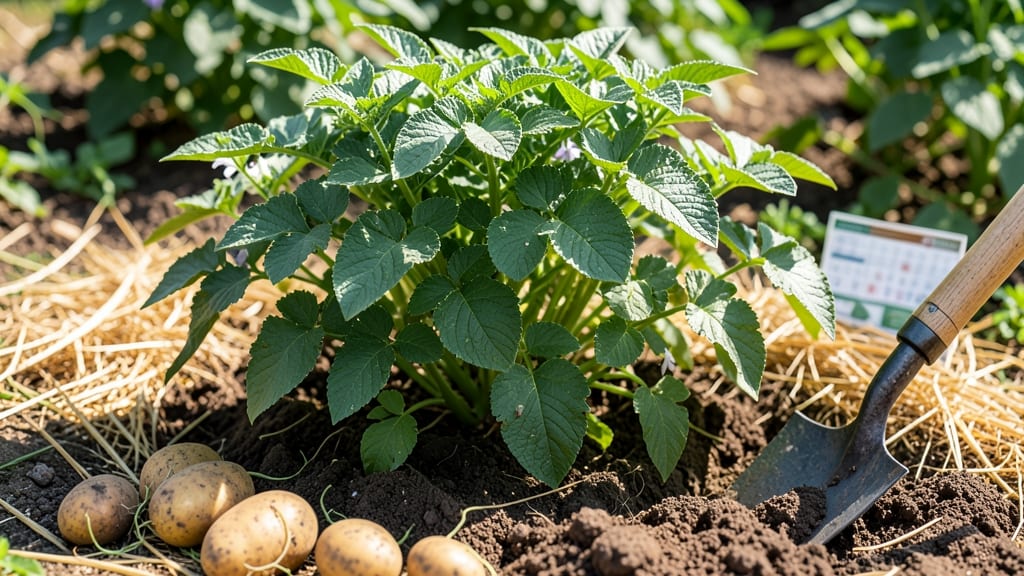
When should I plant potatoes in Zone 8? Timing your 🥔 potato planting isn't just about the calendar—it's about dodging bolting, heat stress, and frost surprises that can turn your harvest into a bust. Plant too early, and your tubers turn bitter; too late, and you risk stunted growth or no crop at all.
Most gardeners in Zone 8 swear by two windows: early spring (February–March) and late summer (July–August). But here's the catch—soil temperature matters more than the date. Aim for 45°F+ soil to avoid cold shock, and you'll set yourself up for sweet, crisp potatoes instead of tough, woody ones.
Whether you're a first-timer or a seasoned grower, I'll break down the exact months to plant, how to adjust for your microclimate, and why some varieties thrive while others fail. Let's get those 🥔 tubers growing the right way.
From frost dates to spacing secrets, you'll learn how to maximize your harvest—no guesswork, just proven strategies for Zone 8 success. Ready to dig in?
Best planting months for potatoes in Zone 8 to avoid bolting
In Zone 8, potatoes thrive when planted during two key windows: early spring (February-March) and late summer (July-August). The difference between these timings prevents bolting—when potatoes flower prematurely and produce bitter, woody tubers. Getting the timing right means sweet, crisp potatoes every time.
Your last frost date (typically around March 15) and first frost date (around November 15) are critical. Planting too early in cold soil (below 45°F) stunts growth, while planting too late risks heat stress. Let’s break down the ideal windows for your region.
Southern California (milder microclimate) can start as early as January, while Texas Hill Country (cooler nights) may need to wait until late February. Always check your local USDA frost map for precision.
For spring planting, aim to get seeds in the ground 2-4 weeks before your last frost date. This gives tubers time to establish before soil warms. Use a soil thermometer to confirm temps are consistently 45°F+—cold soil delays sprouting.
If you’re planting in late summer, focus on heat-tolerant varieties like ‘Yukon Gold’ or ‘Red LaSoda’. These handle 70°F+ soil better than standard types. Mulch heavily to keep roots cool and retain moisture during dry spells.
Zone 8 gardeners often ask: Can I plant potatoes in October? The answer is yes, but only in mild microclimates. Use fast-maturing varieties (60-80 days) and harvest before first frost. In cooler areas, stick to July-August for fall crops.
Pro tip: Chit your seed potatoes (sprout them indoors) 4-6 weeks before planting. This jumpstarts growth and compensates for slower soil warming in early spring. Place potatoes in a bright, cool spot (60°F) and watch for 1-inch sprouts before transplanting.
Remember: Bolting is your enemy in Zone 8. Long daylight hours (14+ hours in summer) trigger flowering. To prevent it, plant early varieties in spring and late varieties in summer. Avoid April-May plantings—this is peak bolting season.
For Southern California, extend your season by planting every 2-3 weeks from January through March. In Texas Hill Country, prioritize July-August plantings and use black plastic mulch to warm soil faster. Both regions benefit from raised beds for better drainage and temperature control.
🌱
How to extend your potato season in Zone 8 using successive plantings
Zone 8 gardeners can enjoy a continuous potato harvest by using successive plantings every 2-3 weeks. This simple strategy turns a single harvest into a spring-to-early-summer bounty of crisp, flavorful tubers. The key is selecting the right varieties and spacing plantings to avoid heat stress while maximizing your garden's potential.
Start with early-maturing varieties like 'Yukon Gold' or 'Red Norland', which can go from seed to harvest in 90 days or less. These varieties thrive in Zone 8's mild winters and won't bolt prematurely when temperatures rise.
Pair them with mid-season types like 'Kennebec' for a staggered harvest window that keeps your kitchen stocked all season.
- First planting: Late February - Use early varieties (60-75 days to harvest) to catch the spring market.
- Second planting: Early April - Switch to mid-season types (75-90 days) for summer harvests.
- Third planting: Mid-May - Plant heat-tolerant varieties like 'Red LaSoda' to avoid bolting.
- Final planting: Early July - Stop here to prevent heat stress before your first frost.
For each planting, prepare your soil beds with well-rotted compost and a balanced fertilizer (10-10-10). Plant seed potatoes 4-6 inches deep and 12 inches apart in rows 30 inches apart to allow for hilling.
As plants grow, hill soil around stems every 2-3 weeks to encourage tuber formation and prevent greening from sunlight exposure.
Monitor your soil temperature—potatoes won't sprout until it reaches 45°F. Use a soil thermometer to confirm readiness before planting. In Southern California, you can start as early as January, while Texas Hill Country gardeners should wait until March to avoid cold snaps.
Adjust your schedule based on your local last frost date.
Stop planting by early July to prevent heat stress, which causes potatoes to bolt (send up flower stalks) and produce small, bitter tubers. Instead, focus on harvesting your existing crops.
Use a fork to gently loosen soil and check for new potatoes (harvestable at 2-3 inches) or wait for full maturity for larger tubers.
With this method, you'll enjoy harvests every 3-4 weeks from April through July, giving you a longer season than traditional single plantings. Plus, you'll avoid the risk of bolting that plagues late-season plantings in Zone 8's warm climate. 🌱