
Plants
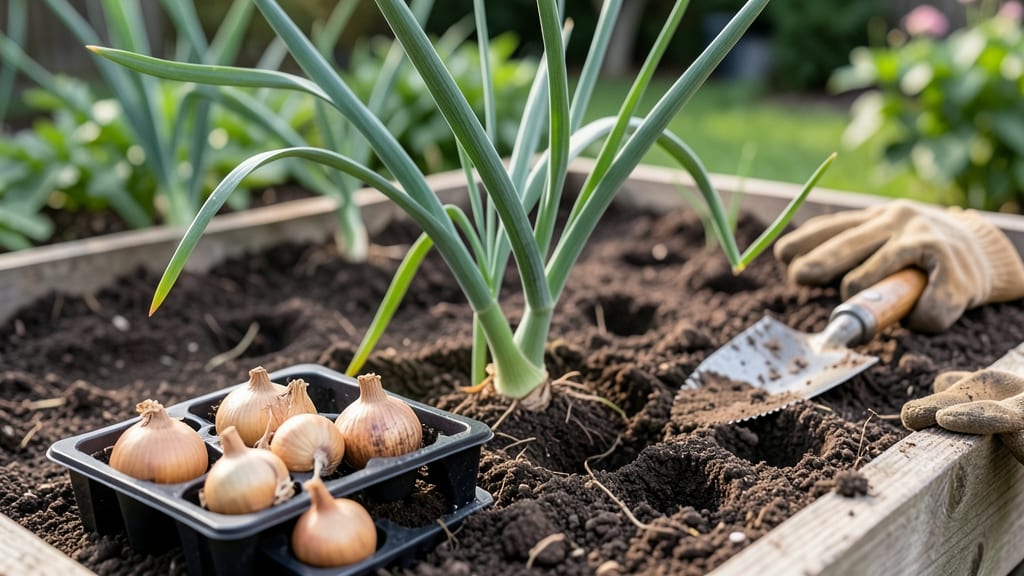
Planting onions in North Carolina isn’t just about sticking them in the dirt—it’s about outsmarting the state’s two very different climates to avoid bitter, bolted greens instead of sweet, plump bulbs.
Whether you’re in the cooler Piedmont or the milder Coastal Plain, timing your 🧅 crop just right means the difference between a harvest you’ll brag about and a season you’ll forget.
Most gardeners assume spring is the only window, but North Carolina’s 7a-8b zones actually allow for two planting seasons—spring and fall—with each region needing its own strategy.
I’ve grown onions here for years, and I’ve learned the hard way that planting too early or too late can trigger bolting, turning your onions into tough, pungent stalks before they even form bulbs.
In this guide, I’ll break down the exact planting windows for both regions, including how to adjust for microclimates, and share my foolproof tips for preventing bolting.
You’ll discover when to start seeds indoors, how to prep your soil for maximum bulb development, and even how to stretch your harvest with fall plantings.
Ready to grow onions that make your neighbors ask for recipes? Let’s get started with the timing that actually works in North Carolina.
Optimal North Carolina onion planting dates by region: Coastal vs Piedmont climate differences
North Carolina's onion planting success hinges on understanding your USDA Zone (7a-8b) and whether you're in the Coastal Plain or Piedmont region. These areas experience 10-14°F temperature differences during winter, dramatically affecting planting windows.
Coastal areas like Wilmington enjoy milder winters, while Piedmont cities like Raleigh face harder frosts—meaning earlier starts are critical to avoid bolting.
For Coastal NC, the mild climate allows fall and spring planting with wider windows. But Piedmont gardeners must work faster—soil temperatures below 50°F trigger bolting, so timing is tighter. Let's break down the exact windows that prevent bitter, flower-stalk-filled harvests and maximize bulb development.
🌱 Key Difference: Coastal areas can plant 4-6 weeks later than Piedmont due to their longer frost-free growing season (220+ days vs 180-200 days). This means fall-planted Coastal onions often mature before Piedmont's first frost, while Piedmont gardeners must rely more on spring planting.
In Coastal NC, I recommend starting with transplants or sets between February 15 and March 15 for spring onions. The milder climate lets you push fall planting later—August 15 to September 30—giving you two harvests per year.
For Piedmont gardeners, begin January 20 to February 28 to ensure bulbs mature before the November 1 frost.
Soil temperature is your biggest enemy in Piedmont. Onions bolt when soil drops below 50°F, so use black plastic mulch to warm the soil 2-3°F faster. In Coastal areas, focus on shade cloth during summer to prevent heat stress, which also triggers bolting.
Both regions benefit from raising beds—they warm up 10°F faster than flat ground in spring.
Microclimates matter too! Even within zones, low-lying areas stay cooler longer. If your garden sits in a frost pocket, plant 2 weeks later than the regional average.
Conversely, south-facing slopes warm up faster—plant 2 weeks earlier there. Use a soil thermometer ($10 at garden centers) to confirm when temps hit 55°F consistently for 5 days.
For fall planting, Coastal gardeners have the advantage. Aim for 8-10 weeks before first frost—so August 15 in Wilmington gives you a mid-October harvest.
Piedmont's shorter season means August 1 is your cutoff for fall onions. Use row covers to extend Coastal fall harvests into November if needed.
Pro tip: Piedmont gardeners should start onions indoors 8-10 weeks before last frost (around January 1) for larger bulbs. Coastal gardeners can direct-sow in February and still get market-size onions. The key difference? Piedmont's shorter season demands faster growth, so prioritize fertile soil and consistent moisture
How to avoid onion bolting in North Carolina: soil, variety, and spacing secrets
Onion bolting—when onions prematurely flower instead of forming bulbs—can turn your sweet harvest into a bitter disappointment. In North Carolina’s variable climate, bolting is often triggered by temperature fluctuations, poor soil conditions, or incorrect spacing.
The good news? With the right varieties, soil prep, and planting techniques, you can grow plump, flavorful onions year after year.
First, understand that North Carolina’s two distinct regions—Coastal and Piedmont—require different approaches. Coastal areas (like Wilmington) have milder winters and longer growing seasons, while Piedmont (Raleigh) faces colder temperatures and shorter days. Choosing the wrong onion variety for your zone is a surefire way to trigger bolting.
🌱 Critical Planting Mistake in NC:
Planting onions too early in spring (before March 15) or too late in fall (after September 15) forces them into bolting mode due to temperature stress. Piedmont gardeners must start indoor seeds 8-10 weeks before last frost, while Coastal gardeners can direct-sow as early as February.
For Piedmont’s cooler climate, opt for long-day onion varieties like ‘Candy’ or ‘Sweet Sandwich’. These varieties need 14+ hours of daylight to mature, making them perfect for North Carolina’s summer growing conditions.
In contrast, Coastal gardeners should choose short-day varieties like ‘Texas Early White’ or ‘Red Creole’, which thrive with 10-12 hours of daylight.
Soil preparation is just as critical as variety selection. Onions demand well-draining soil with a pH between 6.0 and 7.0. Test your soil and amend with compost or aged manure to improve organic matter. Poor drainage or compacted soil stresses plants, making them more susceptible to bolting.
Work in 2-3 inches of compost before planting to create an ideal environment.
Proper spacing prevents competition for nutrients and reduces stress. Plant onion sets or transplants 4-6 inches apart in rows 12-18 inches apart. Overcrowding forces onions to compete for sunlight and water, triggering bolting.
Thin seedlings to the recommended spacing once they reach 3-4 inches tall, using the thinned greens in salads or soups.
Finally, watch for temperature spikes during spring. If daytime temps exceed 80°F before bulbs mature, onions may bolt. Use shade cloth during peak heat or opt for fall planting (August-September) to avoid summer stress. Mulch with straw or grass clippings to regulate soil temperature and retain moisture.
With these soil, variety, and spacing secrets, you’ll grow bolt-free onions that store well and pack maximum flavor. Happy gardening! 🧅