
Companion Plants
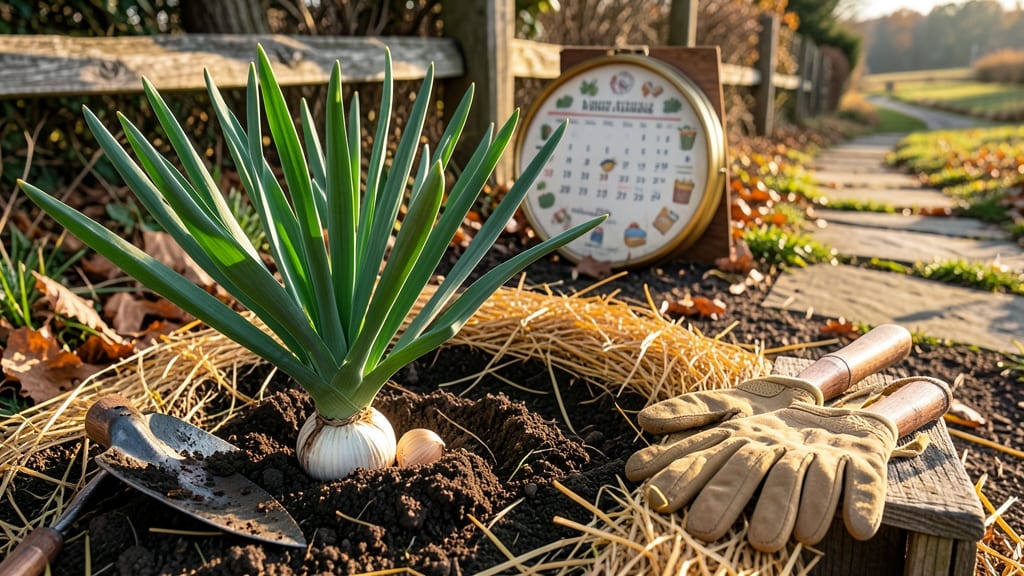
Planting garlic in Michigan isn't just about throwing cloves into the ground—it's about timing that can make or break your harvest. With hardneck varieties thriving in zones 5b-6b, fall planting is your best bet, but when exactly should you get those cloves in the soil?
I've learned the hard way that planting too early or too late can lead to rot or weak bulbs, so let me share the perfect window for Michigan's climate.
Most Michigan gardeners swear by mid-October to early November as the ideal time to plant garlic, giving the cloves enough time to root before winter sets in. This timing ensures your 🧄 garlic develops strong bulbs come summer, rather than struggling through a harsh winter.
But what if your first frost comes early? Or if you're in the Upper Peninsula where winters are colder? I'll break down how to adjust your planting schedule based on your specific location within the state.
You might think spring planting is an option, but hardneck varieties—like those popular in Michigan—need the cold to form bulbs properly. Skipping fall planting means missing out on the best flavor and size, and that's a trade-off no gardener wants to make.
Let me walk you through the science behind Michigan's frost dates and how they impact your garlic's success.
Whether you're a seasoned gardener or just starting out, getting this timing right is the key to a bountiful harvest next summer. I'll cover everything from soil prep to frost tolerance, so you can confidently plant your garlic and avoid common mistakes.
Ready to grow the best garlic Michigan has to offer? Let's get started.
Michigan’s ideal fall planting window for garlic (with hardiness zones 4-6)
Michigan’s cold winters and short growing season make fall planting the perfect strategy for hardneck garlic—if you time it right. The key is planting 4-6 weeks before the ground freezes, which typically lands between mid-October and early November across USDA zones 4-6.
This window ensures cloves establish roots before winter dormancy, setting the stage for robust bulbs next summer.
For Michigan gardeners, soil temperature is your best guide. Aim to plant when soil temps drop to 40-50°F (4-10°C) at 4 inches deep. In southern Michigan (zone 6), this usually means late October, while northern regions (zone 4) should plant by early October to avoid frost before root establishment.
Don’t let first frost dates fool you—garlic thrives with cold exposure. In fact, vernalization (cold treatment) triggers bulb formation. Just ensure cloves aren’t exposed to freezing ground for more than a few weeks without roots. A light snow cover (2-4 inches) actually helps insulate young plants.
| Zone | Ideal Planting Window | Soil Temp Threshold | Key Adjustments |
|---|---|---|---|
| 4 (Northern MI) | Early October | 40-45°F (4-7°C) | Plant by October 5; prioritize well-drained soil |
| 5 (Central MI) | Mid-October | 45-50°F (7-10°C) | Aim for October 15-20; mulch after planting |
| 6 (Southern MI) | Late October | 50-55°F (10-13°C) | Plant by November 1; protect from early frosts |
| All Zones | Spring Backup | 40°F+ (4°C+) | Plant March 1-15; harvest same year |
If you’re in zone 4 (like Traverse City or the Upper Peninsula), don’t wait past October 5—soil freezes quickly, and cloves won’t root properly. For zone 6 (Detroit or Kalamazoo), you have until November 1, but avoid planting after the first hard frost (28°F/-2°C) without protection.
Hardneck varieties like ‘Music’ or ‘German White’ perform best with 60-90 days of cold exposure. In Michigan, this happens naturally during winter, but early planting risks rot if soil stays soggy. Amend heavy clay soils with compost or sand to improve drainage—a critical fix for Michigan’s wet falls.
Pro tip: Use a soil thermometer to confirm temps. If ground temps drop below 35°F (2°C) before roots establish, mulch with 4-6 inches of straw to insulate cloves. This extra layer mimics Michigan’s natural snow cover and prevents heaving (when soil freezes and thaws, pushing cloves out).
For gardeners in zone 5b (like Grand Rapids), aim for October 15 as your sweet spot. This gives cloves time to root while ensuring they experience minimum 60 days below freezing—ideal for hardneck development. Late plantings (after November 1) may produce smaller bulbs or even fail entirely.
Don’t stress if Michigan’s weather throws you a curveball. A 2-4 week delay due to rain or mild temps is manageable, but avoid planting after November 15 unless you’re using a high tunnel.
Spring planting (March 1-15) is a backup, though bulbs will be 30-50% smaller than fall-planted garlic.
Remember: hardneck garlic is Michigan’s superstar because it loves cold. The more vernalization (cold treatment) it gets, the bigger and more flavorful your bulbs will be next summer.
With the right timing, you’ll harvest plump, papery-skinned garlic by late June or July—just in time for Michigan’s peak cooking season.
5 Critical factors that determine your perfect planting date in Michigan
When planning your garlic planting, Michigan's climate demands precision. The first frost date isn't the only factor—soil temperature, snow cover, and variety maturity all play crucial roles. In Detroit, you might plant in early November, while Traverse City's earlier frosts push planting to late October.
Understanding these 5 critical factors ensures your garlic thrives, not just survives.
Soil temperature is the foundation. Garlic cloves need 40-50°F soil to root before winter dormancy. In Michigan's USDA zones 4-6, this typically means planting when daytime highs drop to 50°F consistently. Use a soil thermometer to confirm—cold soil can stunt root growth, leading to weak bulbs next summer.
Here’s what you need to know to pinpoint your perfect planting window:
Plant when soil temps are 40-50°F—ideal for root establishment before frost. In Michigan, this usually aligns with mid-October to early November.
Detroit: Mid-October | Traverse City: Late September | Upper Peninsula: Early October. Plant 4-6 weeks before your average first frost.
Adequate snow acts as insulation. Southern Michigan needs 3-4 inches of snow cover; northern regions thrive with 6+ inches to protect cloves.
Hardnecks (like 'Music' or 'German White') need 90-110 days to mature. Plant early enough to allow 6-8 weeks of root growth before winter.
Urban areas (like Ann Arbor) warm faster than rural farms. Adjust planting 1-2 weeks later if your garden retains heat longer.
Don’t overlook local microclimates—even within Michigan, urban gardens can delay frost by 1-2 weeks. For example, Grand Rapids’ urban heat islands may allow planting until early November, while the Upper Peninsula’s colder air demands earlier action. Always check historical frost data for your specific ZIP code.
Pro tip: If your soil stays warmer than 50°F past November, hold off planting. Warm soil can trigger premature sprouting, leaving cloves vulnerable to rot or frost damage. Use a soil thermometer to avoid this common mistake.
Timing your garlic planting around these factors ensures robust bulbs by next summer. For Michigan gardeners, the sweet spot is mid-October to early November—but adjust based on your region’s unique conditions. Happy planting! 🧄