
Plants
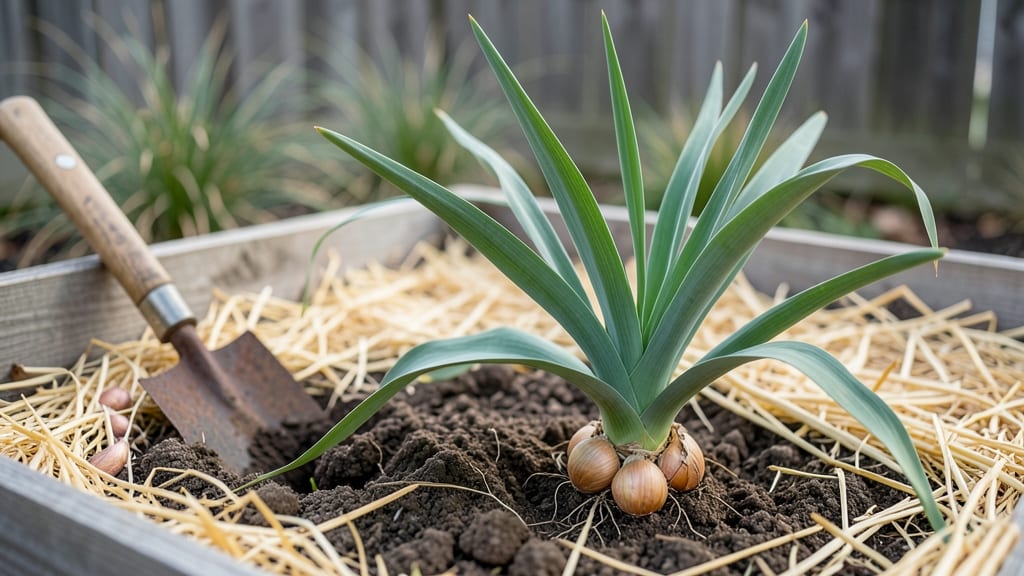
Planting garlic in Georgia at the wrong time can turn your 🧄 garden dreams into a disappointing harvest—or worse, bolting before you even get a chance to enjoy it.
The key to growing plump, flavorful bulbs lies in understanding your local climate and timing your planting just right, especially in zones 7b-8b.
Most Georgia gardeners know fall is the magic window, but the exact timing matters more than you might think. Plant too early, and your garlic could bolt prematurely; too late, and frost might damage the young plants before they establish roots.
I’ve tested the perfect schedule over the years, and the results speak for themselves.
In this guide, I’ll break down the optimal planting months for your region, soil prep secrets, and how to adjust for Georgia’s unpredictable weather.
Whether you’re a seasoned gardener or just starting with cloves, these insights will help you grow garlic that’s bigger, stronger, and ready to harvest by next spring.
Let’s get your garlic off to the best possible start—because the difference between a mediocre crop and a bumper harvest often comes down to a few weeks of precise timing. Ready to learn the exact steps?
Georgia garlic planting timeline: exact months and climate zones
Georgia's mild winters and warm springs create the perfect conditions for growing hardneck and softneck garlic, but timing is everything. Planting too early triggers bolting (premature flowering), while planting too late results in small, underdeveloped bulbs.
The key lies in Georgia's USDA Zones 7a-8b, where soil temperatures and frost patterns dictate the ideal window.
Most Georgia gardeners achieve the best results by planting between mid-October and mid-November. This timing ensures garlic establishes roots before winter dormancy while avoiding early spring warmth that can trigger bolting.
For Zone 7a (northern GA), aim for late October, while Zone 8b (southern GA) can extend planting until early December in mild microclimates.
Your soil temperature is the most critical factor—garlic cloves need 45-65°F (7-18°C) soil to establish roots before winter. Use a soil thermometer to confirm readiness; if temperatures exceed 65°F (18°C), wait 2-3 weeks to avoid bolting.
In Zone 8b, where winters are milder, you can sometimes plant as late as early December, but bulbs may be smaller.
Georgia's microclimates play a huge role—urban areas like Atlanta (Zone 7b) often experience colder winters than rural southwest Georgia (Zone 8a). If you're in a cooler microclimate, plant hardneck varieties like 'Chesnok Red' for better cold tolerance.
For warmer microclimates, opt for softneck varieties that store longer, such as 'California Early'.
Never plant garlic in spring—Georgia's warm springs trigger bolting within 6-8 weeks. The only exception is if you're using garlic seedlings (not cloves) in Zone 8bfall planting is non-negotiable for quality bulbs.
Watch for early frost warnings in November—if frost arrives before your garlic roots establish, mulch with 4-6 inches of straw to protect cloves. In Zone 7a, where frosts are more severe, plant 2-3 weeks earlier than Zone 8b to give roots time to develop.
A general rule: plant when daytime highs average 70°F (21°C) and nights drop below 50°F (10°C).
For container growing in Georgia, plant in late October regardless of zone—containers warm up faster and can trigger bolting. Use black plastic pots to absorb heat and extend your planting window by 1-2 weeks. Place containers in partial shade during peak afternoon sun to prevent overheating.
After planting, mark your garlic rows with stakes or flags—Georgia's mild winters mean you won't see shoots until late winter or early spring. Patience is key: bulbs develop underground over 9-10 months, with harvest typically in April-May.
The earlier you plant in the optimal window, the larger your bulbs will be.
Pro tip: Test your soil pH before planting—Georgia's clay soils often need
When planting garlic in Georgia, I've learned that success hinges on more than just timing. The soil pH, bulb variety, and even the moon phases play pivotal roles in ensuring your garlic thrives. Georgia's unique climate—with its Zone 7b-8b classification and unpredictable rainfall—demands careful attention to these factors to avoid common pitfalls like bolting or poor bulb formation. First, let's address the foundation of any successful garlic patch: soil preparation. Georgia's native soil often sits at a pH of 6.0-7.0, which is ideal for garlic. However, urban areas might require amendments like compost or sulfur to achieve this balance. I always test my soil before planting—it's a small investment that pays off with bigger, healthier bulbs. Next, choosing the right garlic bulb variety makes all the difference in Georgia. Hardneck garlic thrives in our cooler winters and produces the prized scapes, while softneck varieties store better and are more drought-tolerant—ideal for urban gardeners with limited water access. I always opt for locally adapted varieties like 'Music' or 'German White' for hardneck, as they handle our Zone 7b-8b climate beautifully. Don't overlook the moon phases when scheduling your planting. I've found that planting during the waxing moon (when the moon is growing brighter) encourages stronger root development, which is critical for garlic's long growing season. Georgia's unpredictable weather means we can't rely solely on dates—aligning with lunar cycles gives your garlic an extra advantage. Check the Old Farmer's Almanac for Georgia-specific planting dates each year. Georgia's rainfall patterns present another challenge. While our state averages 50-55 inches annually, urban areas often experience drought conditions. After planting, aim for 1-1.5 inches of water per week, either from rainfall or irrigation. I always apply mulch (straw or leaves) to retain moisture and regulate soil temperature. In rural areas, natural rainfall often suffices, but urban gardeners should monitor soil moisture closely. Finally, urban and rural gardeners face different growing conditions that require tailored approaches. In cities, container gardening is often the best solution—use pots at least 12 inches deep with drainage holes. Rural gardeners should focus on soil loosening and avoiding low-lying areas where water pools. Both settings need full sun exposure (6+ hours daily), but urban spaces might require creative solutions like vertical gardens or reflective surfaces to maximize sunlight. By mastering these five critical factors, you'll transform your Georgia garlic patch from a gamble to a guaranteed success. Start with soil prep, choose the right bulb type, time your planting with the moon phases, manage water wisely, and adapt to your urban or rural setting. Your future harvests will thank you! 🧄5 Critical factors that determine your planting success in Georgia