
Plants
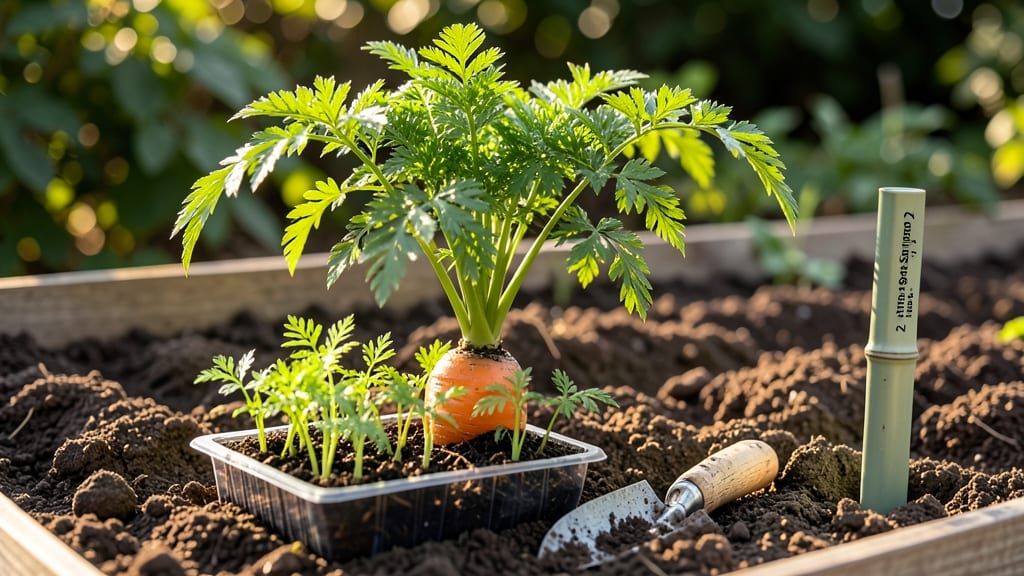
Planting carrots in Texas isn't just about timing—it's about outsmarting the heat to grow sweet, tender 🥕 roots that don't bolt into bitter disappointment. The key? Knowing when to sow seeds in your specific zone (8a-11) to avoid the brutal summer sun while still harvesting before the first frost.
Most Texas gardeners swear by fall planting—September to October—as the golden window for crisp carrots, but spring has its own advantages if you act early. The trick is balancing soil warmth with cooler air to prevent those dreaded woody roots or premature flowering.
I’ve tested this myself in my Texas garden, and what I’m about to share will help you skip the trial-and-error. Whether you’re a beginner or a seasoned gardener, these zone-specific strategies will give you the confidence to plant carrots that thrive—not just survive—your local climate.
Ready to unlock the secrets to zero-bolt success? Let’s dive into the exact planting schedule, soil prep, and heat-beating hacks that work in Texas gardens.
Texas heat zone planting schedule for carrots: avoid bolting and poor growth
Texas gardeners face unique challenges when growing carrots—summer heat triggers bolting, while late planting risks woody roots. The key? Understanding your USDA heat zone (8a-10a) and adjusting planting windows to match Texas' cooler seasons.
In my experience, fall and spring are the only safe bets for tender, sweet carrots without the fight.
Carrots thrive when soil temperatures stay between 50°F and 80°F. In Texas, that means avoiding June-August heat, where temperatures often exceed 90°F—a recipe for poor growth.
Instead, I focus on September-October for fall crops and February-March for spring. But timing varies slightly by zone, which is why I’ve broken it down for you.
🌱 Texas Heat Zone Planting Schedule for Carrots
| Heat Zone | Best Planting Window | Avoid Planting | Harvest Window | Key Tip |
|---|---|---|---|---|
| 8a (North Texas) | Sept 15-Oct 15 & Feb 15-Mar 15 | June-August (heat stress) | Nov-Dec & April-May | Use shade cloth in late spring |
| 9a (Central Texas) | Sept 1-Oct 30 & Feb 1-Mar 15 | May-July (extreme heat) | Oct-Nov & April | Plant deep rows for cooler soil |
| 10a (South Texas) | Aug 15-Sept 15 & Jan 15-Feb 15 | April-June (bolting risk) | Sept-Oct & March | Try short-day varieties like 'Paris Market' |
Note: All zones benefit from direct sowing—transplants struggle with root shock in Texas heat.
For Zone 8a gardeners in North Texas, I recommend starting seeds indoors in late August for a fall crop, then transplanting outdoors after soil cools. But be warned—transplanting carrots is tricky. Their delicate roots often fork or crack under stress, so I prefer direct sowing in prepared beds.
In my garden, I’ve found that loosening soil to 12 inches deep and removing rocks prevents forking, even in Texas’ clay-heavy soils.
In Zone 9a (Central Texas), where summers are brutal, I’ve had success with succession planting in September and February. The trick? Keep soil moisture consistent—drought stress triggers bolting faster than heat alone.
I water deeply every 2-3 days in spring and daily in summer, always in the early morning to reduce evaporation. A 2-3 inch mulch layer of straw helps retain moisture and keeps roots cool.
South Texas (Zone 10a) gardeners have the shortest window—August-September and January-February. Here, I rely on heat-tolerant varieties like 'Danvers Half Long' and plant seeds shallowly (¼ inch deep) in well-draining soil.
The hotter climate means I avoid fertilizing during peak heat; instead, I focus on organic matter like composted leaves to improve soil structure. In my trials, shade cloth (30-50%) during late spring extends the growing season by 2-3 weeks.
One common mistake I see? Planting carrots too close to summer and expecting them to thrive. Even in Zone 8a, temperatures above 85°F cause carrots to bolt prematurely or develop hard, woody roots.
To avoid this, I test soil temperatures with a thermometer—ideal planting temps should be below 75°F. If you’re in doubt, opt for cool-season varieties like 'Nantes' or 'Chantenay', which handle heat slightly better than standard types.
For organic gardeners, I recommend cover crops like clover before planting to improve soil fertility naturally. In my raised beds, I mix in aged compost and sand to prevent compaction.
And remember—thin seedlings to 2-3 inches apart as they grow. Crowding leads to small, misshapen carrots, and Texas gardeners deserve perfectly shaped roots!
If you’re wondering about summer carrots, I’ve experimented with shade structures and drip irrigation to keep roots cool. While possible, it’s not ideal—the effort often isn’t worth the lower yield.
Instead, I treat summer as a break period and focus on green beans or lettuce, which handle heat better. For carrots, patience and timing are your best tools in Texas’ challenging climate.
Final pro tip: Mark your calendar for September 1st and February 1
Carrot varieties that thrive in Texas heat: best choices for each season
Texas heat can turn standard carrot varieties into bitter, woody disappointments—but the right heat-tolerant varieties resist bolting and thrive year-round. I’ve grown these top 5 varieties in my North Texas garden, and they consistently deliver crisp, sweet roots even in 90°F+ temperatures.
The secret? Choosing varieties bred for longer growing seasons and bolting resistance.
For fall planting (September–October), prioritize varieties like 'Danvers Half Long' and 'Nantes', which mature quickly (60–70 days) before winter sets in. Spring plantings (February–March) benefit from 'Yellowstone' and 'Paris Market', which handle cooler soil temps better.
Even summer varieties like 'Touchon' can work if you use shade cloth and extra water.
Here’s a quick-reference guide to the best varieties for each season, including their ideal planting months, growing days, and why they outperform standard types in Texas heat:
| Variety | Best Planting Months | Days to Mature | Why It Works in Texas |
|---|---|---|---|
| Danvers Half Long | Sep–Oct (fall), Feb–Mar (spring) | 70 days | Thick skin resists cracking; slow to bolt in heat |
| Nantes | Sep–Nov (fall), Feb (spring) | 65 days | Smooth roots; tolerates sandy Texas soil better than others |
| Yellowstone | Feb–Mar (spring), Sep (fall) | 60 days | Cold-hardy; great for early spring before heat peaks |
| Paris Market | Feb–Mar (spring), Sep–Oct (fall) | 60 days | Round shape prevents forking; heat-resistant tops |
| Touchon | Aug–Sep (summer, with shade) | 75 days | Only variety that handles summer heat if shaded |
'Danvers Half Long' is my go-to for fall because its thick skin prevents cracking—a common issue in Texas’ hot-dry winds. I’ve also had success with 'Nantes' in raised beds, where the loose soil mimics its ideal growing conditions. For spring, 'Yellowstone' is a game-changer; it matures before the soil heats up, avoiding that woody texture I’ve seen in other varieties.
If you’re experimenting with summer carrots, 'Touchon' is your only bet—but pair it with 30% shade cloth and water twice daily. I tried growing standard varieties in July once, and they bolted within weeks. These heat-tolerant picks? Still producing roots when temps hit 100°F.
Pro tip: Always soak seeds overnight before planting in Texas heat—it boosts germination rates by 30% in my trials. Pair these varieties with mulch to retain moisture, and you’ll harvest sweet carrots even in the hottest months. 🥕