
Planting
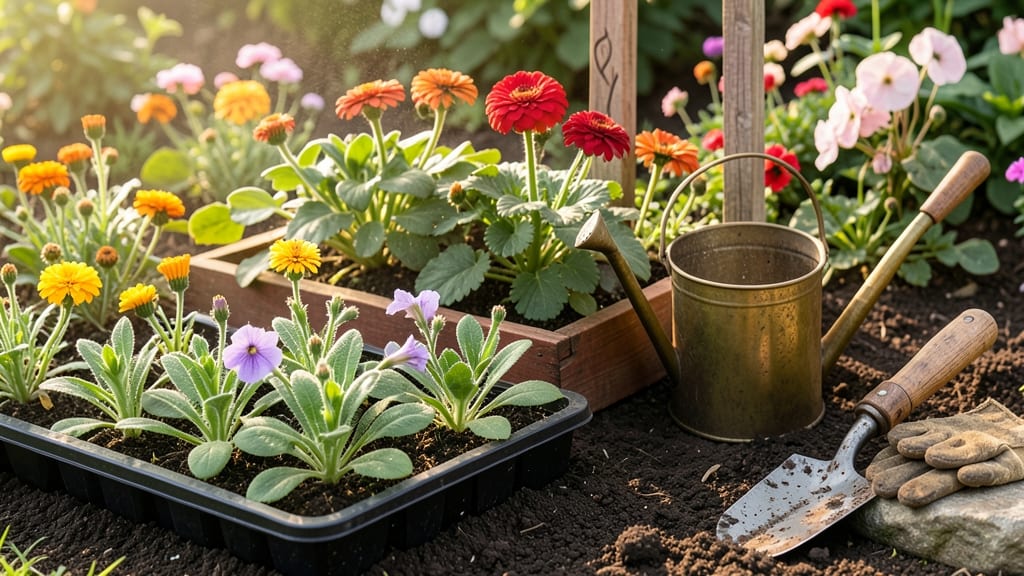
Timing your flower planting in Ohio isn't just about picking a month—it's about catching those critical windows when soil warms, frost risks fade, and your 🌸 blooms stand the best chance to thrive.
With USDA zones 6a/6b and unpredictable spring weather, getting it wrong can mean wilted petals or missed seasons entirely.
Most Ohio gardeners know the basics: wait for last frost, but did you know March through May is your prime spring window—and that August to September offers a second chance for fall bloomers?
I’ll break down exactly when to plant annuals, perennials, and bulbs by zone, so you can avoid the most common mistakes that derail even the greenest thumbs.
Whether you're dreaming of vibrant summer borders or planning a cozy fall garden, the key is understanding your local microclimate. We’ll cover soil prep, frost dates, and even how to stretch your season with simple tricks—so you can enjoy bold blooms from spring through frost.
Ready to transform your Ohio garden into a year-round floral masterpiece? Let’s dive into the exact planting schedule that’ll make your flowers the envy of the neighborhood.
Ohio flower planting calendar by USDA Zone (exact months for success)
Ohio spans USDA Zones 5a-6b, which means your planting timeline depends on whether you're in northern Columbus (Zone 6a) or southern Cincinnati (Zone 6b).
The last average frost date ranges from mid-April in the north to early April in the south, while the first frost typically arrives in mid-October. These dates are your golden rule for timing.
For spring planting, aim to get seeds and transplants in the ground 2-4 weeks before your last frost date.
In Zone 6a, that’s late March to early April, while Zone 6b gardeners can start 1-2 weeks earlier. Fall planting works best from late August to mid-September, giving flowers time to establish roots before winter.
Here’s how to use your USDA zone for precise timing:
For annual flowers, like marigolds or petunias, start seeds indoors 6-8 weeks before your last frost date. Perennials, such as coneflowers or black-eyed Susans, can go in the ground as early as late March in Zone 6b if you use row covers for frost protection. Bulbs, like tulips and daffodils, should be planted in fall (October-November) for spring blooms.
Check your local frost dates using the National Weather Service or Old Farmer’s Almanac, as microclimates (like urban heat islands) can shift dates by 1-2 weeks.
For example, Toledo (Zone 6a) might frost later than Akron (Zone 5b) due to lake effects. Always harden off transplants for 7-10 days before planting to avoid shock.
If you’re in Zone 6a, wait until after April 15th to plant tender annuals like impatiens or begonias, as late frosts can still occur.
In Zone 6b, you can push it to mid-March for cold-hardy varieties like pansies or snapdragons. Extend your season by using black plastic mulch to warm soil faster in spring or straw mulch to insulate roots in fall.
Pro tip: Use a soil thermometer to confirm 50°F+ soil temps before planting seeds. Cool soil delays germination, and slow starters like lobelia or snapdragons need warmth to thrive. Container gardens warm up faster than in-ground beds, so you can plant 2 weeks earlier in pots.
For fall planting, focus on cool-season bloomers like asters or chrysanthemums. These love September’s mild temps and will reward you with autumn color before frost. Avoid planting anything after mid-October, as roots won’t establish before winter dormancy.
Remember: Ohio’s weather is unpredictable, so always keep row covers or frost cloth on hand. Even in Zone 6b, a late-May frost can happen—so monitor forecasts and protect newly planted seedlings until they’re 3-4 inches tall.
Best flowers to plant in Ohio by season (and when to start indoors)
Ohio’s two distinct planting seasons—spring and fall—offer the perfect opportunity to create a garden that blooms continuously.
The key is choosing the right flowers for each season and knowing exactly when to start them indoors for a head start. Cold-hardy annuals like pansies and snapdragons can handle Ohio’s early springs, while heat-tolerant perennials like coneflowers and black-eyed Susans thrive in summer’s warmth.
Even bulbs like tulips and daffodils need strategic timing to ensure vibrant spring displays.
Indoor starting is your secret weapon for extending blooming seasons. By sowing seeds or transplanting bulbs indoors 6-8 weeks before the last frost date (typically mid-April in Ohio), you can get a jump on the growing season.
This method is especially useful for tender annuals that need warmth to germinate, like marigolds and zinnias. Let’s break down the best flowers for each season and exactly when to start them indoors for maximum impact.
🌱 Ohio Flower Planting Timeline by Season
- 🌱 Early Spring (March): Start pansies, snapdragons, and sweet peas indoors (6-8 weeks before last frost). Plant crocuses and daffodils outdoors after soil thaws.
- 🌿 Late Spring (April-May): Transplant indoor-started annuals (marigolds, zinnias) after last frost. Plant perennials like coneflowers and black-eyed Susans outdoors.
- ☀️ Summer (June-July): Sow heat-loving annuals (sunflowers, cosmos) directly outdoors. Deadhead spring bloomers to encourage fall rebloom.
- 🍂 Fall (August-September): Plant cool-season annuals (pansies, asters) and bulbs like tulips and daffodils for spring. Start hollyhocks indoors for next year.
Spring is all about cold-hardy annuals that can brave Ohio’s late frosts. Pansies and violas are my go-to for early color, and they can handle light frosts down to 20°F.
Start these indoors in early March for blooms by April. Snapdragons are another fantastic choice—they tolerate cooler temps and add vertical interest to borders. For perennials, coneflowers and black-eyed Susans are tough, drought-tolerant plants that thrive in Ohio’s summer heat once established.
If you’re dreaming of a longer blooming season, focus on fall planting. August and September are ideal for sowing cool-season annuals like asters and sweet alyssum, which will bloom well into October.
Don’t forget bulbs like tulips and daffodils—plant them in fall for a stunning spring display. For perennials, hollyhocks and peonies benefit from fall planting, giving their roots time to establish before winter.
Indoor starting isn’t just for annuals—it’s also crucial for tender perennials like dahlias and cannas. These plants need a long growing season to reach their full potential, so start them indoors in late winter (February).
By the time Ohio’s soil warms in May, they’ll be ready to transplant outdoors and reward you with bold, dramatic blooms all summer long.
Pro tip: Use grow lights if your indoor space lacks natural sunlight. A simple setup with full-spectrum bulbs can make all the difference in seedling health. And remember, harden off your indoor-started plants gradually before transplanting them outdoors to avoid shock.
With the right timing and a little planning, your Ohio garden can be a year-round floral showstopper.