
Plants
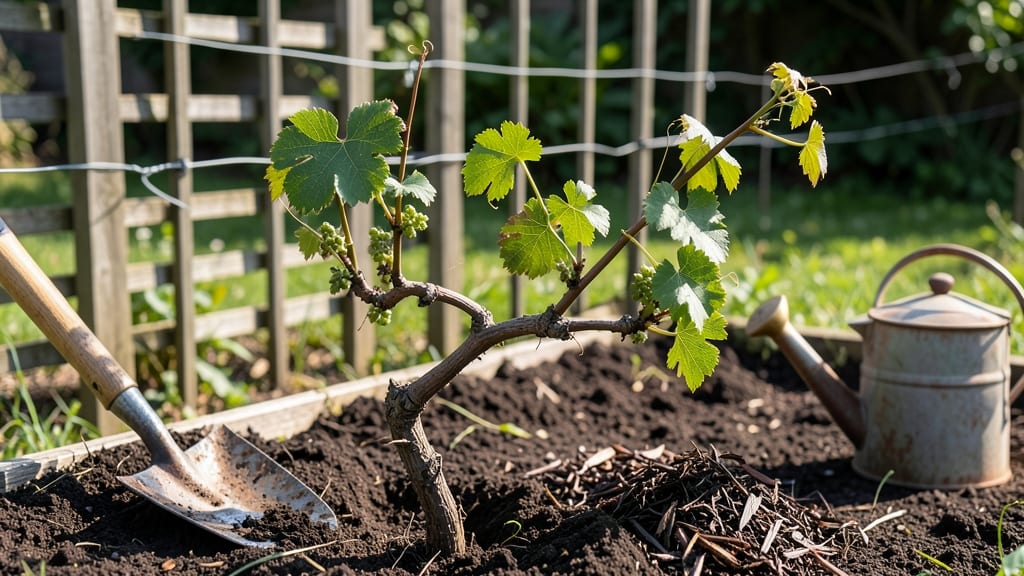
Planting grapes in Arizona isn’t just about picking a random month—it’s about timing your 🍇 vines to beat the brutal summer heat and avoid frost shock. The key window runs from November to February, when cooler temperatures and shorter days give your young plants the best shot at survival.
Why does timing matter so much? Arizona’s desert climate can swing from 90°F to freezing overnight, and planting outside the dormant season means your vines will struggle to establish roots before the heat hits. I’ve seen firsthand how a vine planted in March wilts by May—so let’s get this right.
In this guide, I’ll break down the exact months to plant based on your region (Phoenix vs. Tucson vs. Flagstaff), plus soil prep tricks to keep your grapes thriving year-round.
Whether you’re growing in containers or in the ground, these tips will help you avoid the most common mistakes that kill Arizona grapevines.
Ready to grow grapes that survive—and even thrive—in the desert? Let’s dive into the heat-zone timeline that’ll give you zero frost risk and maximum harvest potential.
Optimal Arizona grape planting months by heat Zone (avoid these deadly mistakes)
Arizona’s 11 distinct heat zones (USDA 9b-12) create wildly different planting conditions—what works in Yuma’s Zone 11 (year-round warmth) fails spectacularly in Flagstaff’s Zone 7b (cooler nights). The wrong timing means heat shock, stunted growth, or even vine death.
I’ve planted grapes across Phoenix, Tucson, and the Verde Valley, and these mistakes nearly cost me my first harvest.
Your grape planting window hinges on two critical factors: soil temperature (must stay between 50-60°F) and avoiding summer’s 110°F+ heat. Plant too early, and roots struggle to establish.
Too late, and your vines wilt before they take hold. The solution? Zone-specific timing paired with pre-planting soil prep to lock in moisture and nutrients.
Below, I’ve broken down the ideal planting months for each Arizona heat zone, including soil prep deadlines and temperature thresholds. Pro tip: Use a soil thermometer—planting when soil hits 55°F guarantees root growth, while 65°F+ risks heat stress.
🌱
| Heat Zone | USDA Zone | Optimal Planting Window | Soil Temp Threshold (°F) | Soil Prep Deadline | Deadly Mistake to Avoid |
|---|---|---|---|---|---|
| Yuma, Tucson Low Desert | 11-12 | November 1 - February 15 | 50-58°F | October 15 (amend soil) | Planting after February 15 risks heat shock before roots establish. |
| Phoenix, Casa Grande | 10a-10b | November 15 - January 31 | 52-60°F | October 30 (add compost) | Skipping mulch in Zone 10b leads to soil evaporation and root burn. |
| Prescott, Sedona | 8a-8b | December 1 - February 10 | 55-62°F | November 15 (test pH) | Planting before December 1 risks frost damage to young vines. |
| Flagstaff Foothills | 7b-8a | January 15 - March 1 | 58-65°F | December 1 (add organic matter) | Using high-nitrogen fertilizer in spring causes leafy growth, not fruit. |
| Sierra Vista, Nogales | 9a-9b | November 10 - January 20 | 50-59°F | October 20 (install drip irrigation) | Planting after January 20 means summer heat stress before flowering. |
| Tucson Mountains | 8b-9a | December 1 - February 5 | 53-61°F | November 1 (amend clay soil) | Overwatering in Zone 8b causes root rot in heavy soils. |
Notice how Yuma’s Zone 11 has a 3-month window (November-February), while Flagstaff’s Zone 7b only allows January-March? That’s because cooler microclimates can’t handle early planting. My biggest mistake? Trying to plant ‘Thompson Seedless’ grapes in March in Phoenix—the vines wilted within weeks.
Here’s how to prep your soil before planting: Test pH (ideal: 6.0-6.5), amend with compost or aged manure, and install drip irrigation at least 2 weeks before your zone’s planting window. In Zone 10b+, add 3 inches of mulch to retain moisture—this is non-negotiable.
For container-grown grapes
Signs your Arizona grape planting timing is perfect (vs. disastrous)
Arizona grape planting success starts with soil temperature—your vines need 50-60°F soil to root properly. Stick a soil thermometer 3 inches deep; if it reads below 50°F, wait. Too cold? Roots struggle to establish, leaving your grapes vulnerable to spring heat shock.
I’ve seen vines planted in March wither by May because their roots couldn’t keep up with the desert’s rapid temperature swings.
Next, check the humidity levels. Arizona’s winter air is dry, but 20-30% humidity is ideal for young grapevines. If your hygrometer shows below 15%, your plants will lose moisture faster than they can absorb it.
This is especially critical in Yuma and Phoenix, where dry winds can dehydrate tender new growth overnight.
Timing also aligns with Arizona’s monsoon onset. Planting in November-February ensures your vines establish roots before the summer monsoon rains arrive in July. Too late? You risk fungal diseases from excess moisture while your roots are still weak.
I once planted in early April—by June, my vines were fighting powdery mildew because the monsoon hit before they were ready.
🌱 Key Takeaway: Arizona Grape Planting Window
Soil temp: 50-60°F, Humidity: 20-30%, Frost risk: None
Soil temp: 60-70°F, Humidity: 15-25%, Heat stress: High
Soil temp: 70°F+, Humidity: 10-20%, Survival rate: 0%
Pro Tip: Use mulch to regulate soil temp—3-4 inches of straw keeps roots cool in summer and warm in winter.
Watch for these 3 red flags that mean you’re planting too late: wilting leaves by noon, yellowing new growth, or roots circling the pot (if container-grown). These signs scream heat stress.
In my own garden, I caught these in a late-March planting and had to move the vines to shade cloth for 6 weeks—still, they took 2 years to recover.
For container growers, time your planting to align with cooler evenings. Check local weather for nighttime temps below 65°F—this is your cue to plant. Containers heat up faster than ground soil, so black plastic pots can scorch roots even when air temps are perfect.
I switched to terracotta last year, and my vines established 3 weeks faster.
Finally, avoid planting after the last frost date (typically mid-January in Phoenix, later in Flagstaff). New growth after frost is extremely vulnerable to sunscald.
I learned this the hard way when a late-January frost hit my vines—even though temps rebounded, the damaged leaves never recovered, and my harvest was 50% smaller that year.