
Plants
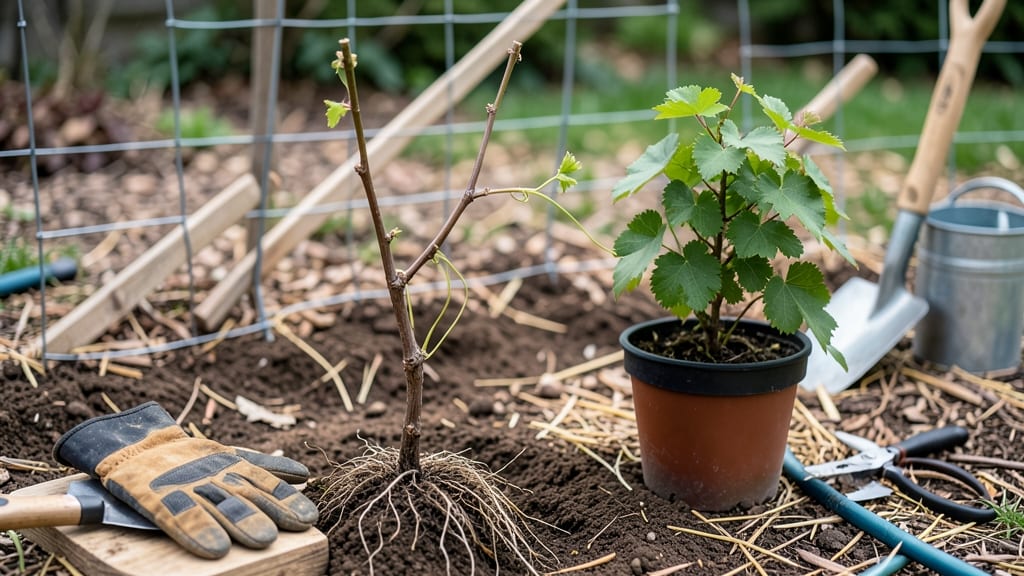
Planting grapes in Alabama’s 7b-8a heat zones isn’t just about timing—it’s about giving your 🍇 vines the best shot at thriving in your humid climate. Skip the wrong window, and you risk weak growth or disease before your first harvest.
The secret? Planting when soil temps are cool but frost-free, whether you choose fall’s mild weather or spring’s early burst of energy.
Most Alabama gardeners swear by September-October for fall planting, when vines establish roots before winter dormancy. But if you prefer spring, aim for March-April, after the last frost but before summer’s scorching heat.
Either way, the key is preparing your site right—well-drained soil, full sun, and a sturdy trellis—so your grapes grow strong from day one.
I’ve seen firsthand how dormant bare-root vines take off when planted at the perfect time. Whether you’re a first-timer or a seasoned grower, this guide breaks down the science behind Alabama’s planting schedule—plus pro tips to avoid common mistakes that trip up even experienced gardeners.
Ready to grow grapes that burst with flavor? Let’s dive into the exact timing, soil prep, and care tricks that’ll have your vines reaching for the sky—and your harvest table overflowing by August-October.
Best planting windows for Alabama grapes: fall vs spring timing explained
Alabama’s Heat Zones 7b-8a create a unique challenge for grape growers—too early, and young vines suffer from spring frost; too late, and they struggle to establish roots before winter. The optimal planting windows are September-October (fall) or March-April (spring), but timing depends on your region.
Northern Alabama’s cooler microclimates lean toward late March planting, while Southern Alabama’s warmer zones can extend fall planting into early November.
Fall planting is my top recommendation for Alabama because cooler soil temperatures reduce stress on vines and allow roots to establish before dormancy. Spring planting, however, gives vines the entire growing season to mature—critical for disease resistance in Alabama’s humid summers.
Both methods work, but soil temperature is the deciding factor: aim for 60-70°F soil temps when planting.
Here’s the science-backed breakdown of when to plant grapes in Alabama, including regional adjustments:
For bare-root vines (the most common planting method in Alabama), fall planting is ideal because vines enter dormancy naturally, reducing transplant shock. If you choose spring planting, avoid planting after April 15 in Northern Alabama—vines may not harden off before summer heat arrives.
In Southern Alabama, you can push spring planting to mid-May, but be prepared for increased irrigation needs during Alabama’s brutal summer.
Pro tip: Use a soil thermometer to monitor temperatures. If soil temps drop below 50°F before roots establish (typically 4-6 weeks after planting), mulch heavily with straw or wood chips to insulate roots. This is especially critical in North Alabama’s Zone 7b, where winters can be harsher.
Alabama’s humidity and summer heat also play a role in timing. Planting too early in spring (before last frost, usually mid-March) risks fungal diseases like powdery mildew, while late-season planting (after October 15) may leave vines vulnerable to winter dieback.
Balance is key—aim for 6-8 weeks before first frost (typically mid-November) for fall planting.
One mistake I see often is assuming all grapes thrive in Alabama’s climate. Muscadine grapes (native to the Southeast) handle humidity better than European varieties like Cabernet Sauvignon.
If you’re growing European grapes, prioritize fall planting to give vines time to acclimate to Alabama’s high heat and humidity before summer.
For container growing (popular in urban Alabama), adjust timing by 2-3 weeks earlier than in-ground planting. Containers heat up faster and dry out quicker, so spring planting in March is safer than April. Use black plastic pots to absorb heat and improve root zone warmth.
🍇
How to prepare your Alabama site for grapes: soil, sun, and spacing secrets
Alabama’s humid climate demands extra care when preparing a site for grapes—especially with soil pH, drainage, and sun exposure. Grapes thrive in well-draining soil with a pH between 5.5 and 6.5, but Alabama’s clay-heavy soils often need amendments.
Start by testing your soil’s pH with a simple kit, then adjust using sulfur for acidity or lime for alkalinity. This step alone can prevent nutrient deficiencies and root rot in your vines.
Next, ensure your site gets at least 6-8 hours of full sun daily. Grapes are sun-worshippers, and partial shade leads to poor fruit set and weak canes. In Alabama’s Heat Zones 7b-8a, south-facing slopes or raised beds can maximize sunlight while improving drainage.
If your yard has shady spots, consider dwarf varieties like ‘Black Beauty’ or ‘Cynthiana,’ which tolerate slightly less sun.
Now, let’s talk spacing—this is where many Alabama growers go wrong. Plant grapevines 6-8 feet apart to allow for proper airflow, which is critical in humid climates to prevent fungal diseases like powdery mildew.
If you’re growing multiple rows, space them 8-10 feet apart to accommodate trellising and future vine growth. Remember, grapes are perennial vines that can live for decades, so plan for long-term space needs.
🌱 Alabama Grape Site Prep Checklist
- 1. Test Soil pH: Aim for 5.5-6.5—adjust with sulfur or lime if needed.
- 2. Improve Drainage: Amend clay soil with compost or sand to prevent waterlogging.
- 3. Choose Full Sun: Select a site with 6+ hours of direct sunlight daily.
- 4. Space Vines Properly: 6-8 feet apart for airflow and disease prevention.
- 5. Install Trellis Early: Set up a strong trellis system before planting to support vines.
- 6. Mulch Heavily: Use wood chips or straw to retain moisture and suppress weeds.
Don’t overlook drainage solutions—Alabama’s heavy rains can drown grape roots if the soil doesn’t drain well. If your yard has low spots, consider installing French drains or planting grapes on a slightly elevated mound.
Raised beds are another great option, as they warm up faster in spring and dry out quicker after rains. For existing clay soil, mix in 3-4 inches of compost or coarse sand to improve structure.
Finally, install your trellis system before planting. Grapes need vertical support to grow efficiently and produce quality fruit. Use T-posts or sturdy wooden frames and attach galvanized wire for vines to climb.
In Alabama’s humidity, a fan-trellis design works best—it maximizes airflow and reduces disease risk. Space trellis wires 12-18 inches apart to guide vine growth and make harvesting easier.
With these soil, sun, and spacing secrets, your Alabama grapevines will establish strong roots, resist disease, and reward you with abundant harvests for years to come. The key is preparation—don’t rush the site prep, and your vines will thank you with healthy canes and juicy grapes! 🍇