
Plants
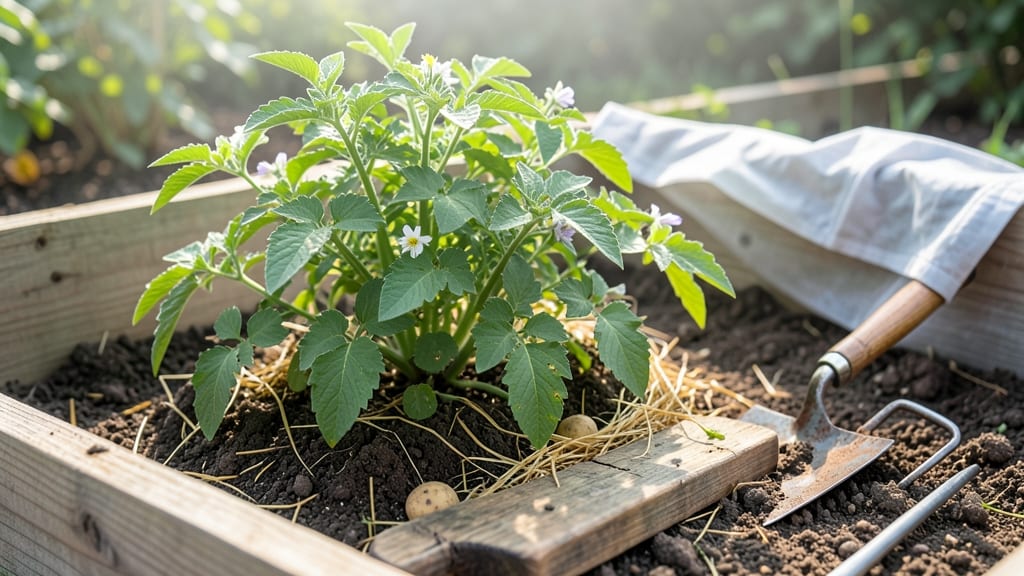
Planting potatoes in Michigan at the wrong time can mean the difference between a fast harvest and wasted effort. The key to success isn't just waiting for spring—it's knowing when your soil reaches that sweet spot between 40°F and 50°F, where those 🥔 spuds wake up and start growing.
For Michigan gardeners in zones 5b-6b, timing matters more than you might think. Plant too early, and frost will nip your young shoots. Too late, and you’ll miss the window for a full-season crop.
The ideal moment arrives as soon as the ground thaws and warms, usually between March and April, depending on your region.
But here’s the thing: Michigan’s climate is tricky, with frosts lingering into May in some areas.
That’s why I’ll show you how to test your soil temperature, choose the right varieties for your zone, and even use row covers to extend the growing season—so you can get those potatoes in the ground at the perfect moment.
Ready to avoid common mistakes and ensure your 🥔 crop sprouts fast and strong? Let’s break down the exact steps and timing you need for a successful Michigan potato harvest.
Michigan potato planting calendar: exact dates by soil temperature zones
Michigan’s diverse climate means your potato planting timeline depends heavily on your USDA zone and soil temperature. The Upper Peninsula faces cooler springs, while the Southern Lower Peninsula warms faster.
For fast sprouting, aim to plant when soil reaches 40°F-50°F—cold soil slows growth and invites rot. Let’s break down the exact windows for each region.
In Northern Michigan (USDA 4b-5a), frost lingers longer, so start seed potatoes indoors or under row covers in early April. Wait until mid-May for direct planting once soil hits 50°F.
The Southern Lower Peninsula (USDA 5b-6a) enjoys earlier warmth—plant outdoors as early as late March if soil is workable, or by mid-April for guaranteed success.
Here’s your region-specific planting calendar, aligned with soil temperature thresholds and last frost dates to maximize yield:
For early harvests, plant seed potatoes in late March in the Southern Lower Peninsula, even if soil is chilly. Use row covers or cold frames to protect tender sprouts. In colder zones, wait until soil is consistently above 50°F—planting too soon risks rot from cold, wet soil.
Pro tip: Test soil temperature with a soil thermometer (insert 4 inches deep). If it’s below 45°F, delay planting or use black plastic mulch to warm the soil faster. In my garden, this trick adds 1-2 weeks to the growing season without risking frost damage.
Michigan’s short growing season demands precision. Plant early-maturing varieties like 'Red LaSoda' (90 days) in the Upper Peninsula to avoid fall frosts. In warmer zones, try longer-season varieties like 'Kennebec' (120 days) for larger yields. Always plant 4-6 weeks before your last frost date for best results.
Don’t forget: Fall planting is possible in Michigan’s milder zones! Plant seed potatoes in late August for a harvest before winter. Choose early varieties and use row covers to extend the season. This method works best in Southern Michigan where winters are less harsh.
Watch for false springs—those warm spells in March that fool you into planting early. If nighttime temps dip below 32°F, cover your potatoes with straw or blankets. I’ve learned this the hard way: Frost kills sprouts, and replanting sets you back weeks.
Timing isn’t just about dates—it’s about soil conditions. Well-draining, loose soil warms faster and reduces rot risk. Amend heavy clay with compost or sand before planting. In my Northern Michigan garden, I add aged manure to beds in fall to improve drainage and fertility for spring planting.
For container growing, plant potatoes in large pots (18"+ deep) and move them to a sunny spot once soil warms. In Michigan’s climate, containers warm up faster than ground soil, so you can plant 2-3 weeks earlier than in-ground beds.
Just ensure pots have drainage holes to prevent waterlogging.
How to test soil temperature and Prepare beds for fast potato growth
Potatoes thrive when planted in warm soil—ideally between 40°F and 50°F. In Michigan’s cool springs, testing soil temperature ensures your seed potatoes sprout quickly instead of rotting. I’ve learned that patience here pays off: rushing can mean wasted seed potatoes or stunted growth.
Start by choosing a sunny, well-draining spot in your garden. Potatoes need at least 6 hours of sunlight daily to grow vigorously. If your soil is heavy clay, consider amending it with compost or sand to improve drainage.
I always test my soil first—it’s the difference between a bountiful harvest and disappointment.
For early planting, consider using row covers or a cold frame to protect young plants from late frosts. I’ve had success planting in late March under protection in Southern Michigan, but Northern regions should wait until mid-April at the earliest.
After planting, keep soil consistently moist but not soggy. Potatoes need 1-1.5 inches of water weekly, especially during tuber formation. I always water in the morning to reduce disease risk from prolonged leaf wetness.
Finally, hill soil around stems as plants grow to encourage more tuber production. This also protects new sprouts from late-season frosts. With these steps, you’ll see fast, uniform growth and a harvest ready by July or August—just in time for Michigan’s famous potato dishes! 🥔