
Plants
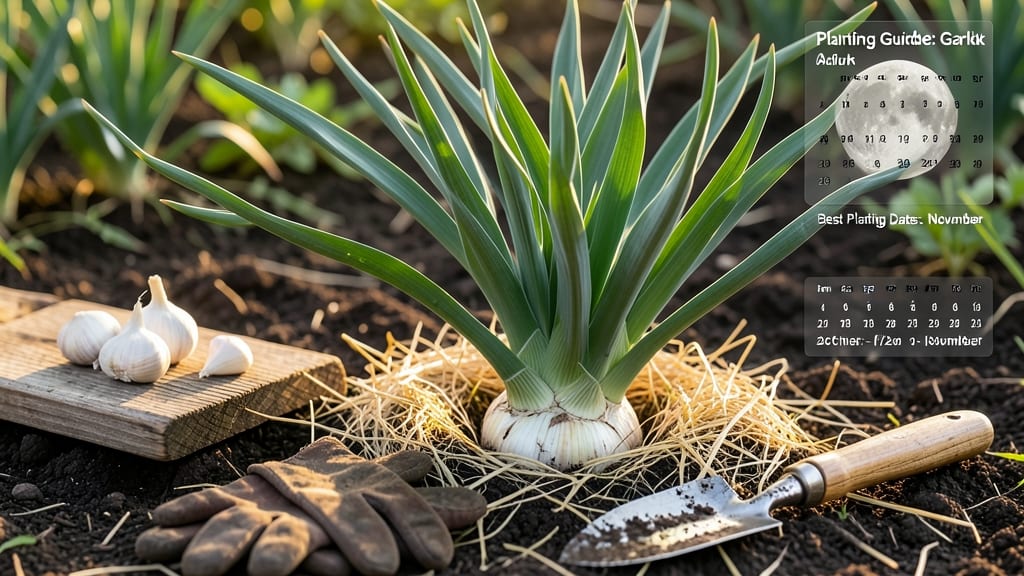
Planting garlic in Minnesota isn't just about timing—it's about outsmarting the 4a-5a winters when 🧄 bulbs need to root deep before the ground freezes. Too early, and frost zaps your cloves; too late, and you miss the sweet spot for next summer's harvest.
Most gardeners here swear by mid-October to early November, but why? The secret lies in those 4-6 weeks before the first hard frost—enough time for roots to establish while the soil stays workable. This isn't just theory; it's what separates a bountiful crop from a flop.
I'll break down exactly how to calculate your frost dates, which garlic varieties handle MN's chill best, and the one mistake that wipes out 90% of beginner harvests. Let's get those cloves in the ground the right way.
From soil prep to overwintering tips, you'll learn how to turn Minnesota's short growing season into your garlic's advantage. Ready to plant with confidence?
Best months to plant garlic in Minnesota (with frost-date guide)
Garlic thrives in Minnesota’s cold climate, but planting it at the wrong time can ruin your harvest. Unlike most vegetables, garlic needs a cold winter dormancy to develop properly. This means you’ll plant in fall and harvest the following summer—about 240 days later.
The key is timing it so the cloves establish roots before the ground freezes but don’t sprout too early.
Minnesota’s USDA zones 4a-5a create a unique challenge: winters are long, and frost can arrive as early as mid-October in northern regions. The ideal window is mid-September to early November, but your exact timing depends on your last frost date.
Most Minnesota gardeners aim to plant 4-6 weeks before the ground freezes—typically late September to early October for southern MN and early to mid-October for northern areas.
Here’s the critical rule: Plant garlic when soil temps drop below 50°F (10°C). At this temperature, cloves won’t sprout prematurely, but they’ll still root before winter sets in.
If you plant too early (like July or August), the garlic may bolt or produce small bulbs. If you wait too long, the cloves won’t establish roots before freezing.
Some gardeners also try spring planting (March-April), but this is riskier in Minnesota. Spring-planted garlic often produces smaller bulbs because it misses the cold stratification period. However, if you’re experimenting, choose softneck varieties, which tolerate warmer soils better than hardnecks.
| Planting Window | Best For | Minnesota Regions | Key Consideration |
|---|---|---|---|
| Late September | Southern MN (Zones 5a) | Twin Cities, Rochester | Soil temps drop below 50°F by mid-October |
| Mid-October | Central MN (Zones 4b) | St. Cloud, Brainerd | Ground freezes by late October |
| Early November | Northern MN (Zones 4a) | Duluth, International Falls | Snow cover protects planted cloves |
| March-April | Spring Experiment | All regions (riskier) | Smaller bulbs; use softneck varieties |
To pinpoint your exact planting date, check your average last frost date. For example, in the Twin Cities, the last frost is around May 15, but garlic needs to be in the ground 4-6 weeks before the first frost of the following fall.
Use the USDA Plant Hardiness Zone Map or local weather stations (like the MN State Climatology Office) for precise data.
Another critical factor is garlic variety. Minnesota’s harsh winters favor hardneck garlic, which produces scape (a curly stem) in summer and stores well. Softneck varieties, while easier to grow, struggle in MN’s cold and may not overwinter successfully.
Popular hardneck choices like 'German White' and 'Music' thrive when planted in fall.
Once you’ve chosen your variety and timing, prepare the soil by amending it with compost and a balanced fertilizer (5-10-10). Garlic prefers well-draining, slightly acidic soil (pH 6.0-7.0).
After planting, mulch with straw or leaves to insulate the cloves during winter. This mulch also suppresses weeds and retains moisture when spring arrives.
Don’t forget that garlic planted in fall will emerge in early spring, growing slowly until temperatures warm. By late June to early July of the following year, your bulbs will be ready to harvest—just in time for summer cooking!
The earlier you plant in the fall, the larger your bulbs will be, but never plant before September 1st to avoid premature sprouting.
If you’re new to garlic growing, start small with a 10-foot row to test your timing. Use a soil thermometer to monitor temperatures—aim for 40-50°F (4-10°C) at planting depth. With the right timing, Minnesota’s cold climate can actually improve garlic flavor and yield!
Best months to plant garlic in Minnesota (with frost-date guide)
Minnesota’s USDA zones 4a-5a demand precise timing for garlic planting. The optimal window is mid-September to early November, when soil temps drop but frost hasn’t yet arrived. This ensures roots establish before winter dormancy begins.
For most of the state, October is the sweet spot—planting too early risks rot, while late November may leave bulbs vulnerable to freeze-thaw cycles.
Hardneck varieties (like 'German White') thrive in MN’s cold winters, while softnecks (e.g., 'Artichoke') struggle with our harsh conditions. Hardnecks also produce scape shoots in spring, a bonus harvest!
Check your last frost date (typically October 15 in most regions) to time planting 4-6 weeks beforehand—this gives roots time to anchor before ground freezes.
| Planting Window | Best For | Key Consideration |
|---|---|---|
| Mid-September | Southern MN (Zones 5a) | Soil stays workable longer |
| October (ideal) | Central/Northern MN | Balances root growth & frost |
| Early November | Northern MN (Zones 4a) | Avoids premature freeze |
| March (spring) | Emergency only | Smaller bulbs; risk of bolting |
🌱 Pro Tip: Use a soil thermometer—ideal temps are 40-50°F at planting.
Spring planting (March-April) is possible but yields smaller bulbs and risks bolting (flowering prematurely). If you miss fall, opt for green garlic (harvest young shoots) instead. For best results, plant cloves 2-3 inches deep in well-draining soil, spacing them 4-6 inches apart.
A thin layer of mulch (straw or leaves) protects cloves from freeze-thaw cycles.
Minnesota’s snow cover actually benefits garlic—it insulates bulbs during winter. However, avoid heavy mulch in late winter, as it can trap moisture and cause rot. In Zone 4a (northern MN), aim for early October planting; in Zone 5a (southern MN), mid-October works best.
Always adjust for microclimates—urban areas may frost earlier than rural fields.
After planting, water lightly to settle soil, then reduce irrigation until spring. Garlic needs 6+ hours of sun daily, but MN’s short winters mean it’ll get plenty. Mark your planting spots with stakes or flags—forgetting where you planted is a common mistake!
Harvest next late June to early July when lower leaves brown and dry.
For long-term storage, cure bulbs in a dry, shady spot for 2 weeks before braiding or storing in mesh bags. Hardneck varieties store best, while softnecks (if grown) keep for 6-8 months.
With the right timing, you’ll enjoy homegrown garlic that’s sweeter and more robust than store-bought—worth the patience! 🌿