
Planting
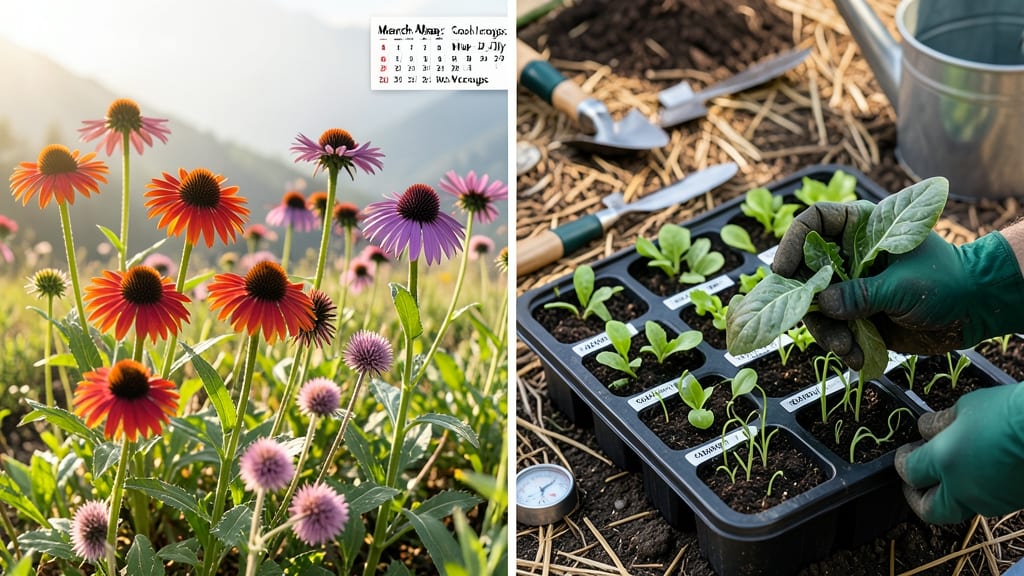
When to plant a garden in Colorado isn't just about checking a calendar—it's about mastering the elevation game. Whether you're in Denver's Front Range or the high-altitude Western Slope, planting at the wrong time can mean the difference between a thriving 🌱 harvest and frost-kissed disappointment.
With last frost dates shifting dramatically from April 15 in Denver to as late as June 1 in Leadville, there's no one-size-fits-all answer. That's why I've broken down the science behind Colorado's planting zones—so you can align your garden with nature's rhythm, not guesswork.
In this guide, you'll discover exact deadlines for cool-season crops, warm-season favorites, and perennials tailored to your elevation. We'll cover everything from soil prep to succession planting, ensuring your garden thrives no matter where you live in the Centennial State.
Ready to grow smarter? Let's turn your Colorado garden into a year-round success story—starting with the perfect planting window for your zone.
Colorado planting zones: how elevation changes your last frost dates
Colorado’s elevation spans from 3,300 feet in the Arkansas Valley to over 14,000 feet in the Rockies, creating wildly different planting zones. Unlike flat states, your last spring frost can arrive 6 weeks earlier at lower elevations than in mountain towns.
For example, Denver (5,280 ft) typically sees its final frost around May 15, while Leadville (10,152 ft) might not warm up until June 15. Understanding these shifts is critical—planting tomatoes too early in the mountains risks frost damage, while lowland gardeners must hurry to beat summer’s intense heat.
Colorado’s USDA hardiness zones (5-7) don’t tell the full story. Elevation adjustments can shift your frost-free season by 30-60 days.
The Front Range Foothills (6,000-8,000 ft) often have longer growing seasons than Denver due to urban heat islands, while Western Slope valleys (4,000-6,000 ft) can be 10°F warmer than nearby mountains. Microclimates like Boulder’s cooler slopes or Colorado Springs’ desert-like conditions further complicate timing.
Always check local frost records—not just your ZIP code—before planning.
Here’s how Colorado’s three key planting zones break down by frost dates and elevation, with actionable advice for each:
| Zone | Elevation Range | Avg. Last Spring Frost | Avg. First Fall Frost | Frost-Free Days | Key Adjustments |
|---|---|---|---|---|---|
| Lowlands | 3,300–5,000 ft (Pueblo, Grand Junction) | April 1–15 | October 30–November 10 | 180–210 days | Plant warm-season crops (peppers, squash) by April 15; use shade cloth in summer to prevent bolting. |
| Foothills | 5,000–7,500 ft (Denver, Fort Collins, Boulder) | May 1–15 | September 30–October 15 | 140–170 days | Wait until May 10 for tomatoes/peppers; row covers extend season by 2–3 weeks in fall. |
| Mountains | 7,500–10,000+ ft (Eagle, Leadville, Aspen) | May 20–June 1 | September 1–15 | 100–130 days | Stick to fast-maturing varieties (e.g., ‘Early Girl’ tomatoes); cold frames add 4–6 weeks to the season. |
Denver’s urban heat island effect can push last frosts 5–7 days later than rural areas, while Boulder’s foothills often see frosts 1–2 weeks earlier due to cooler air pooling. For precise timing, use Colorado State University’s frost maps or local CoCoRaHS weather stations.
Even within cities, south-facing slopes warm up faster than north-facing yards—adjust your planting by 3–5 days accordingly. Always monitor soil temperature (aim for 50°F for warm crops, 40°F for cool crops) rather than air temperature.
High-altitude gardeners should prioritize short-season varieties like ‘Mountain Magic’ potatoes or ‘Quickfire’ beets, which mature in 50–60 days. In the Lowlands, succession planting every 2 weeks ensures continuous harvests of lettuce and radishes through fall.
For perennials (asparagus, rhubarb), plant in early spring (March–April in Lowlands) to establish roots before summer heat. Fall planting works best in September for cool-season crops like kale and spinach, but avoid planting after October 1 in mountainous zones.
Pro tip: Row covers (floating fabric tunnels) can extend your last frost date by 2–4 weeks in all zones. In Denver, I’ve used them to plant cabbage in late March without frost damage.
For mountain gardens, black plastic mulch warms soil by 5–10°F, letting you plant tomatoes 2 weeks earlier. Always secure covers with bricks or stakes—Colorado’s wind speeds can exceed 50 mph, tearing flimsy setups apart.
Test your microclimate by planting basil or lettuce in different spots; these sensitive indicators reveal hidden frost pockets.
If you’re new to Colorado gardening, start with hardy perennials like sage or lavender, which tolerate wide temperature swings. For annuals, peas and spinach thrive in cool spring soils, while bush beans and cucumbers need warmer conditions.
In high-elevation areas, avoid frost-sensitive plants like eggplants—they rarely mature before fall fro
Elevation-specific planting calendar: what to sow when in each zone
Colorado’s elevation zones create distinct planting windows—what works in Denver (5,000ft) may fail in Leadville (9,000ft+). Let’s break down the best months to plant by zone, focusing on cool-season crops, warm-season staples, and perennial favorites that thrive at your altitude.
For 5,000ft (Denver/Boulder), your growing season stretches from late April to mid-October, with last frost dates around April 15 and first frost near October 15.
This zone is ideal for early spinach, peas, and lettuce planted in March-April, while tomatoes, peppers, and basil should wait until May 1-June 15 for best results.
At 7,000ft (Eagle County, Aspen), expect a shorter season—last frost dates hover around May 1, and first frost arrives by September 15. Prioritize fast-maturing varieties like bush beans, zucchini, and radishes, and use row covers to extend early/late seasons.
Perennials like asparagus and rhubarb planted in spring or fall establish well here.
Above 9,000ft (Leadville, Telluride), your window shrinks dramatically—last frost can linger until June 1, and first frost arrives by September 1. Focus on cold-hardy crops like kale, cabbage, and potatoes, and consider high-altitude cold frames to start warm-season crops 4-6 weeks earlier.
| Elevation Zone | Last Frost | First Frost | Best Spring Planting | Best Fall Planting |
|---|---|---|---|---|
| 5,000ft (Denver) | April 15 | October 15 | March-April (cool crops), May 1-June 15 (warm crops) | August 15-September 15 |
| 7,000ft (Eagle) | May 1 | September 15 | April-May (cool crops), May 15-June 10 (warm crops) | July 30-August 30 |
| 9,000ft+ (Leadville) | June 1 | September 1 | May-June (cool crops only), June 15-July 1 (warm crops with cold frames) | July 15-August 15 |
Pro tip: Use succession planting to maximize yields in shorter seasons. For example, sow lettuce every 2 weeks from April to August in Denver, or radishes every 3 weeks from May to July in Eagle County. This ensures a continuous harvest even if your season is brief.
For perennials like asparagus and rhubarb, plant crowns in early spring (March-April) at all elevations—they’ll establish roots before summer heat arrives. In high-altitude zones, mulch heavily to protect roots from temperature swings.
Remember: Colorado’s weather is unpredictable. Always have row covers or cold frames on hand to protect tender seedlings from unexpected frosts, especially in mountain valleys where cold air pools.