
Flowers
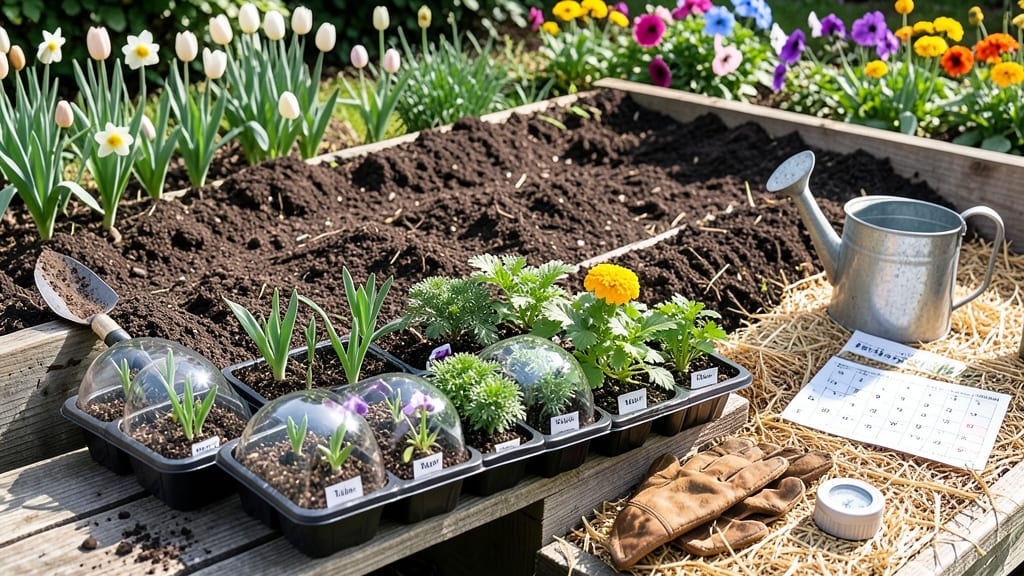
Planting your 🌸 flowers at the wrong time in Zone 7 can mean the difference between a showstopping garden and a sad, wilted disappointment. Whether you're dreaming of vibrant spring petunias or hardy fall mums, getting the timing right is the key to success—and it's easier than you think.
In Zone 7, where frost can still linger in March and summer heat arrives by June, knowing when to plant flowers isn't just about following a calendar. It's about understanding your microclimate, whether you're tucked in the mountains of North Carolina or near the coast of Virginia.
The right timing ensures your flowers thrive from the moment they hit the soil.
I've spent years perfecting my own schedule, and the secrets I'm about to share will help you avoid common mistakes that ruin blooms. From cool-season annuals to heat-loving perennials, we'll cover exactly when to plant each type for maximum impact—plus how to adjust for your specific location.
Ready to transform your garden into a year-round paradise? Let's dive into the precise planting windows that will give you bold, long-lasting blooms without the guesswork.
Zone 7 planting calendar: exact months for annuals, perennials, and bulbs
Mastering the Zone 7 planting calendar means knowing when to plant cool-season flowers before summer heat arrives and when to introduce warm-season bloomers after frost risk fades.
In this zone—spanning North Carolina, Tennessee, and Virginia—your last spring frost typically hits around March 15, while the first fall frost arrives near November 15. These dates bookend your planting windows, but microclimates (like urban heat islands or mountain valleys) can shift timing by 2-4 weeks.
For annual flowers, the key is soil temperature: most seeds need 60°F+ soil to sprout, while transplants thrive when nighttime temps stay above 50°F. Perennials and bulbs have different rules—plant them too early, and frost will damage tender roots; too late, and they won’t establish before summer drought sets in.
Let’s break it down by flower type and season to ensure your garden blooms boldly and reliably.
Start with cool-season annuals like pansies and snapdragons in February or early March, even if frost is still possible. These hardy bloomers tolerate light frosts and will reward you with early spring color.
Use row covers if nighttime temps dip below 25°F to protect tender seedlings. For bulbs like tulips and daffodils, plant them in fall (October–November)—this gives roots time to establish before winter dormancy.
Shift to warm-season annuals once your last frost date passes (around March 15 in most of Zone 7).
Petunias, marigolds, and zinnias thrive in 60°F+ soil, so wait until mid-April in cooler microclimates or early April in urban heat islands. Transplants are safer than seeds for warm-season flowers—seedlings often struggle with late spring heat if planted too early.
Don’t overlook fall planting for late-season blooms! Mums, asters, and salvia planted in August or early September will flourish until the first frost. These cool-season favorites love the mild Zone 7 autumns and often rebloom if deadheaded regularly.
For perennials like coneflowers and lavender, early spring (March–April) is ideal—they establish roots before summer drought hits.
Adjust for your local microclimate: Coastal areas (like Outer Banks, NC) may have warmer winters, allowing earlier spring planting, while mountain regions (like Blue Ridge, VA) might need to delay until May 1. Use a soil thermometer to confirm readiness—60°F+ soil
How microclimates in Zone 7 change flower planting times (and how to adapt)
Zone 7 spans diverse landscapes—from mountain valleys with delayed springs to coastal regions where humidity extends the growing season. These microclimates shift ideal planting windows by 2-4 weeks, so blindly following a calendar can backfire.
For example, Asheville's high elevation (Zone 7a) often waits until mid-April for warm-season flowers, while coastal Virginia (Zone 7b) can start 2 weeks earlier.
Urban areas add another layer: concrete and asphalt absorb heat, creating "heat islands" where soil warms 10-15°F faster than rural areas. This means marigolds or zinnias can go in 3 weeks earlier in cities like Nashville compared to surrounding farms.
Always check local frost charts—not just your ZIP code—to adjust timing.
- 🏔️ High Elevation (e.g., Appalachians): Delay warm-season flowers by 2-3 weeks (plant zinnias in late May instead of May 1).
- 🏙️ Urban Heat Islands: Plant heat-loving flowers (e.g., lantana) 3 weeks early; use shade cloth for delicate petunias.
- 🌊 Coastal Areas: Extend fall planting to mid-October (humidity delays frost). Try chrysanthemums as late as October 15.
- 🌳 Wooded/Shady Spots: Prioritize shade-tolerant flowers (e.g., impatiens) and plant 1-2 weeks later than sun-loving varieties.
- 📊 Tools to Fine-Tune: Use a soil thermometer ($10) to confirm 60°F+ soil for warm-season seeds; check local weather stations for 10-day forecasts.
Don’t overlook wind exposure, either. Exposed hilltops dry out faster, so mulch heavily (3-4 inches) and water daily for the first 2 weeks after planting. Conversely, low-lying areas may stay soggy—amend soil with compost and perlite to improve drainage before planting dahlias or hydrangeas.
For container gardening, microclimates matter even more. Pots in south-facing patios can be 10°F warmer than in-ground beds, so start heat-sensitive flowers (e.g., begonias) 2 weeks later than ground-planted varieties. Use lightweight containers to prevent overheating roots.
When in doubt, stagger your planting. Sow 50% of seeds at the recommended time, then plant the rest 2 weeks later. This extends your bloom season and hedges against unpredictable weather.
For example, cosmos seeds can go in April 15 and May 1—you’ll get continuous blooms from June to frost.
Remember: Zone 7 isn’t one-size-fits-all. Spend 10 minutes observing your garden’s sun patterns, wind direction, and soil warmth before committing to a planting date. Your flowers—and your sanity—will thank you. 🌿