
Flowers
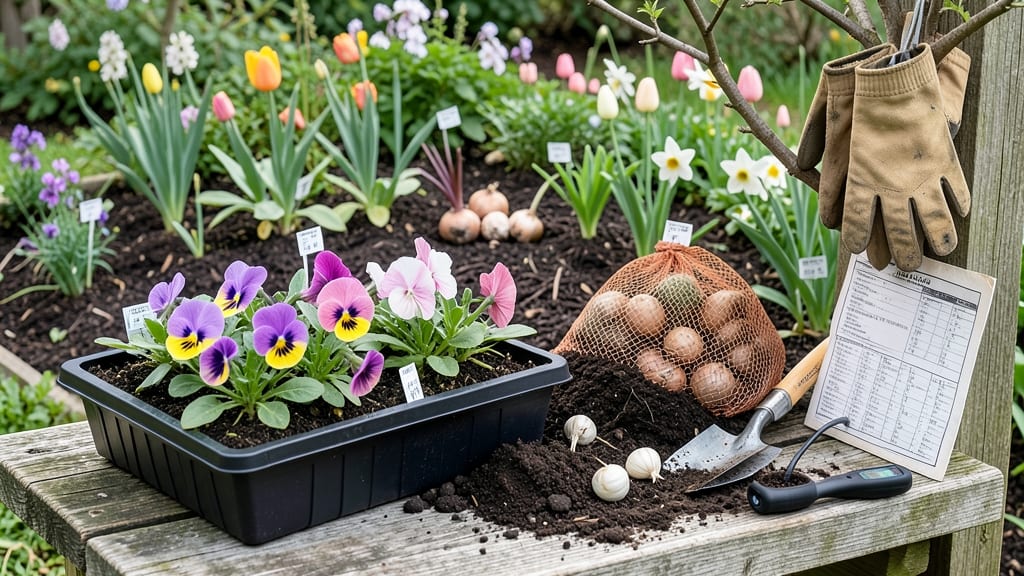
Planting your spring flowers at the wrong time can turn your garden dreams into a sad, frost-killed mess—so timing is everything.
In Zone 6a, where last frost typically hits around April 15, waiting until soil warms to at least 50°F makes all the difference between vibrant blooms and wilted disappointment.
I’ve learned the hard way that rushing too early can leave delicate 🌸 flowers vulnerable, while waiting too long might miss the perfect window for cool-season varieties.
The key? Aligning your planting schedule with local frost dates and the specific needs of each flower type—whether it’s hardy tulips or heat-loving zinnias.
In this guide, I’ll walk you through how to read frost dates, pick the right flowers for early vs. late spring, and avoid the 5 biggest mistakes that sabotage gardens every year. No more guesswork—just a clear, foolproof plan for a garden that bursts into color.
Ready to turn your spring planting into a success? Let’s get started with the exact timing and tips you need to make your flowers thrive from the first bloom.
How to determine your local frost dates for perfect spring planting
Getting your spring flower planting timing right starts with knowing your local frost dates. A late frost can wipe out tender seedlings in minutes, while planting too early risks stunted growth.
The key is balancing USDA zone maps with your specific microclimate—where your garden sits within that zone matters just as much as the zone itself.
Start by finding your USDA hardiness zone using the USDA Plant Hardiness Zone Map. Most gardeners fall between zones 5-9, but even within a zone, frost dates can vary by 1-3 weeks.
For example, a valley might frost 2 weeks later than a hilltop just miles away due to cold air settling in low areas.
Next, check your local weather averages for the last spring frost date. The National Weather Service and local cooperative extension services provide historical data. In Zone 6, the average last frost typically falls around April 15, but this can shift ±10 days depending on your exact location.
For a more precise estimate, track your own frost dates over 3-5 years. Note when frost occurs in spring and fall—these records will help you adjust planting schedules for future seasons. Many gardeners also use frost-free date calculators online that factor in elevation and nearby water bodies.
Understanding your microclimate is equally important. A south-facing slope warms faster than a north-facing yard, while a garden near a large body of water may experience later frosts due to water’s heat retention.
Even a stone wall or dense hedge can create a microclimate that delays frost by 5-7 days.
Once you’ve pinpointed your frost dates, adjust your planting window based on flower hardiness. Hardy flowers like tulips and daffodils can handle light frosts and often bloom before the last frost.
Meanwhile, tender annuals like impatiens and marigolds must wait until 2-3 weeks after the last frost date to avoid damage.
| Flower Type | Planting Window | Frost Tolerance | Notes |
|---|---|---|---|
| Tulips | 4-6 weeks before last frost | Hardy to 10°F (-12°C) | Plant bulbs in fall for spring blooms |
| Pansies | 6 weeks before last frost | Tolerates light frost (28°F/-2°C) | Ideal for early spring color |
| Marigolds | 2 weeks after last frost | Sensitive to frost (50°F/10°C min) | Wait until soil is warm |
| Impatiens | After last frost | Dies at 32°F (0°C) | Best for shady, warm spots |
| Zinnias | After last frost | Tolerates 30°F (-1°C) briefly | Direct sow after danger passes |
To further refine your planting schedule, monitor soil temperature alongside air temperature. Most flowers thrive when soil reaches 50-60°F (10-15°C). A soil thermometer is a $10 investment that prevents costly mistakes—cool soil can delay germination even if air temperatures seem ideal.
For container gardens, extend your planting window by using black plastic mulch or row covers. These can push back frost sensitivity by 1-2 weeks, giving tender plants like petunias and geraniums a head start. Just remember to remove covers during the day to prevent overheating.
Finally, keep a gardening journal to track which flowers thrive in your microclimate. Note not just frost dates but also bloom times, soil conditions, and rainfall. Over time, you’ll develop a customized planting calendar that outperforms generic zone-based advice.
With these steps, you’ll avoid the heartbreak of frost-damaged seedlings and maximize your garden’s potential. Start with your USDA zone, refine with local data, and adjust for your microclimate—your spring blooms will thank you!
Spring planting schedule by flower type: cool-season vs. warm-season varieties
Spring flower planting isn't one-size-fits-all—your pansies and snapdragons need a completely different timeline than your marigolds or zinnias. Cool-season flowers thrive when planted 4-6 weeks before your last frost date, while warm-season varieties wait until all danger of frost has passed.
In Zone 6a, that means cool-season flowers go in late March to early April, while warm-season flowers should wait until mid-May or later.
I’ve found that ignoring this rule often leads to frost damage or stunted growth. For example, planting impatiens too early in cool soil will shock their roots, while planting tulips after the last frost means missing their natural bloom cycle.
The key is matching each flower’s temperature preferences with your local frost timeline. Let’s break down the exact schedule you need to follow for a flourishing spring garden.
- 1 Cool-Season Flowers (Plant 4-6 Weeks Before Last Frost): Pansies, Snapdragons, Sweet Alyssum, Calendula, and Violas. These hardy annuals can handle cooler temperatures and even light frosts. In Zone 6a, that’s late March for early blooms.
- 2 Perennials (Plant in Early Spring): Tulips, Daffodils, and Peonies should go in the ground as soon as the soil is workable (around mid-March in Zone 6acold-hardy plants establish roots quickly and bloom reliably.
- 3 Warm-Season Flowers (Plant After Last Frost): Marigolds, Zinnias, Petunias, and Geraniums need warmer soil (60°F+) and should wait until mid-May in Zone 6a. Planting too early risks root rot from cold, damp soil.
- 4 Heat-Loving Annuals (Late Spring): Sunflowers, Cosmos, and Dahlias thrive in hotter conditions and can be planted after Memorial Day (late May) for best results. These sun-worshippers need consistent warmth to bloom.
- 5 Adjust for Your Region: If you’re in a warmer zone (7+), cool-season flowers can go in February, while cooler zones (5 or below) may need to wait until May for warm-season plants. Always check your local frost dates!
Pro tip: Use row covers or cold frames to extend the planting window for cool-season flowers in Zone 6a. I’ve successfully planted snapdragons in late February by covering them with frost cloth, giving me earlier blooms and a longer season.
Just remember to remove covers during the day to avoid overheating.
For warm-season flowers, don’t rush the process—waiting for soil to warm up ensures stronger root development. I’ve seen zinnias planted too early struggle with leggy growth and poor blooming, while those planted at the right time explode with color. Patience pays off in a vibrant, healthy garden.
Finally, always test your soil temperature with a thermometer (aim for 50°F+ for cool-season and 60°F+ for warm-season flowers). This small step can save you from wasted plants and frustrating setbacks. With this schedule, your spring garden will be a showstopper from the first bloom! 🌷