
Flowers
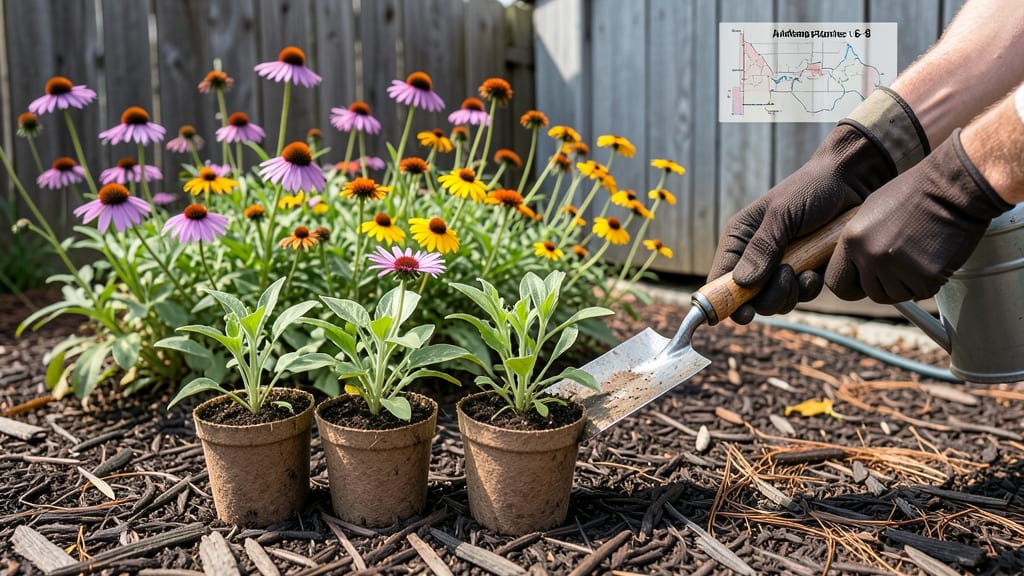
Planting flowers in Arkansas at the wrong time can mean the difference between a garden bursting with color and one that fades before it even begins. Whether you're in the cooler 7a zones of the north or the milder 8b regions of the south, getting the timing right is your secret weapon for vibrant blooms all season long.
I've learned the hard way that Arkansas' unpredictable frost dates—typically around March 15 for last frost and November 15 for first—demand careful planning. The key isn't just following a calendar; it's understanding how your local microclimate affects when to set those seeds or transplant seedlings for maximum impact.
From cool-season 🌸 flowers like pansies that thrive in February to heat-loving annuals like zinnias planted in May, we'll break down the exact windows that work best.
You'll discover which flowers play well together, how to prep your soil for Arkansas' heavy clay, and even how to extend your blooming season with smart fall planting.
Ready to transform your yard into a year-round floral display? Let's dive into the precise planting schedule that will have your garden looking like a postcard—no guesswork required.
Arkansas flower planting calendar by USDA hardiness zones 6b, 7a, and 7b
Arkansas spans three key USDA hardiness zones: 6b (northern regions like Fayetteville), 7a (central areas like Little Rock), and 7b (southern zones like Pine Bluff).
Each zone has slightly different frost dates and soil temperature thresholds that dictate when to plant your annuals, perennials, and bulbs for maximum bloom success. Understanding these nuances ensures your garden thrives year-round.
In Zone 6b, the last frost typically occurs around April 1-15, while Zones 7a and 7b see their final frost by March 15-30. Conversely, the first frost arrives earlier in Zone 6b (mid-October) compared to Zones 7a/7b (late October to early November).
These differences mean your planting schedule should shift slightly depending on where you live in the state.
Soil temperatures are another critical factor. Most spring-blooming bulbs like tulips and daffodils need soil temps of 50-60°F to sprout, while summer annuals like marigolds and zinnias thrive when soil is at least 60°F.
In Arkansas, this usually aligns with mid-March to early April for northern zones and late February to mid-March for southern areas.
🌱 Planting too early risks frost damage, while waiting too late can leave your flowers struggling in summer’s 90°F+ heat. The key is aligning your planting with local microclimates, such as sheltered spots that warm up faster or shaded areas that stay cooler. For example, Zone 7b gardeners can start pansies and snapdragons in October for winter blooms, while Zone 6b growers should wait until April.
Below is your month-by-month Arkansas flower planting calendar, tailored to each zone. Use this as your guide to time your plantings for continuous color from early spring to late fall.
| Month | Zone 6b (North) | Zone 7a (Central) | Zone 7b (South) | Key Tips |
|---|---|---|---|---|
| February | Bulbs (tulips, daffodils), early perennials (lavender, salvia) | Bulbs, pansies, snapdragons | Bulbs, pansies, sweet peas | Soil temps: 50-60°F; protect with frost cloth if needed |
| March | Annuals (petunias, marigolds), cool-season veggies | Annuals, perennials (coneflowers, black-eyed Susans) | Annuals, summer bulbs (canna lilies) | Wait until soil reaches 60°F; mulch to retain warmth |
| April | Heat-loving annuals (zinnias, sunflowers), perennials | Heat-loving annuals, herbs (rosemary, thyme) | Heat-loving annuals, tropicals (hibiscus) | Last frost risk; harden off transplants gradually |
| May-June | Direct-sow summer flowers (cosmos, black-eyed Susans) | Direct-sow, mulch heavily | Direct-sow, stake tall varieties | Water deeply 2-3x/week; watch for pests |
| July-August | Fall prep: plant garlic, bulbs (dahlias, gladiolas) | Fall prep, sow cool-season annuals (pansies) |
Best flowers to plant in Arkansas by season for long-lasting colorArkansas' humid subtropical climate in the south and humid continental in the north means we can grow flowers almost year-round. The secret to a garden that never stops blooming? Planting the right flowers at the right time. I've found that pairing cool-season bloomers with heat-loving annuals creates a seamless transition from spring to fall. For spring color, focus on bulbs like tulips and daffodils planted in October-November, while pansies and snapdragons thrive when seeded in February. These early bloomers give you vibrant displays just as winter fades away. In my Zone 7a garden, I've seen pansies survive light frosts, adding purple and yellow pops even in March's chilly mornings. 🌸 🌼 Spring Bloomers
Summer in Arkansas brings intense heat and humidity, but that's exactly when zinnias, marigolds, and cosmos shine. These sun-loving annuals thrive when planted after our last frost date—typically mid-April in northern Arkansas and early April in southern regions. I've noticed that zinnias planted in May continue blooming until our first frost in November, providing non-stop color with minimal care. For fall interest, don't overlook mums, aster, and salvia. These plants love Arkansas' cooler autumn temperatures and can be planted as early as August for late-season blooms. In my experience, fall-planted perennials establish stronger root systems before winter, giving them a head start in spring. Container gardening is another great way to extend your blooming season. Petunias and geraniums planted in May will reward you with summer-long color, while kale and ornamental cabbage add winter interest when planted in August. The key is choosing varieties that tolerate Arkansas' heat and humidity, like heat-tolerant petunias or disease-resistant geraniums. Remember that soil preparation makes all the difference in Arkansas. Our heavy clay soil benefits from amendments like compost or sand to improve drainage. I've seen flowers wilt quickly in compacted soil, so always loosen the top 6-8 inches before planting. Adding a 2-3 inch layer of mulch helps retain moisture and regulate soil temperature—critical during Arkansas' hot summers. |