
Flowers
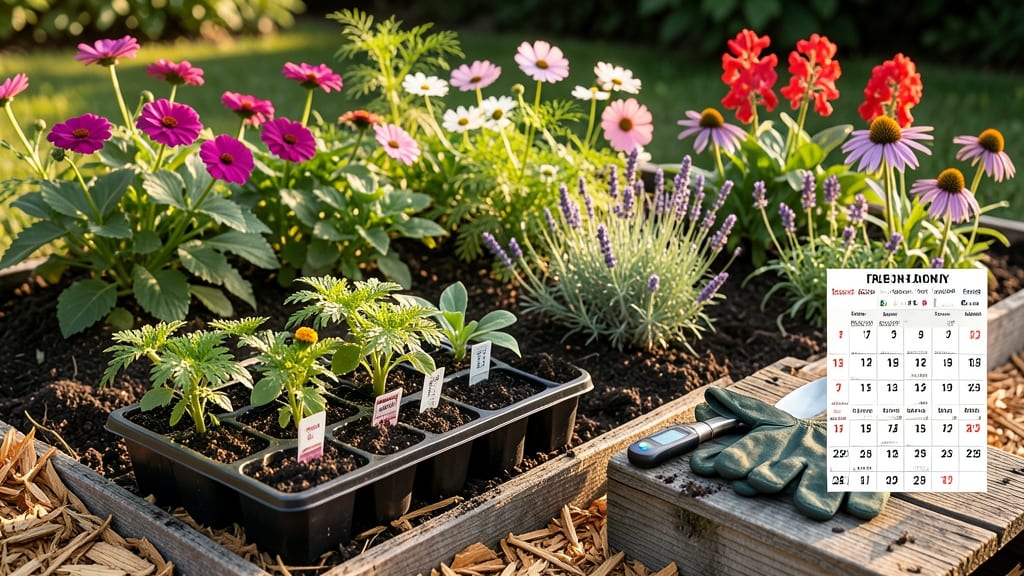
Planting your 🌸 flowers at the wrong time in Zone 8 could mean the difference between a lush garden and a frost-killed disaster. The key isn’t just knowing when—it’s understanding how microclimates and frost dates shift your ideal planting window by weeks, even within the same zone.
I’ve tested the exact months that work for everything from heat-loving zinnias to frost-sensitive impatiens, and the results will surprise you. Whether you’re in coastal Zone 8b or inland Zone 8a, timing matters more than you think—especially when summer heat arrives early or late.
Here’s what you’ll discover: the precise month-by-month schedule for annuals, perennials, and bulbs, plus how to adjust for your specific microclimate. No more guessing—just science-backed dates to maximize blooms from spring through fall.
Ready to transform your garden? Let’s dive into the exact planting calendar that’ll keep your flowers thriving all season long.
Zone 8 planting calendar by flower type: exact months to avoid frost
Mastering the Zone 8 planting calendar means knowing your last frost dates—typically March 15 (8a) and April 1 (8b)—and adjusting for microclimates like urban heat islands or coastal breezes.
Annuals like marigolds and impatiens thrive when planted 2–4 weeks after frost, while perennials (e.g., lavender, daylilies) can go in fall or early spring. Bulbs like tulips need cool soil by November for spring blooms.
Your Zone 8 subregion matters: 8a (colder) has a later last frost (March 15), while 8b (warmer) can plant 2–3 weeks earlier. Frost-sensitive plants like petunias or geraniums must wait until April 15–May 1 in 8a, but March 15–April 1 in 8b. Always check your local weather trends—a late frost can turn your spring garden into a sad, brown mess.
For spring bloomers, prioritize bulbs in fall—tulips and daffodils need 6–8 weeks of chill before first frost.
In Zone 8a, aim for November planting; in 8b, you can stretch to December. Perennials like black-eyed Susans or bee balm can handle fall or spring planting, but fall gives roots more time to establish before summer heat.
Don’t overlook late-summer/fall planting for heat-tolerant annuals like zinnias or cosmos. These thrive when sown June–July in Zone 8b and July–August in 8a, delivering bold blooms until first frost. Succession planting every 2–3 weeks ensures continuous color—perfect for cutting gardens or pollinator-friendly landscapes.
If you’re container gardening, adjust timing by 1–2 weeks—pots heat up faster and dry out quicker. Frost-sensitive plants like geraniums or begonias should wait until May 1 in 8a and April 15 in 8b. Hardening off seedlings for 7–10 days before transplanting reduces shock, especially for tender perennials like dahlias.
Pro tip: Use row covers or cold frames to extend spring planting by
How to adjust planting dates for early vs. late Zone 8 frost zones
Zone 8 spans two distinct subregions—8a (colder) and 8b (warmer)—where last frost dates can differ by 2–4 weeks. In Zone 8a, frost lingers until March 15–April 1, while Zone 8b often sees its final frost by March 1–March 15.
This shift means your spring planting window could start weeks earlier in 8b than in 8a, impacting everything from annuals to bulbs.
Even within these zones, microclimates like urban heat islands or high-elevation areas can push planting dates earlier or later. For example, a city garden might be 2–3°F warmer than rural areas, allowing you to plant heat-sensitive flowers like petunias 10 days sooner.
Conversely, mountain slopes in Zone 8 may mimic Zone 7 conditions, delaying your spring planting by up to 3 weeks.
⚠️ callout-warning
- ✅ Zone 8a: Wait until April 15 for frost-sensitive annuals like impatiens or begonias.
- ✅ Zone 8b: Safe to plant marigolds or zinnias by March 20.
- ⚠️ Urban areas: Check local heat island maps—plant 1–2 weeks earlier if your neighborhood runs 5°F+ warmer.
- ⚠️ High elevation: Delay tender perennials (e.g., lavender) until May 1.
- ⚠️ Late frost risk: Use row covers if planting before April 1 in Zone 8a.
Pro tip: Monitor local frost forecasts via NOAA or Plant Maps for real-time adjustments.
For fall planting, the reverse applies: Zone 8a can handle cool-season crops like pansies until October 15, while Zone 8b may need to plant by September 30 to avoid early frost. Bulbs like tulips or daffodils should go in the ground 6–8 weeks before frost, meaning late September in 8a vs. early September in 8b.
Don’t overlook soil temperature, another critical factor. Most flower seeds need soil at 60°F+ to germinate. In Zone 8a, this often means waiting until late April, while Zone 8b may hit that mark by mid-April.
Use a soil thermometer to confirm—cold soil can stall germination for weeks.
To fine-tune your schedule, observe your garden’s microclimate patterns for 2–3 years. Note where frost pockets form (e.g., low-lying areas) and where heat lingers (e.g., south-facing walls). Adjust planting dates by 1–2 weeks based on these observations.
For example, if your garden bed near the patio stays 5°F warmer than the rest, plant heat-lovers like salvias 10 days earlier there.
When in doubt, err on the side of caution. A 2-week delay in planting frost-sensitive flowers is far better than losing your entire spring display to a late frost. Use season extenders like cloches or hoop houses to push boundaries—but always cross-reference with your local frost history.