
Plants
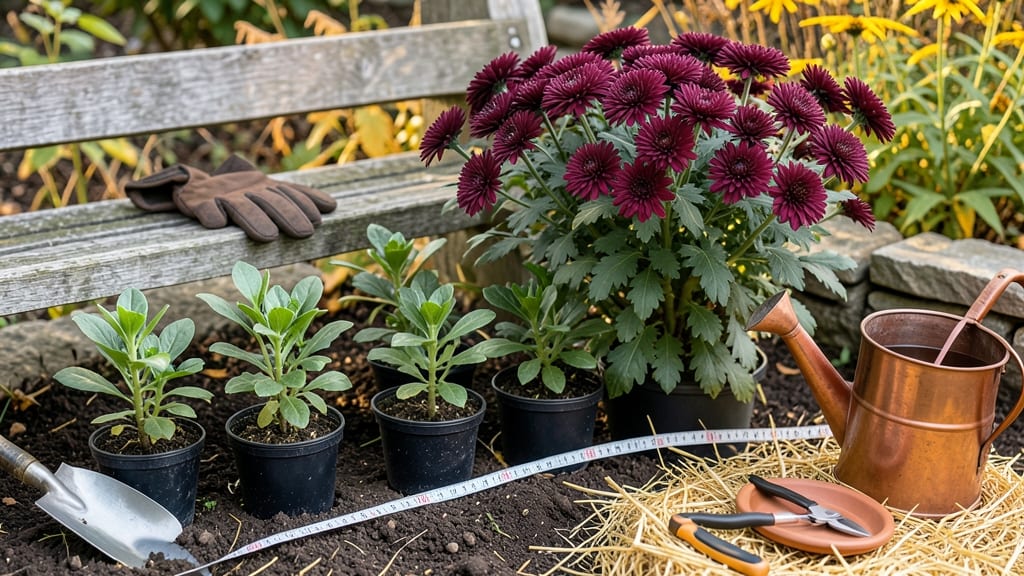
Planting the fall mums in ground at the wrong time can turn your dream autumn garden into a sad, bare-stemmed disappointment. The secret to vibrant blooms lies in timing—specifically, 4-6 weeks before your first frost, when roots establish but flowers haven’t bolted yet.
If you’re in USDA Zone 6a (like much of the Midwest), that means late August to early September is your sweet spot. But whether you’re in the chilly North or warmer South, getting this right ensures your mums burst into color just as summer fades.
Let’s break down the exact window for your climate—and how to prep your soil for success.
You might think "just plant them when it cools down," but temperature, daylight, and even soil moisture play a role. Too early, and your mums will stretch tall and leggy; too late, and they’ll struggle to root before winter.
I’ll show you how to read your local frost dates, adjust for containers vs. in-ground planting, and avoid the most common mistakes that kill blooms.
By the end, you’ll know exactly when to dig in your fall mums for a showstopping display—no guesswork, just guaranteed color. Let’s get started.
Fall mum planting timeline by USDA climate zones: exact dates for success
Timing your fall mum planting is everything—these hardy perennials need 4-6 weeks to establish roots before first frost. Miss the window, and you’ll either get leggy stems or frozen blooms.
The key? Align your planting with your USDA zone and local frost dates, not just the calendar. Northern gardens have tighter windows, while southern zones offer more flexibility.
I’ve broken down the ideal planting windows for each zone, including adjustments for early vs. late frosts. Pro tip: Check your last frost date (not first frost!) to calculate your window. For example, if your first frost is October 15, aim to plant by September 1—but zones matter.
Let’s dive into the specifics so your mums burst into color, not flop.
| USDA Zone | First Frost Date | Optimal Planting Window | Notes |
|---|---|---|---|
| Zones 3-4 | Mid-September to early October | Early to mid-August | Plant 6 weeks before frost; use mulch to protect roots. |
| Zones 5-6 | Late September to mid-October | Late July to early August | Adjust for early frosts—plant 5 weeks before average frost. |
| Zones 7-8 | Mid-October to early November | Early to mid-August | Southern zones allow 4-5 weeks before frost; extend window if mild. |
| Zones 9-10 | Late November to December | Late August to early September | Plant 3-4 weeks before frost; heat tolerance is key. |
In Zones 3-4, where winters are harsh, I recommend planting early August at the latest. These zones have the tightest windows, so don’t wait—root establishment is critical before sub-zero temps hit. Use black plastic mulch to insulate roots and extend the season.
For Zones 5-6, late July to early August works best, but watch for early frosts—some years, you’ll need to plant by July 15.
Southern zones (7-10) offer more flexibility. In Zones 7-8, you can plant as late as mid-August and still get full-season blooms. Meanwhile, Zones 9-10 can handle September planting—just ensure your mums get 6+ hours of sun daily.
Heat stress is the bigger enemy here than frost.
Don’t overlook microclimates—your yard might not match the zone average. Urban areas with heat islands can push planting back by 1-2 weeks, while windy spots need earlier planting. To adjust, add 1 week for every 5°F below the zone average or subtract 1 week for every 5°F above.
For example, if your zone 6 averages 25°F frosts but you hit 20°F, plant 1 week earlier.
For container planting, shift your window 2 weeks later—pots warm up faster and dry out quicker. If you’re in Zone 5 and planting in containers, aim for early August instead of late July. Always use well-draining soil and terracotta pots to prevent root rot from overwatering.
After planting, focus on watering deeply for the first 2 weeks to encourage root growth. Avoid fertilizing until 4 weeks post-planting, as new roots are sensitive to high nitrogen.
Once blooms appear, switch to a low-nitrogen, high-phosphorus fertilizer to prolong flowering. In Zones 3-5, apply a 3-inch mulch layer in late October to shield roots from freeze-thaw cycles.
Timing isn’t just about the date—it’s about bloom readiness. Plant too early, and your mums may bolt prematurely (sending up flower stems before roots are established). Plant too late, and you’ll miss the fall color rush entirely.
Use this zone guide as your garden GPS, and your mums will reward you with vibrant, long-lasting blooms from September through frost.
Pro tip: Mark your planting date on a calendar and track bloom timing. If your mums flower 3+ weeks early, next year plant 1 week later to sync blooms with peak fall color. Happy planting—your autumn garden will thank you! 🌼
5 Critical factors that determine the best planting time for fall mums
Planting fall mums isn't just about checking your USDA hardiness zone—it's about understanding your garden's unique conditions. While zones give you a starting point, factors like soil temperature, daylight hours, and even your neighborhood's microclimate can shift your ideal planting window by weeks.
For example, urban heat islands often delay frost dates, while windy coastal areas may need earlier planting to protect tender roots.
Let's break down the five factors that truly determine when to plant fall mums in your ground. These elements work together to create the perfect conditions for root establishment and bloom development before winter arrives.
Missing just one could mean the difference between a garden full of vibrant blooms and one with struggling plants.
Ideal range: 55-65°F for root growth
Plant 4-6 weeks before average frost
Need 12+ hours of daylight for blooming
Adjust 1-2 weeks for urban heat or wind
Containers need 2 weeks earlier planting
Your soil temperature is the foundation for successful fall mum planting. These plants need warm enough soil—typically between 55-65°F
If your soil is still below 55°F, wait another week or two, even if your calendar says it's time to plant. Cold soil slows root growth and can lead to weak, disease-prone plants. For container planting, timing shifts significantly because pots heat up and cool down faster than ground soil. Plant containers 2 weeks earlier than in-ground plants to give roots time to adapt. However, be prepared to move containers indoors or to a sheltered location if frost threatens. Containers also dry out faster, so monitor moisture levels closely during the root establishment phase. Don't overlook how local microclimates affect your garden. Urban areas with pavement and buildings can be 5-10°F warmer than surrounding rural areas, delaying frost dates by 1-2 weeks. Conversely, windy coastal regions or high-elevation gardens may experience frost earlier than predicted. Observe your garden's specific conditions for at least 3 years to identify these patterns and adjust your planting schedule accordingly. Finally, verify your garden's readiness with this quick checklist before planting: test soil temperature, check your local frost date forecast, and observe your plants' current growth stage. Adjust your planting timeline based on these factors rather than relying solely on calendar dates. When you get these five elements right, you'll enjoy vibrant fall mums that bloom beautifully right up until frost.