
Trees
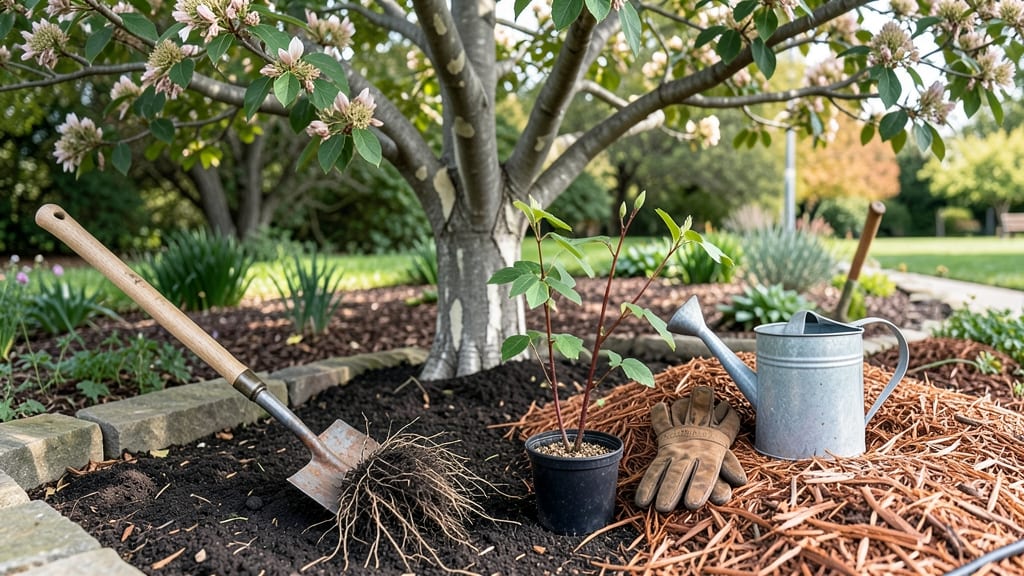
Planting a Dogwood Tree 🌳 in Texas isn't just about grabbing a sapling and sticking it in the ground—it's about timing that can make or break your tree's future. The right moment ensures your dogwood thrives, while the wrong one leaves it struggling against Texas heat or cold snaps.
Whether you're in North Texas with its later frosts or South Texas where winter barely lingers, knowing when to plant is the key to success.
Most Texas gardeners swear by late fall to early spring as the ideal window, but the specifics depend on your chill-hour zone and the dogwood variety you choose. In Zone 7a, you might plant as early as November, while in Zone 10b, February could be your best bet.
The goal? Give your tree time to establish roots before the brutal Texas summers or unexpected freezes hit.
Why does timing matter so much? Dogwoods planted during their dormant season—when they're not actively growing—recover faster and establish stronger root systems. Plus, cooler temperatures mean less water stress, which is a game-changer in a state where droughts can turn soil to dust overnight.
I'll break down the best months for your specific region and show you how to prep your soil for maximum success.
Ready to plant a Dogwood Tree that will stand tall for decades? Let's dive into the exact timing, soil prep, and care tips tailored for Texas gardeners—so you can enjoy that stunning spring bloom without the guesswork.
Best planting months for dogwood trees in Texas by chill-hour Zones
Texas' diverse climate means dogwood trees (Cornus florida and Cornus nuttallii) thrive best when planted during specific chill-hour windows.
The North Texas region (USDA Zones 7a-8b) with 900+ chill hours can plant as early as November, while Central Texas (Zones 8a-8b, 600-900 chill hours) should aim for December to early February.
In South Texas (Zones 9a-10b, 400-600 chill hours), late January to February is ideal to avoid summer heat stress.
For all regions, late winter dormancy is critical—planting during this period lets roots establish before spring growth begins. 'Cherokee Brave' and 'Natchez' varieties, which handle lower chill hours, can sometimes tolerate fall planting in North Texas, but avoid summer heat at all costs—it causes transplant shock.
Here's how Texas' chill-hour zones break down for dogwood planting:
| Zone | Chill Hours | Best Planting Window | Why This Timing? |
|---|---|---|---|
| North Texas (7a-8b) | 900+ | November - Early February | Cooler temps reduce stress; aligns with dormancy. |
| Central Texas (8a-8b) | 600-900 | December - Early February | Avoids early spring heat; roots establish before growth. |
| South Texas (9a-10b) | 400-600 | Late January - February | Late planting avoids summer drought and heat spikes. |
If you miss the ideal window, early spring planting (March) is still viable in North and Central Texas, but avoid April—soaring temperatures and limited rainfall increase transplant shock risk. For container-grown dogwoods, you have slightly more flexibility, but still prioritize cooler months.
Pro tip: Check your local first frost date—planting 4-6 weeks before ensures roots establish before cold snaps. In East Texas, this might mean early November, while West Texas gardeners should wait until late January.
For bare-root dogwoods, soak roots for 2-4 hours before planting to prevent desiccation. In container-grown trees, remove the pot and loosen roots to encourage root spread. Both methods reduce transplant shock in Texas' dry climate.
Remember: Mulch heavily (3-4 inches) after planting to retain moisture and regulate soil temperature. Use organic mulch like pine straw or wood chips—they break down slowly and improve soil structure over time.
In North Texas, where winters are milder, you can even plant early fall (October) for 'Cherokee Brave', but water deeply every 7-10 days until roots establish. South Texas gardeners should never plant in summer—the heat index often exceeds 100°F, which is lethal for young dogwoods.
Finally, avoid planting during drought alerts. Texas' variable rainfall means checking the National Drought Monitor before digging. If your area is under a moderate drought, delay planting until rainfall forecasts improve.
With the right timing, your dogwood will establish strong roots before Texas' brutal summer heat kicks in. Next, we'll match your dogwood variety to the perfect planting window for your region.
Texas dogwood varieties: chill-hour requirements and ideal planting timing
Choosing the right dogwood variety for Texas isn't just about picking a pretty flower—it's about matching your tree's chill-hour needs to your local climate. In North Texas, where winters pack a chill, Pacific Dogwoods (Cornus nuttallii) like 'Constellation' thrive with 900+ chill hours.
But in South Texas, where winters barely dip below 40°F, Southern Dogwoods (Cornus florida) like 'Cherokee Brave' (600-800 hours) are your best bet. The wrong match means weak blooms or stunted growth—so let's break down the best varieties for each Texas region.
Your planting window hinges on chill hours. For example, 'Cloud 9' Florida Dogwood (400-600 hours) can handle South Texas winters if planted in late January to early February. Meanwhile, 'Cherokee Princess' (800-1000 hours) needs a November planting in North Texas to meet its dormancy requirements.
Even a month off can delay root establishment—critical in Texas' brutal summers. I'll show you exactly which varieties work where and when to plant them for maximum success.
If you're in North Texas (Zones 7a-8a), prioritize varieties like 'Constellation' or 'Eddie Blue'—they need those extra chill hours to set buds for next spring. Plant them between November 15 and December 15 to give roots time to knit before winter. My rule of thumb?
Aim for 6-8 weeks before your average last frost—that's typically mid-December in Dallas or Fort Worth. For Central Texas (Zones 8b-9a), 'Cherokee Brave' is a standout, with its December-January window offering flexibility if you miss the earlier dates.
South Texas gardeners (Zones 9b-10b) should focus on low-chill varieties like 'Cloud 9' or 'Natchez', planted in January or February. The key here is avoiding summer planting—dogwoods hate Texas heat. Even a 100°F day can cause transplant shock, so never plant after March 15 in South Texas.
Pro tip: If your nursery offers container-grown dogwoods, you can push planting to early spring, but bare-root trees always establish faster when planted dormant.
Don't overlook microclimates—a north-facing yard in Austin might handle a slightly higher-chill variety than your neighbor's south-facing plot. For example, 'Cherokee Princess' (800-1000 hours) might thrive in a shaded, protected spot in Zone 9a, while struggling in full sun.
Always check your local chill-hour map (available from Texas A&M AgriLife) and consider adding 2-3 inches of mulch to protect roots during temperature swings. With the right variety and timing, your dogwood will reward you with stunning spring blooms for decades.
🌳