
Plants
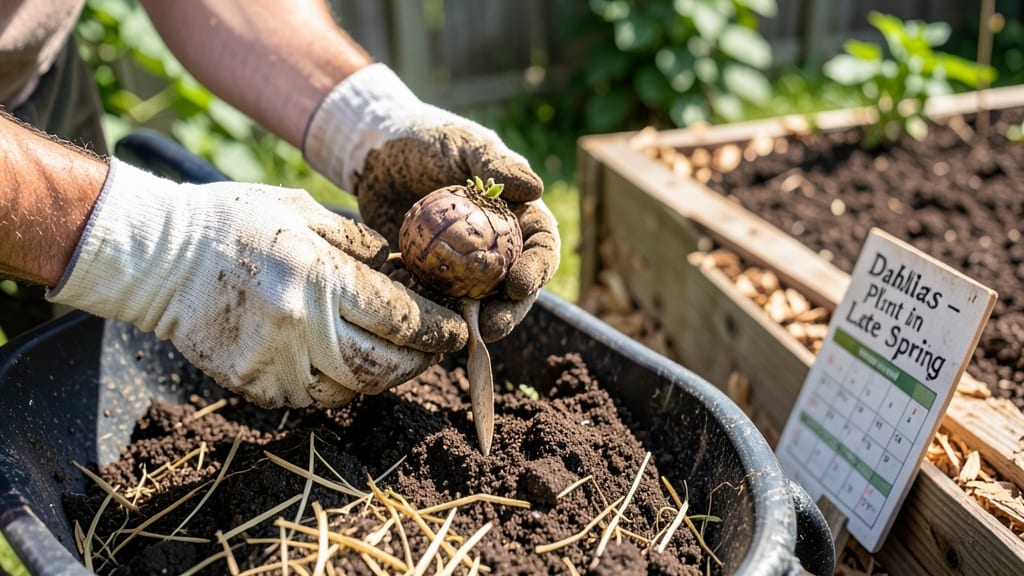
Planting dahlias in Zone 6a at the wrong time can mean the difference between a showstopping garden and a sad, wilted disappointment—especially when late frosts lurk around every corner.
The key isn’t just waiting for May; it’s watching for soil temperatures to hit 60°F or warmer, which signals the perfect moment for those 🌸 tubers to wake up and grow.
I’ve learned the hard way that rushing dahlias into cold soil is a one-way ticket to stunted blooms—or worse, frost damage.
But timing isn’t the only secret: chitting your tubers indoors a few weeks before planting gives them a head start, while amending your soil with compost ensures they thrive once they’re in the ground.
Whether you’re a first-time gardener or a seasoned pro, mastering this timing will transform your Zone 6a garden from "meh" to "wow." Let’s break down exactly when to plant, how to prep your soil, and what to watch for so your dahlias burst into color all season long.
From adjusting for early springs to protecting late blooms, I’ll share the exact steps I use to keep my dahlias flourishing—no matter what Mother Nature throws their way. Ready to grow dahlias that steal the show? Let’s get started.
Zone 6a dahlia planting calendar: soil temperature rules over dates
In Zone 6a, the last frost date (around April 15) is just the starting point—not the rulebook. Dahlias need soil temperatures of 60°F or warmer to thrive, and cold soil can stunt growth or even kill tender tubers.
I’ve planted mine too early only to watch them languish for weeks, so I now rely on a soil thermometer instead of a calendar.
Your local microclimate matters too. A south-facing bed warms faster than a shady corner, so test soil temps in your planting spot. If your garden runs late, consider chitting tubers indoors 4-6 weeks before your target date—this gives them a head start once soil warms.
Here’s the golden rule: Wait until soil hits 60°F consistently (usually mid-to-late May in Zone 6a). Planting too soon risks frost damage or slow growth, while waiting too long cuts your blooming season short. Balance is key!
| Stage | Action | Soil Temp | Zone 6a Timeline |
|---|---|---|---|
| Chitting Tubers | Place tubers in bright, cool spot (60-65°F) with eyes facing up | N/A | Start 4-6 weeks before last frost (early April) |
| Soil Prep | Amend soil with compost; ensure drainage | N/A | Complete by early May |
| Planting Window | Plant tubers 4-6" deep, 12-15" apart | 60°F+ | Mid-to-late May (varies yearly) |
| First Blooms | Expect flowers 60-90 days after planting | 70°F+ | Late July - August |
| Frost Prep | Cut back stems; mulch tubers for winter | N/A | After first frost (October) |
If your soil warms early (say, by early May), go ahead and plant—just protect young shoots with frost cloth if nights dip below 40°F. I once planted mine on May 10 in a warm microclimate, and they thrived with no frost issues!
For late springs, aim for early June as your cutoff. Dahlias planted after this may not bloom until late summer, but they’ll still reward you with vibrant fall color before frost. Varieties like 'Café au Lait' (dwarf) or 'Galaxy' (standard) are great for shorter seasons.
Don’t forget to harden off chitted tubers before planting. Move them outdoors for 1-2 weeks to acclimate, gradually increasing their sun exposure. This toughens their skin and reduces transplant shock—a mistake I made my first year that cost me 30% of my plants!
Zone 6a gardeners also need to watch for late-season heat waves. If temps soar above 90°F, dahlias may drop buds. Provide afternoon shade with lightweight shade cloth (30-50%) to protect blooms during peak summer.
Finally, mark your calendar for October 15 (average first frost). This is your deadline to dig and store tubers before winter. Cut stems back to 6 inches, lift tubers carefully, and cure them in a cool, dry place for 2 weeks before storing.
Mastering this timeline means longer blooms, healthier plants, and zero frost surprises. Next time, we’ll tackle the 5 critical mistakes that sabotage Zone 6a dahlias—don’t miss it!
Zone 6a dahlia planting calendar: soil temperature rules over dates
In Zone 6a, the last frost date (around April 15) isn’t your only guide—soil temperature is the real game-changer. Dahlias need 60°F+ soil to thrive, and waiting for this warmth ensures roots establish before summer heat hits.
I’ve planted tubers too early only to watch them rot in cold soil, so I now use a soil thermometer to confirm readiness.
May is your sweet spot for planting, but don’t be rigid. Early May might still have chilly nights, while late May could mean drought stress if you wait too long. The key is balancing frost risk and heat waves—both can sabotage your dahlias if you’re not prepared.
🌱Pro Tip: Start chitting tubers indoors 4-6 weeks before your target planting date. Place them in a bright, 60°F+ spot (like a sunny windowsill) with the eyes facing up. This jumpstarts growth so they’re ready to hit the garden when soil warms.
Zone 6a Dahlia Planting Timeline
| Stage | Action | Soil Temp |
|---|---|---|
| Early April | Chit tubers indoors | N/A |
| Mid-April | Prep garden beds | 45°F+ |
| Late April | Hardening tubers (acclimate to outdoor temps) | 50°F+ |
| Mid-May | Plant tubers 4-6" deep | 60°F+ |
| June | Stake plants, mulch | 65°F+ |
🌡️ Critical: Plant only when soil hits 60°F for 3+ days.
Your local microclimate matters just as much as the calendar. A south-facing bed warms faster than a shady spot, so test soil temps in your planting location. I’ve seen 5°F differences just a few feet apart in my garden!
If your area has unpredictable frosts, use row covers for the first 2 weeks after planting.
For late bloomers, choose early-maturing varieties like ‘Café au Lait’ (60 days) or ‘Karma Choc’ (70 days). These give you a longer flowering window before the first frost in October. Avoid tall varieties like ‘Thomas Edison’ unless you’re prepared to stake them early—they need sturdy support from day one.
🌿Final Check: Before planting, amend soil with compost and a balanced fertilizer (5-10-10). Dahlias are heavy feeders, and poor soil leads to leggy stems and fewer blooms. Mulch with straw to retain moisture and regulate soil temps—this keeps roots happy even during Zone 6a heat waves.