
Plants
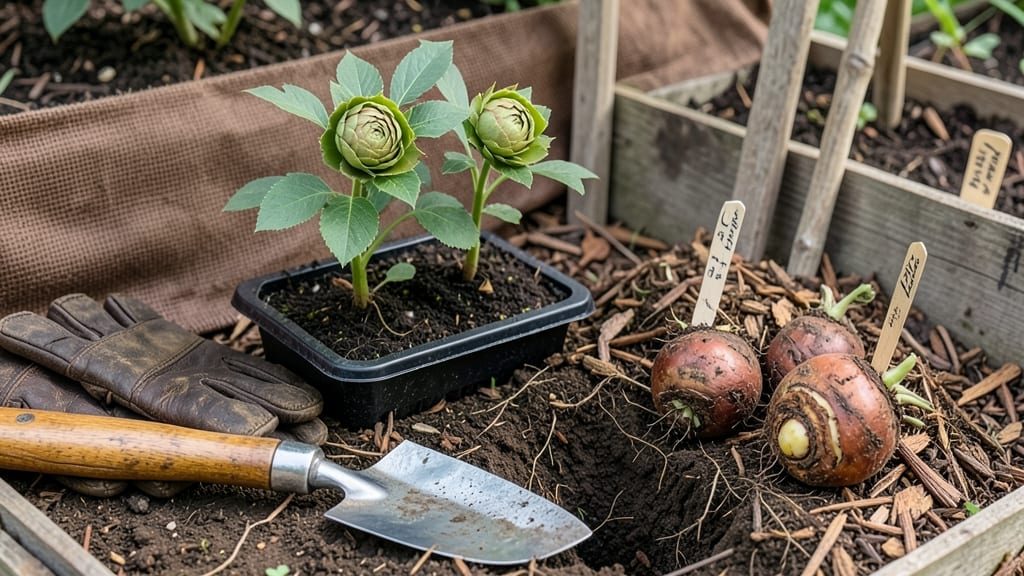
Planting dahlias too early in Zone 5 risks losing your stunning 🌸 blooms to late frost—so timing is everything. The key isn't just waiting for the last frost date but checking soil warmth first, since cold ground can stunt root growth and leave your tubers vulnerable.
Most gardeners in Zone 5 assume mid-May is safe, but without testing soil temperature, you might still face surprises. A simple thermometer check (aim for 55°F+ for 24+ hours) reveals when dahlias can finally go in without fear of frost damage.
Here's what you'll discover: the exact planting window for your region, how to prepare tubers for Zone 5's unpredictable spring, and why mulching matters more than you think. Let's get those dahlias thriving from their first frost-free moment.
Whether you're growing from tubers or seeds, these insights will help you avoid common mistakes and maximize your 🌸 season from July to October. Ready to transform your garden with bold, long-lasting blooms?
Zone 5 dahlias planting timeline: soil temperature rules for frost-free success
Dahlias in Zone 5 demand precision timing—plant too early, and frost will kill tender tubers; wait too long, and your blooms arrive late. The key lies in soil temperature, not just air temperature.
Dahlias need 55°F+ soil for 24+ hours before planting, signaling roots can establish safely. This rule trumps last frost dates, which only tell part of the story.
Zone 5 spans northern sub-zones (5a) with later springs (last frost: May 15) to southern sub-zones (5b) where soil warms earlier (last frost: April 20). A soil thermometer ($10 at garden centers) becomes your best friend—skip guessing and plant when the ground consistently hits 60°F+ at 4-inch depth.
Why soil temp matters more than air temp: Cold soil slows root growth, leaving dahlias vulnerable to late frosts (common in Zone 5). Tubers planted in chilly soil (below 55°F) rot or fail to sprout. Even if daytime air reaches 70°F, underground temps may still be 45°F—a recipe for disaster.
For northern Zone 5 (5a), aim to plant by June 1—any later, and your dahlias may not reach full bloom before first frost (mid-October). In southern Zone 5 (5b), you can start as early as April 15 if soil meets the 55°F threshold.
Pro tip: Use black plastic mulch 1–2 weeks before planting to warm soil faster in cooler zones.
If you’re chitting tubers indoors (placing eyeside-up in bright light), start 6–8 weeks before your target planting date. This jumpstarts growth, but never plant chitted tubers until soil is ready—transplanting shock will undo your progress.
For container dahlias, soil warms 2–3°F faster than in-ground beds, so adjust your timeline accordingly.
Watch for false springs—Zone 5’s hallmark. A 70°F day in April can fool you, but nights may still dip to 30°F. Use frost cloth or row covers for the first 2 weeks after planting to protect young shoots.
Remove covers by day to avoid overheating, but leave them at night.
After planting, mulch heavily with straw or shredded leaves to maintain soil warmth and moisture. Dahlias need consistent 60°F+ soil to thrive—mulch keeps temps stable even during Zone 5’s unpredictable weather swings.
Monitor soil temps weekly after planting; if they drop below 55°F, cover plants with burlap sacks until conditions improve.
For late bloomers, extend the season by planting tuberous begonia or cannas alongside dahlias—they’ll fill gaps if dahlias struggle. And remember: Zone 5 dahlias are annuals unless you dig and store tubers for next year.
With the right timing, you’ll enjoy 6–8 weeks of bloom time from mid-summer to frost.
🌱
How to prepare dahlias for Zone 5 planting: hardening off tubers and soil prep
Zone 5 gardeners face a unique challenge with dahlias—their short growing season and late spring frosts demand careful preparation. To ensure your tubers establish strong roots before summer heat arrives, follow these critical pre-planting steps.
Proper hardening and soil prep mean the difference between lush blooms and wilted disappointment.
Start by examining your dahlia tubers for signs of rot or damage. Healthy tubers should feel firm with visible "eyes" (growth points). Remove any soft or mushy areas with a clean knife, then let them air-dry for 1-2 days.
This prevents fungal issues when planting. For faster growth, consider chitting tubers indoors 4-6 weeks before your last frost date.
- Step 1: Soak Tubers – Place tubers in lukewarm water for 1-2 hours to rehydrate. This jumpstarts root growth before planting.
- Step 2: Chit Tubers (Optional) – Lay tubers on a tray with eyes facing up in a sunny window. Keep soil at 60-65°F for 4-6 weeks to encourage early sprouting.
- Step 3: Harden Off Sprouted Tubers – Move chitted tubers outdoors during the day (50-60°F) and bring them in at night for 5-7 days before final planting.
- Step 4: Test Soil Warmth – Use a soil thermometer to confirm soil is 55°F+ for 24+ hours. Zone 5’s soil warms slower than southern zones—wait for this signal!
- Step 5: Amend Soil – Mix in 3-4 inches of compost and sand or perlite for drainage. Dahlias hate soggy roots! Aim for pH 6.0-7.0.
- Step 6: Plant Deeply – Bury tubers 4-6 inches deep, with the topmost "eye" 2 inches below soil. Space large varieties 18-24 inches apart.
- Step 7: Mulch Heavily – Apply 4-6 inches of straw or shredded leaves to retain moisture and insulate roots from late spring frosts.
While preparing your tubers, focus on soil drainage—dahlias despise waterlogged conditions. Amend heavy clay soil with organic matter like compost or coconut coir to improve aeration. A raised bed is ideal for Zone 5 gardeners with poor drainage, as it warms faster in spring.
After planting, water deeply to settle the soil and encourage root contact. Avoid overhead watering, which can spread fungal diseases. Instead, use a soaker hose or drip irrigation to deliver moisture directly to the roots. This method also reduces evaporation in Zone 5’s often windy springs.
Pro tip: Mark your planting date on a calendar! Zone 5’s first frost typically arrives in mid-October, so dahlias need 120-150 frost-free days to mature.
Planting in early June gives you the best chance for a long bloom season. For extra insurance, choose early-blooming varieties like 'Café au Lait' or 'Bishop'.
With these steps, your dahlias will thrive despite Zone 5’s challenges, rewarding you with bold blooms from midsummer until frost. Happy planting! 🌸