
Plants
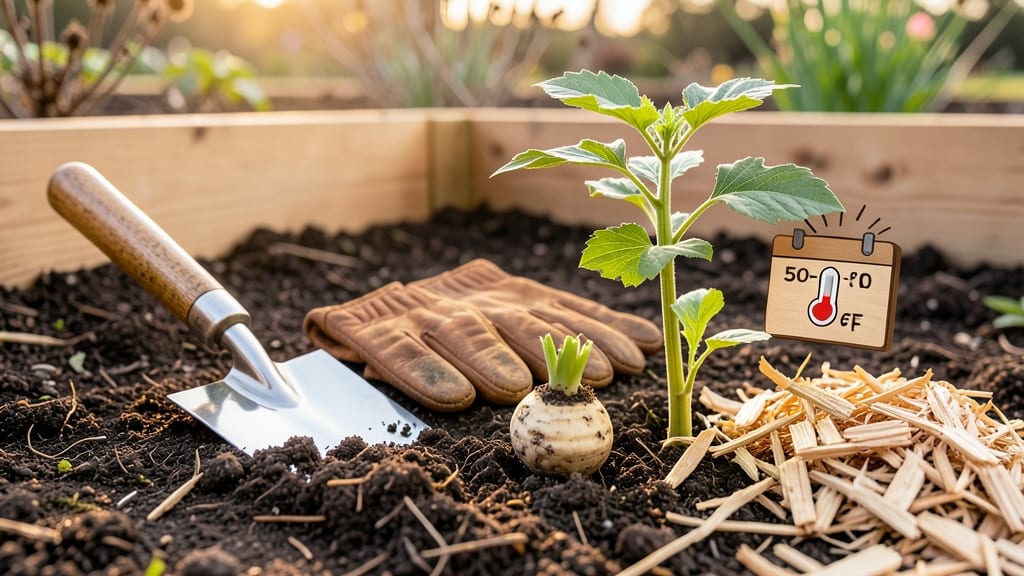
Planting dahlias in California isn’t one-size-fits-all—coastal fog, inland heat, and desert dryness all demand different timing. Get the schedule wrong, and your 🌼 dahlias might never bloom, or worse, rot before they even sprout.
The key? Knowing whether you’re in frost-free Zone 10 or a chillier inland valley where last frost lingers until January.
Most gardeners in California’s 8-10 zones start tubers indoors by February, but coastal areas like San Francisco can plant directly in garden beds as early as late March—when soil hits a steady 60°F.
Meanwhile, inland valleys wait until April to avoid late frosts, while desert regions like Palm Springs can even start in March for a head start on summer blooms.
You’ll also need to decide: seeds or tubers? Tubers are the faster route for California’s short growing season, but seeds give you more variety if you’re patient. Either way, soil prep is critical—whether you’re amending heavy clay in the Central Valley or protecting coastal dahlias from wind.
Ready to avoid the most common mistakes? I’ll walk you through the exact planting windows, soil checks, and care tips to ensure your dahlias thrive from summer through fall—no matter where you garden in California.
California dahlias planting calendar by climate Zone
California’s three distinct climate zones—coastal, Central Valley, and desert—each demand a unique approach to planting dahlias. The key? Timing based on soil temperature, frost-free dates, and heat tolerance.
Plant too early, and coastal frosts will kill your tubers; too late, and desert heat will stress them. Let’s break down the perfect schedule for each zone to ensure your dahlias thrive from summer through fall.
For coastal areas like San Francisco (USDA Zone 10), where fog delays warming, start tubers indoors in January and plant outdoors by late February. Inland Central Valley regions (Zone 9) can plant tubers directly in March once soil hits 60°F (15°C).
Meanwhile, desert zones like Palm Springs (Zone 8) should wait until April to avoid extreme heat stress on newly planted tubers.
Soil temperature is your best guide: Dahlias need 60°F (15°C) soil to sprout reliably. Use a soil thermometer to check—this is especially critical in desert regions, where daytime heat can spike while nighttime temps drop. Coastal gardeners should also watch for late frosts, which can occur as late as March in some areas.
Here’s how each zone compares for planting timing, frost risks, and ideal soil conditions:
In coastal zones, where winters are mild but summers are cool, dahlias can bloom from June through October. Start tubers indoors in January to give them a head start, then transplant after the last frost risk (usually by late February).
Use black plastic mulch to raise soil temperatures quickly—this is especially helpful in foggy areas where ground stays cool.
For the Central Valley, where March and April bring ideal planting conditions, focus on soil preparation. Amend heavy clay soils with compost or sand to improve drainage, as dahlias hate soggy roots.
Plant tubers 4-6 inches deep and space them 12-18 inches apart to allow airflow and reduce fungal risks like powdery mildew.
Desert regions require the most patience—wait until April to plant, when soil temperatures stabilize above 65°F (18°C). Here, afternoon shade is crucial to protect tubers from extreme heat. Consider planting near
How to prepare dahlias for California’s unique growing conditions
California’s microclimates demand extra prep work for dahlias. Unlike other plants, these tubers need specific soil conditions and protection from coastal winds or inland heat. Start by testing your soil pH—dahlias thrive in slightly acidic soil (6.0-7.0).
If your soil is too alkaline (common in inland areas), amend it with compost or peat moss before planting.
For coastal gardeners in zones like San Francisco, wind can stunt growth. Install a windbreak (like a trellis or tall fence) before planting. Inland areas, such as the Central Valley, face hot, dry summers, so mix organic mulch into the soil to retain moisture and regulate temperature.
🌱
⚠️ Critical Warning: Never Plant Dahlias in Cold Soil
Dahlia tubers rot if planted in soil below 60°F (15°C). Use a soil thermometer to check—wait until the ground warms consistently. In Zone 8 deserts, this could be as late as April, while Zone 10 coasts may be ready by February.
To give your dahlias a head start, chit your tubers indoors 4-6 weeks before outdoor planting. Place tubers in a tray with the eyes facing up, cover with 2 inches of potting mix, and keep in a bright, warm spot (65-70°F).
Sprouts should emerge in 2-3 weeks, signaling they’re ready for transplanting.
For container gardening, use large pots (at least 12 inches deep) with drainage holes. Fill with a mix of potting soil and compost to mimic well-draining garden beds.
Place containers in south-facing spots where they’ll receive full sun, but avoid afternoon heat in inland areas by providing light shade with a sheer cloth.
Finally, harden off indoor-grown tubers before planting. Gradually expose them to outdoor conditions over 7-10 days, moving them to a shaded, sheltered spot each day. This reduces shock and ensures stronger growth once planted in your garden.
With these steps, your dahlias will thrive whether you’re battling coastal fog or inland heat. The key is patience—rushing the process often leads to failed blooms, but proper prep guarantees stunning summer flowers.