
Plants
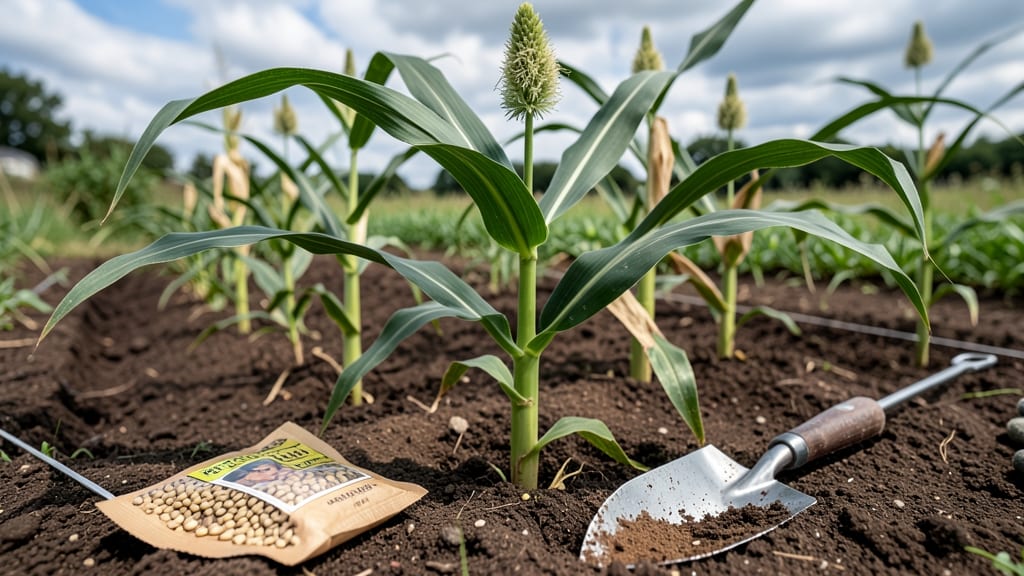
Timing your corn planting in Pennsylvania isn't just about the calendar—it's about outsmarting the 5b-7a zone's unpredictable spring shifts. Plant too early, and frost will nip your 🌽 seedlings before they take root; wait too long, and you risk stunted growth or pest attacks.
The sweet spot? Mid-April to early June, when soil warms past 60°F and last frost fears fade.
But here's the catch: Pennsylvania's microclimates mean your neighbor's perfect planting window might not work for you. Urban heat islands in Philly could shave weeks off your schedule compared to rural farmland in Erie.
I'll break down exactly how to read your local frost dates, soil temps, and even NOAA forecasts to pinpoint your ideal start date—no guesswork required.
You'll also discover which corn varieties thrive in your specific zone, from early-maturing sweet corn for cooler areas to heat-tolerant hybrids for southern PA's longer growing seasons.
Plus, I'll share my top tricks for warming cold soil faster and protecting young plants from late spring frosts—because even the best-laid plans need a backup.
Ready to grow 🌽 that stands taller than a basketball hoop? Let's dive into the exact planting windows, soil prep secrets, and post-planting care that'll have you harvesting plump ears from late July through October—no matter where in Pennsylvania you garden.
Pennsylvania corn planting zones by microclimate: exact start dates for optimal growth
Pennsylvania's USDA Hardiness Zones 4a-7a create dramatic differences in corn planting success. In Zone 4a (northwest PA), corn needs to wait until mid-May for soil to warm, while Zone 6b (southeast PA) can start as early as late April.
These timing differences prevent frost damage and ensure 60°F+ soil temperatures—critical for germination.
Urban gardeners in Philadelphia (Zone 7a) face different risks than rural farmers in Erie (Zone 5b). Heat islands in cities can push planting dates 1-2 weeks earlier, but also increase drought stress.
Always verify your last frost date—Penn State Extension reports April 15 as the average, but it varies yearly.
Here's how to match your location to the perfect planting window:
| USDA Zone | Location Examples | Ideal Planting Window | Soil Temp Threshold | Late Backup Date |
|---|---|---|---|---|
| 4a | Erie, Bradford | May 15-31 | 60°F+ | June 15 |
| 5a | State College, Williamsport | April 25-May 15 | 55°F+ | May 30 |
| 5b | Harrisburg, Scranton | April 15-May 1 | 50°F+ | May 15 |
| 6a | Lancaster, York | April 1-May 15 | 50°F+ | May 30 |
| 6b | Philadelphia, Reading | March 30-April 15 | 45°F+ | April 30 |
| 7a | Pittsburgh suburbs | March 20-April 10 | 45°F+ | April 20 |
For Zone 4a gardeners, consider using black plastic mulch to warm soil by 10-15°F—this can shift planting dates 2 weeks earlier. In Zone 6b, early plantings benefit from row covers to protect against late frosts that can kill young seedlings.
Remember: Corn needs 90-120 frost-free days to mature. In Zone 4a, opt for early-maturing varieties (60-70 days) like 'Early Sunglow' to avoid fall frosts. For Zone 6b, you can grow sweet corn and dent corn varieties simultaneously by staggering plantings.
Penn State's AgWeatherNet provides real-time soil temperature data—check it weekly starting in March. If your soil hasn't reached 50°F by your zone's ideal planting date, wait. Cold soil causes poor germination and seedling rot, problems that cost more than delayed planting.
Pro tip: Plant a test row 2 weeks before your ideal date. If seedlings emerge strong, you've found your perfect window. If not, adjust your timing and try again next year with this data in hand.
🌽
How to adjust corn planting timing for Pennsylvania’s unpredictable weather patterns
Pennsylvania’s spring weather can swing from freezing nights to unseasonable warmth in days. This volatility makes corn planting timing a high-stakes game—plant too early, and frost will kill seedlings; too late, and you’ll miss peak growing days.
My go-to strategy? Combine soil warming with NOAA forecasts to create a buffer against Mother Nature’s whims. Let’s break down how to outsmart PA’s erratic climate.
First, focus on soil temperature, not just air temperature. Corn seeds need 60°F+ soil to germinate, and cool, wet springs in PA often delay this. I’ve had years where April showers kept soil 10°F below the ideal mark for weeks.
Use a soil thermometer—it’s your best early-warning system. If temps hover around 50°F, your seeds may rot before sprouting.
Here’s where I adjust my timeline: I start seeds indoors in biodegradable pots 2-3 weeks before my target outdoor date. This gives me a head start if late frosts strike.
For direct sowing, I wait until mid-May at the latest in Zone 4a—any earlier risks black rot from lingering cold. In Zone 6b, I push to early April if soil warms quickly, but I’ve learned the hard way that rushing leads to stunted plants.
⚠️ CRITICAL MISTAKE: Planting Corn Too Early in PA
Zone 4a gardeners often plant in late April based on air temps, but soil stays cold longer. Seeds rot at 50°F or below, and even if they sprout, seedlings wilt from nighttime frosts. I’ve lost entire rows this way—wait for consistent 60°F+ soil (usually mid-May) to avoid this. For Zone 6b, planting after June 1 risks shortened growing season and underdeveloped ears.
To warm soil faster, I cover beds with black plastic mulch 1-2 weeks before planting. This raises soil temps by 5-10°F and suppresses weeds. For seedling protection, I use floating row covers (like Reemay) until plants hit 6 inches tall.
These block late frosts while letting sunlight through. Pro tip: Secure covers with bricks or stakes—PA winds can rip them away in a storm.
NOAA’s 7-day forecasts are my secret weapon. I check for frost warnings and heat waves—both can derail corn. If a cold snap is predicted after planting, I delay by 10 days or use hot caps (mini greenhouses for seedlings).
For drought risks, I prioritize drought-tolerant varieties like ‘Silver Queen’ and mulch heavily to retain moisture. Last year, a June heatwave dried out my soil, but my mulched rows stayed viable while nearby plants struggled.
Finally, avoid these common PA-specific pitfalls:
- Overcrowding from planting too densely—corn needs 12-18 inches between plants for airflow.
- Skipping soil tests—PA’s acidic soils (pH <6.0) stunt corn growth. Aim for 6.0-7.0 with lime if needed.
- Ignoring microclimates—urban areas like Philadelphia warm faster than rural Poconos. Adjust dates by 1-2 weeks accordingly.
With these tactics, I’ve doubled my corn yield in PA’s unpredictable climate. The key? Flexibility—stay ready to adjust dates, protect seedlings, and read the weather. Your corn will thank you with plump, sweet ears come harvest. 🌽